
Approximately 15 lakh domestic tourists visit Mussoorie between April and June every year, according to Uttarakhand Tourism estimates. Of those, the overwhelming majority spend their time in roughly the same 2-kilometre stretch of Mall Road, take a shared cab to Kempty Falls, stand in a queue for the cable car to Gun Hill, and leave feeling vaguely underwhelmed — wondering if the fuss was worth it. The answer, it turns out, depends entirely on which Mussoorie you actually visited.
There is a second Mussoorie. It does not appear prominently on most travel itineraries. It does not have a dedicated parking lot or a row of corn-on-the-cob vendors. But it is the version that residents of Dehradun drive up to on weekends, that writers have called home for decades, and that couples returning for their fifth or sixth visit describe as the reason they keep coming back.
The Common Belief: Mall Road Is the Heart of Mussoorie
Ask ten first-time visitors what Mussoorie means to them and the answer is almost always the same: Mall Road, Kempty Falls, the ropeway at Gun Hill, and perhaps a quick look at Lal Tibba. This is the Mussoorie that travel aggregators package, that OTA listings photograph, and that most hotel concierges recommend because they are convenient reference points. The logic is circular — these spots are famous because everyone goes, and everyone goes because they are famous.
The Mall Road experience, specifically, has been marketed as the definitive Mussoorie activity since the colonial era. It is a 1.5-kilometre paved promenade with shops, restaurants, and views of the Doon Valley. It is genuinely pleasant at 6 AM on a Tuesday in February. It is a slow-moving, shoulder-to-shoulder crowd simulation on any weekend in May.
Kempty Falls presents a similar story. At roughly 15 km from the main town, it was once a secluded cascade set in a pine gorge. Today, it has changing rooms, food stalls, and enough visitors on a summer Sunday that the water itself becomes difficult to see through the crowds. The journey to get there — a narrow road choked with tourist vehicles — can take 45 minutes to cover a 15-kilometre distance.
The Crack in the Postcard: What Repeat Visitors Start to Notice
The dissatisfaction surfaces predictably in travel forums and review threads. Visitors who loved their first Mussoorie trip and returned a few years later report a different experience — more traffic, more noise on Mall Road, and a sense that the hill station’s character has been gradually replaced by a uniform tourist-town texture that could exist anywhere.
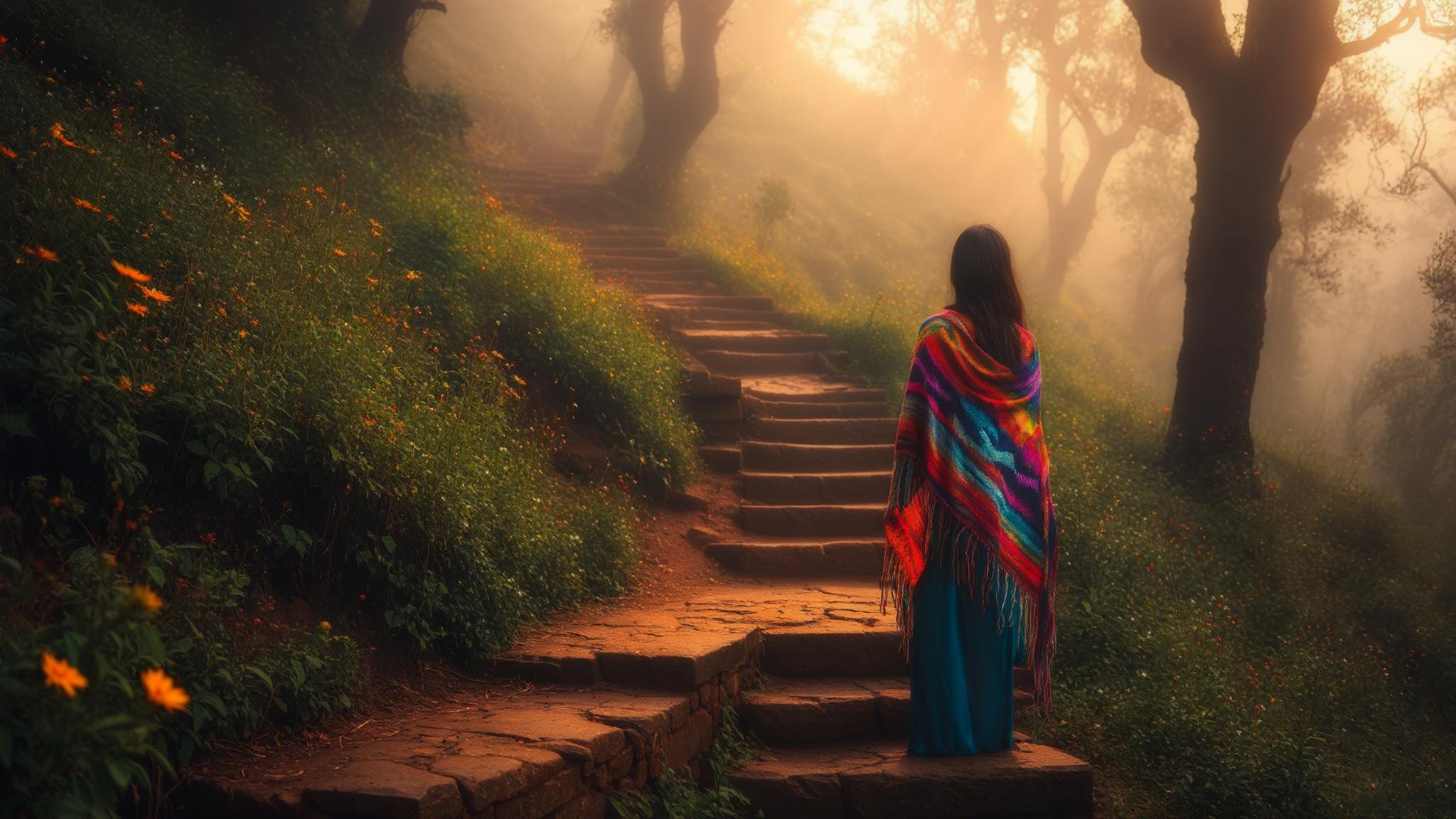
What these repeat visitors often stumble upon — sometimes by accident, sometimes on a local’s tip — is Landour. Technically a cantonment area adjacent to Mussoorie, Landour sits about 400 metres higher in elevation and roughly 3 kilometres east of the main market. It is quieter, cooler, and lined with stone-paved lanes, colonial-era cottages, and oak forests that genuinely smell like a mountain should.
The late Ruskin Bond, who lived in Landour for decades and whose writing put this neighbourhood on many readers’ mental maps, described it as a place where time moved differently. His home on Ivy Cottage became something of an informal pilgrimage spot for literary travelers — a very different kind of Mussoorie tourism that few package tours acknowledge.
The Evidence: Why the Tourist Circuit Misrepresents Mussoorie
The core problem is structural. Mussoorie’s tourist infrastructure was built to serve large volumes of visitors efficiently, which means funneling them toward spots with parking, ticketing, and vendor access. Landour has none of that. Benog Wildlife Sanctuary, located 11 km west of the main town, requires a short permit process and some willingness to walk. Mossy Falls, one of the most serene waterfalls in the region, sits behind a moderate forest trail. None of these are inaccessible — but they require slightly more intention than boarding a shared cab at the bus stand.
Benog Wildlife Sanctuary deserves particular mention. Covering roughly 239 hectares of oak and rhododendron forest, it is home to leopards, barking deer, and over 150 bird species including the Kalij pheasant. The sanctuary entry point is at Benog Hill, 11 km from the main bazaar, and is managed by the Uttarakhand Forest Department. Most tourists in Mussoorie have never heard of it.
The Real Mussoorie: A Practical Itinerary Built Around What Actually Works
Reorienting a Mussoorie trip away from the standard circuit does not require extreme effort. It requires arriving with a slightly different mental map and a willingness to walk more than 500 metres from your hotel. Here is what a better-structured two-night itinerary actually looks like.
On the question of accommodation, staying in Landour rather than on or near Mall Road changes the experience significantly. Rates in smaller guesthouses and homestays in Landour run between ₹1,200 and ₹2,500 per night in off-season, compared to ₹3,500–₹8,000 for equivalent comfort on Mall Road during peak months. The Uttarakhand Tourism portal lists several budget and mid-range options in the Landour cantonment area.
What This Means for How You Plan Your Next Mussoorie Trip
The practical takeaway is not that Mall Road or Kempty Falls are worth avoiding entirely — it is that treating them as the centerpiece of a Mussoorie trip almost guarantees disappointment. Mall Road at 6:30 AM on a clear winter morning, with the valley below filled with mist and the stalls still shuttered, is genuinely beautiful. The same road at 2 PM on a May Saturday is a different proposition altogether.
Mussoorie rewards travelers who understand it as a layered destination. The commercial centre serves its purpose. But the oak forests above Landour, the near-silence of the Camel’s Back Road before the town wakes up, the single-track paths inside Benog, and the frankly excellent coffee at a handful of quiet cafes tucked off the main drag — these are not secrets exactly, but they require choosing them deliberately.
- Best months to visit: February–March for clear skies and low crowds; October–November for post-monsoon greenery
- Avoid: Any weekend in May or June unless you have booked accommodation well in advance and have low tolerance thresholds for traffic
- Getting there: Dehradun is the nearest railhead (35 km, approximately ₹600–₹800 by cab); the nearest airport is Jolly Grant, Dehradun (60 km)
- Within Mussoorie: Shared vikrams (local three-wheelers) run the main route for ₹15–₹30 per ride; private autos for day trips run ₹400–₹800 depending on distance
- Landour access: No vehicles above a certain point in the cantonment — this is a feature, not a flaw
The hill station that most visitors leave disappointed by is real. So is the one that people return to every year and describe in terms that sound slightly too good to be accurate. They are the same place. The difference is entirely in where you point your attention.