
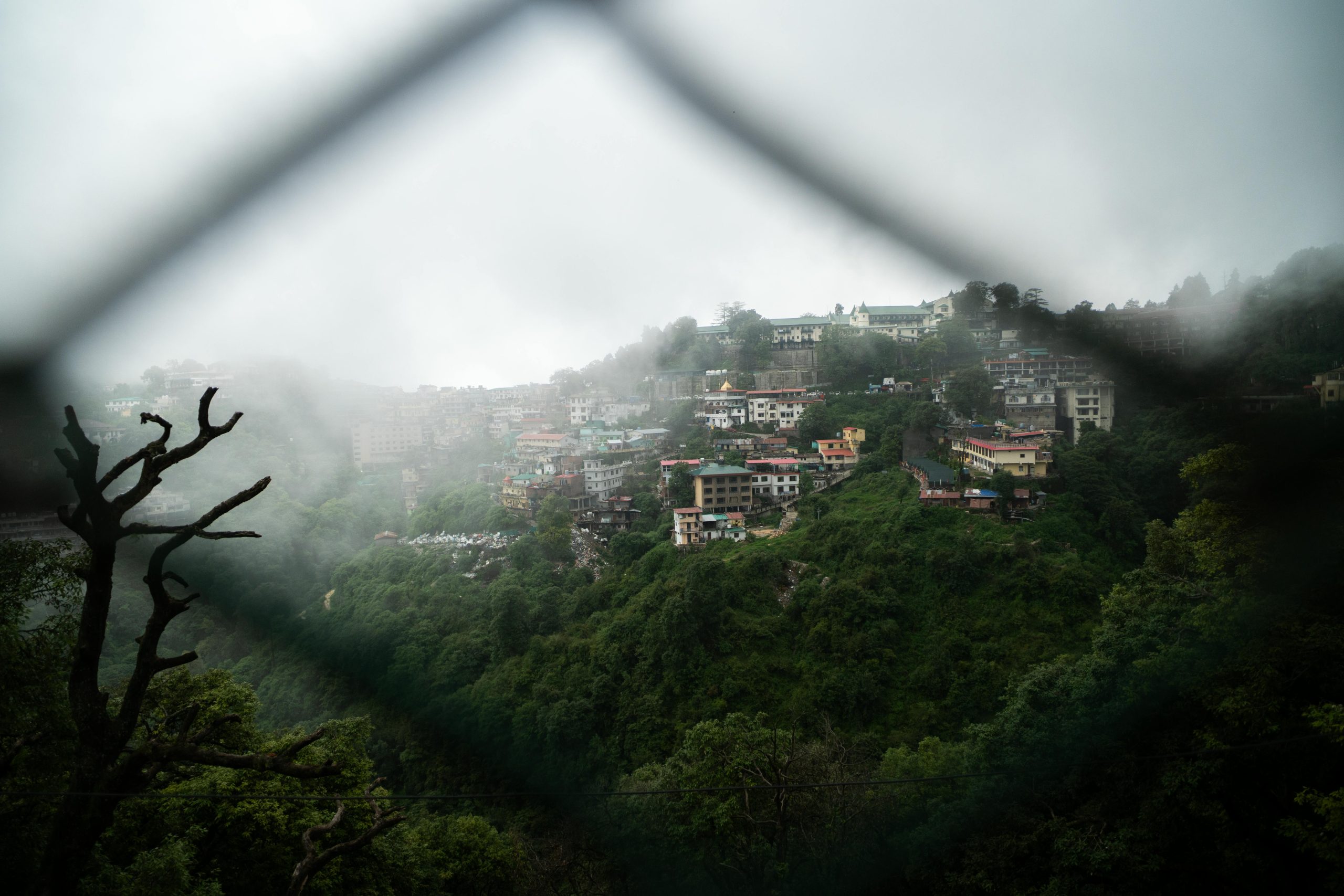
Priya and her husband booked their Mussoorie trip eight months in advance. They chose the last week of May — school was out, the Delhi heat was unbearable, and every travel blog they read said summer was the season for Mussoorie. What they got instead was a four-hour traffic crawl from Dehradun, a hotel room that smelled of damp walls despite costing ₹7,500 a night, and a Mall Road so crowded they couldn’t hear each other speak. They left two days early.
Their experience is not unusual. It is, in fact, the default Mussoorie summer story — and it keeps repeating because the advice that sends travelers there in peak season is decades out of date.
The Belief That Fills Mussoorie Every May
The idea that summer is Mussoorie’s prime season made sense once. Before mass car ownership, before the Yamuna Expressway, before every middle-class family in North India had a four-wheeler and a three-day weekend, May and June in Mussoorie were genuinely peaceful. The hill station was an escape for a relatively small number of families from Delhi and nearby cities.
That calculus has completely changed. Mussoorie now receives roughly 20 to 25 lakh visitors annually, with the largest share arriving between April and June. The infrastructure — a single mountain road connecting Dehradun to the ridge — has not scaled with that demand. Neither have the town’s water supply, waste management systems, or parking capacity.
Travel platforms still default to summer recommendations because that is when search volume spikes, not because the experience is good. The result is a self-reinforcing cycle: everyone goes in summer because they read they should, and every article confirms summer as the season because that is when everyone goes.
What Actually Happens on Mall Road in June
Mall Road is Mussoorie’s central artery — a 1.5-kilometre pedestrian stretch lined with shops, cafes, and viewpoints. In October, it is genuinely pleasant to walk. You can stop for a plate of Maggi at a dhaba, look out over the Doon Valley with some visibility, and hear the wind in the oak trees. In June, it is a slow-moving crowd management problem.
The Dehradun-Mussoorie road regularly sees 8 to 12 kilometre traffic jams on weekends between April and July. The Uttarakhand Tourism Development Board has documented this in public reports, and local administrations have periodically attempted odd-even vehicle restrictions that rarely hold. Visitors who book the trip without accounting for this lose two to three hours of each day just getting in and out of town.
Kempty Falls, the most-visited waterfall near Mussoorie at roughly 15 kilometres from Mall Road, becomes nearly inaccessible on peak-season weekends. What should be a 25-minute drive becomes a 90-minute ordeal, and the falls themselves are surrounded by hundreds of visitors at any given moment. The natural experience people come for is largely absent.
The Real Mussoorie That Locals Experience
Ask anyone who lives in Mussoorie or Dehradun when they take guests up to the ridge, and the answer is almost always October, November, or late February. These are the months that deliver everything the summer brochures promise but rarely provide.
October and November bring clear skies, temperatures between 8°C and 18°C, and a complete absence of the summer rush. Lal Tibba — Mussoorie’s highest point at 2,275 metres — offers unobstructed Himalayan views including Bandarpunch and Swargarohini peaks on clear mornings. The same view is almost always obscured by haze during summer months.
The monsoon period, July through mid-September, is a different kind of rewarding. Mussoorie receives heavy rainfall during these months, which means waterfalls are at peak flow, the forests turn a deep green, and the town empties of most tourists. Hotels drop prices significantly, some by 50 to 60 percent from peak rates. The trade-off is occasional road closures due to landslides and the need for rain gear — but for travelers who prepare, it is genuinely one of the most atmospheric times to visit.
What This Means for Planning Your Trip
The practical shift is not complicated, but it requires ignoring the instinct to follow school holiday calendars. If you can travel in October or November, budget for a three-night trip and you will spend considerably less than a two-night trip in peak season at comparable quality.
For a mid-range three-night October trip for two people, realistic costs look like this: ₹2,500–₹4,000 per night for a decent hotel with valley views, ₹800–₹1,200 per day on food (sit-down meals at mid-range restaurants), ₹600–₹900 for shared cabs or local auto-rickshaws between attractions, and entry fees totalling approximately ₹200–₹400 for Gun Hill ropeway and Company Garden. Total for two people over three nights: roughly ₹12,000–₹16,000, including travel from Dehradun.
There are specific logistics worth noting for off-season trips. The ropeway to Gun Hill (500 metres, great views toward Dehradun and Doon Valley) operates year-round and costs approximately ₹150 per person for a return ride. Lal Tibba is a short drive or 45-minute walk from Library Point and is free to access — it is consistently the best viewpoint in Mussoorie on clear October mornings. Camel’s Back Road, a 3-kilometre loop popular for morning walks, is genuinely enjoyable when it is not shared with hundreds of other walkers.
For families with school-age children who have no choice but to travel in May or June, the advice shifts slightly. Book at least two months in advance. Stay mid-week if possible — Friday to Sunday traffic is dramatically worse than Monday to Wednesday. Choose a hotel above Library Bazaar rather than on or near Mall Road to avoid the worst of the noise and crowds. And build travel buffer time into every day, because the mountain road will take longer than any map application estimates.
Mussoorie is a genuinely beautiful place. The ridge views, the colonial-era architecture on Camel’s Back Road, the small Tibetan market near Happy Valley, the rhododendron forests on the trails toward Benog Wildlife Sanctuary — none of these go away in the off-season. They just become accessible without the scaffolding of crowds and inflated costs built around them.
The hill station that most travelers describe when they say they love Mussoorie is the October version, the February version, the misty monsoon version. It is rarely the June version they actually experienced. Timing, far more than budget or accommodation choice, determines whether Mussoorie feels like the escape it is supposed to be.