
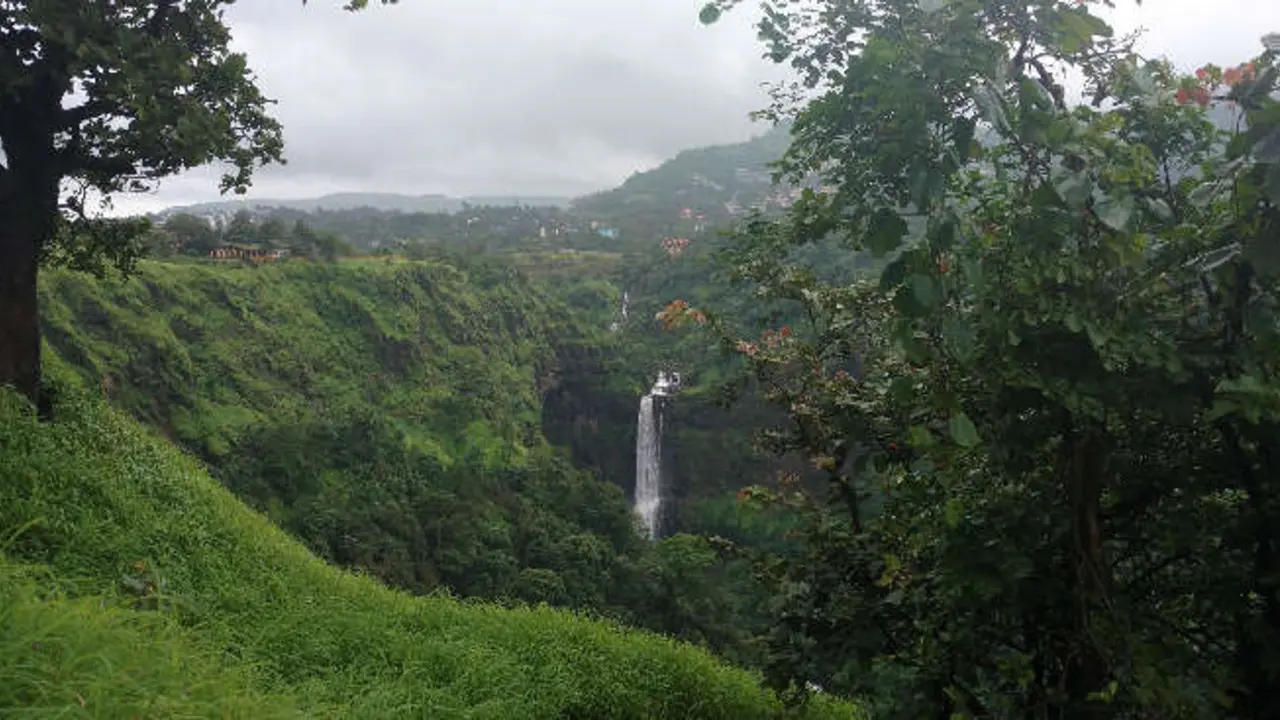
Have you ever stood in a crowd at Kempty Falls, elbow-to-elbow with a hundred strangers, and wondered if this is really what the Garhwal hills have to offer? Mussoorie draws over a million visitors every season, and almost all of them funnel into the same two or three spots. Meanwhile, a handful of waterfalls within a short drive sit completely ignored, visited by almost nobody.
This isn’t about keeping secrets. It’s about knowing where to look. These falls aren’t unmarked on maps or locked behind restricted forest permits. They’re simply off the beaten path that tour operators bother to sell.
Why Kempty Gets All the Attention (And Why That’s a Problem)
Kempty Falls became famous partly because of its road access. A paved road, a parking lot, and a row of changing rooms made it easy to package and sell. That convenience turned it into Mussoorie’s most visited natural attraction, with vendors, crowds, and noise that can make it feel less like a waterfall and more like a water park.
Roughly 80 percent of tourists visiting Mussoorie never travel more than 5 kilometres from Mall Road. That single fact explains everything. The hills beyond that radius hold waterfalls that see perhaps a dozen visitors on a busy weekend. Some see none at all on weekdays in the off-season.
The trade-off is real. Reaching these places requires effort: a short trek, a local guide in some cases, or at minimum a willingness to leave your car behind. But the payoff, a waterfall you might have entirely to yourself, is worth every extra minute of travel.
Comparing the Lesser-Known Waterfalls at a Glance
| Waterfall | Distance from Mussoorie | Trek Required | Best Season | Crowd Level |
|---|---|---|---|---|
| Jharipani Falls | ~7 km | 1.5 km walk | July–September | Very Low |
| Mossy Falls | ~7 km | 2 km forest trail | June–October | Very Low |
| Bhatta Falls | ~11 km | Minimal | July–August | Low–Moderate |
| Benog Hill Cascade | ~10 km | 3 km forest trek | August–September | Extremely Low |
| Kempty Falls (reference) | ~15 km | None | Year-round | Very High |
The Waterfalls Worth the Extra Effort
Jharipani Falls
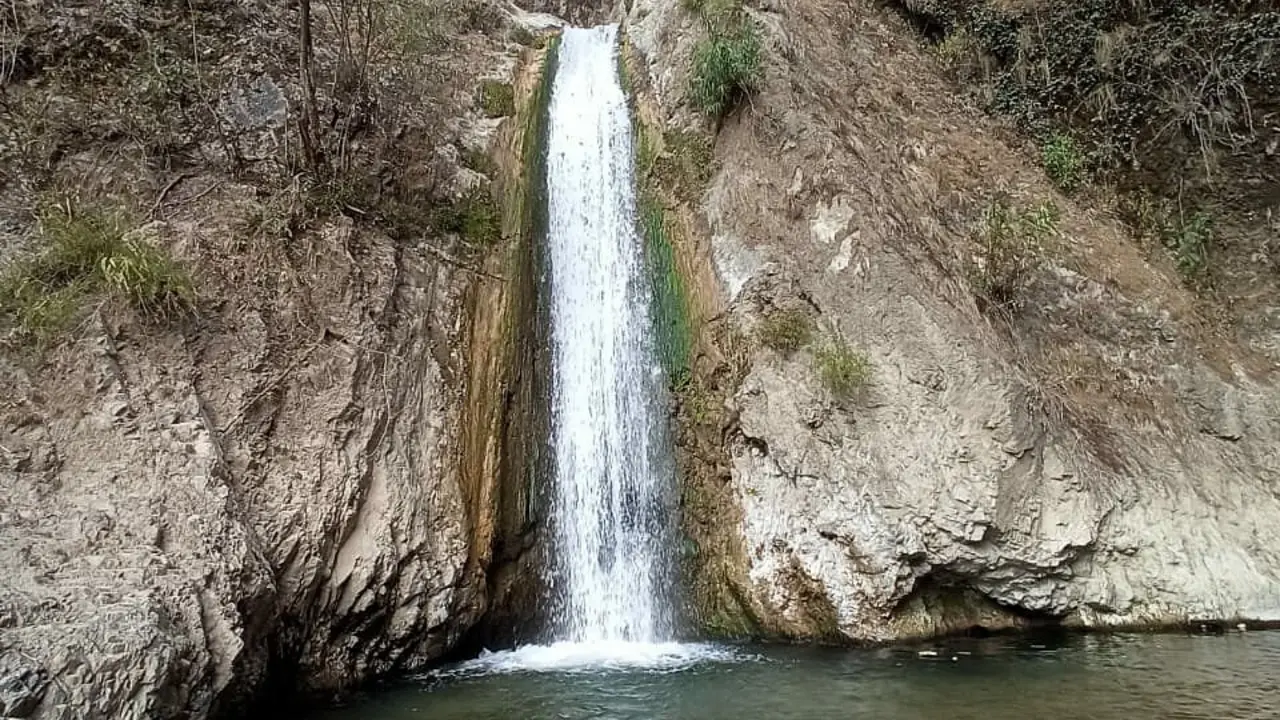
Jharipani village sits about 7 kilometres from Mussoorie on the Dehradun road, and most people drive straight past it. A 1.5-kilometre walking trail from the Jharipani Forest Rest House leads down through oak and rhododendron forest to a tiered cascade that drops roughly 30 metres into a rocky pool below.
During peak monsoon, the volume of water turns the falls into something genuinely impressive. Outside that window, it becomes a quieter, gentler stream. Either way, you’ll likely have the place to yourself.
Shared taxis from Mussoorie’s Library Bus Stand reach Jharipani for approximately ₹30–40 per person. From the village, ask any local to point you toward the forest trail.
There’s no entry fee. No ticket counter. Just a trail and a waterfall. Carry your own water and snacks because there are no vendors on the route.
Mossy Falls
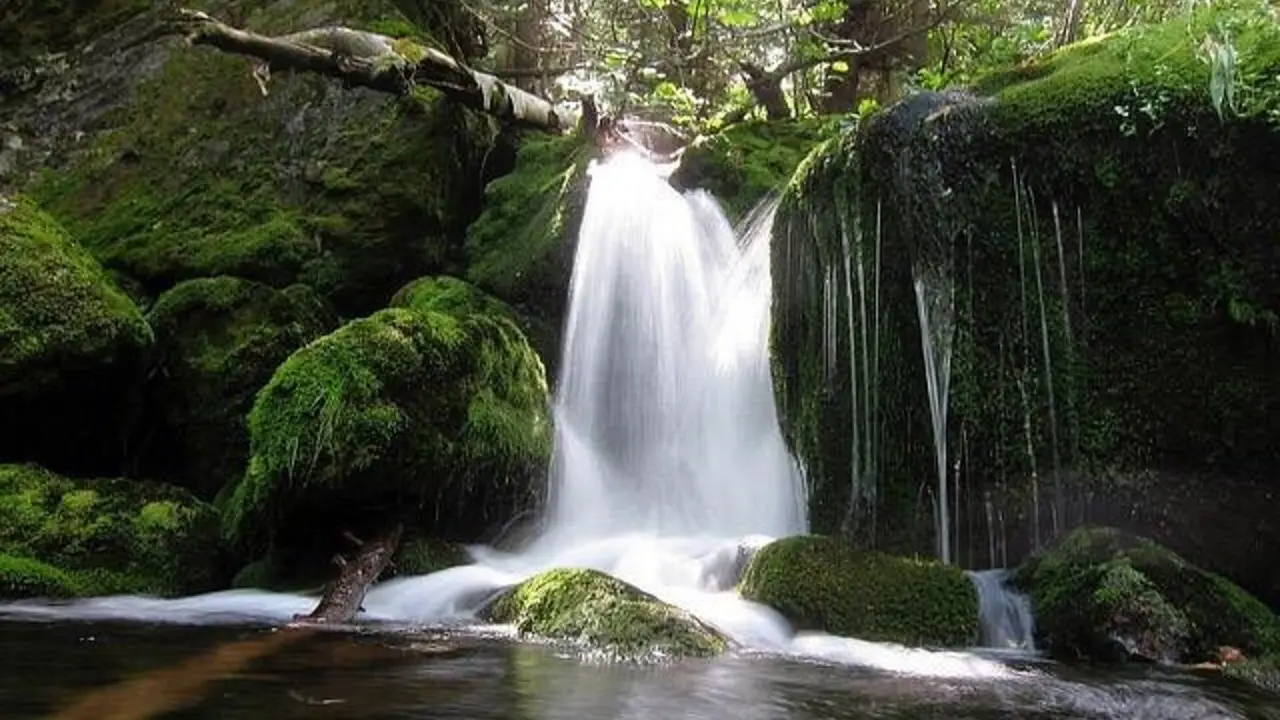
About 7 kilometres from Mussoorie near the Barlowganj area, Mossy Falls earns its name. A 2-kilometre trail through dense mixed forest leads to a fall draped in thick green moss, surrounded by ferns and the sound of nothing except water and birds.
This is arguably the most photogenic of the lesser-known falls near Mussoorie, yet it sees a fraction of the visitors that Kempty does. Locals in Barlowganj know it well. A quick conversation with anyone near the Barlowganj market will get you pointed in the right direction. The trail is not always clearly marked, so hiring a local guide for ₹200–300 is a reasonable investment for first-time visitors.
Reach Barlowganj by shared taxi from Mussoorie (approximately ₹25–30) or by private cab. The best light for photography falls in the morning hours before noon. Wear shoes with grip; the moss-covered rocks near the base are slippery even when dry.
Bhatta Falls
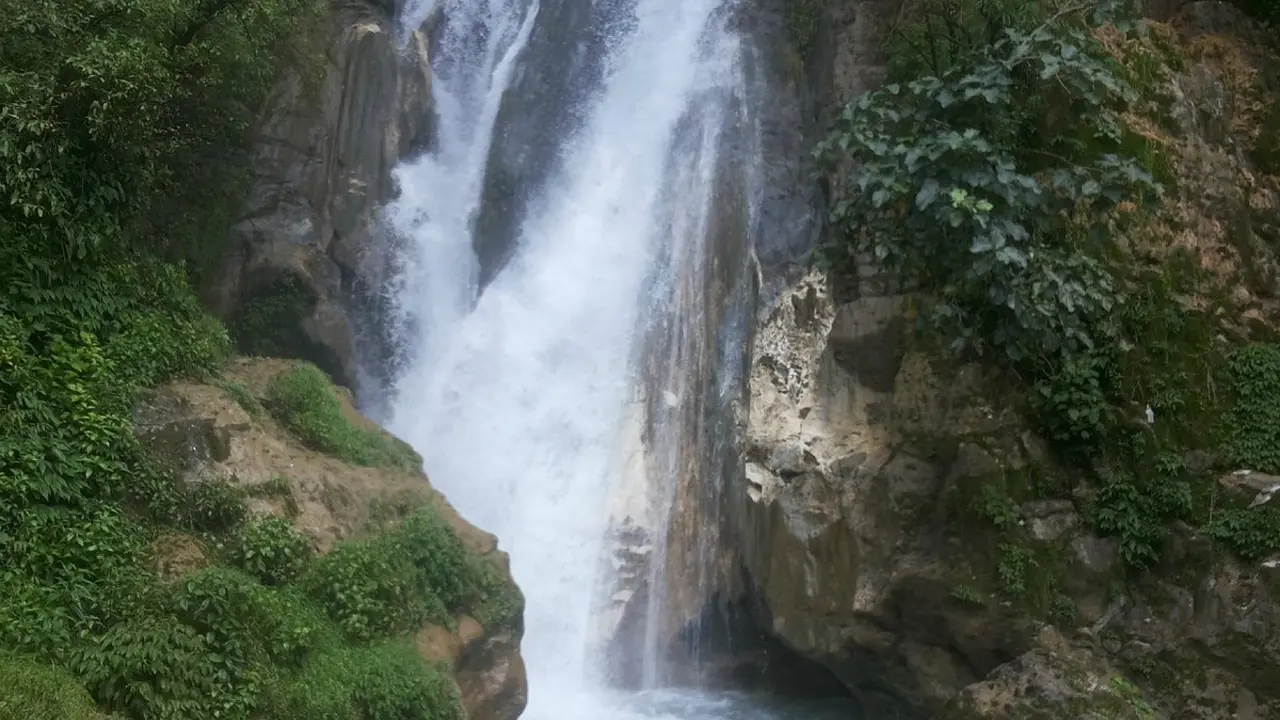
Located about 11 kilometres from Mussoorie near Bhatta village on the Mussoorie-Dehradun road, Bhatta Falls is the most accessible of the lesser-known options. A short walk from the road leads to a multi-step cascade that’s particularly strong in July and August.
Unlike Jharipani and Mossy, Bhatta does get some local visitors on weekends. But compare it to Kempty and it’s practically deserted. There’s a small tea stall nearby during the monsoon months, which is about the extent of the commercial presence.
Entry is free. Parking is available along the roadside for those coming by private vehicle.
For directions, search Google Maps for “Bhatta Falls Mussoorie” and you’ll find it pinned accurately. From the Mussoorie bus stand, shared taxis toward Dehradun pass through this route.
Benog Hill Cascade
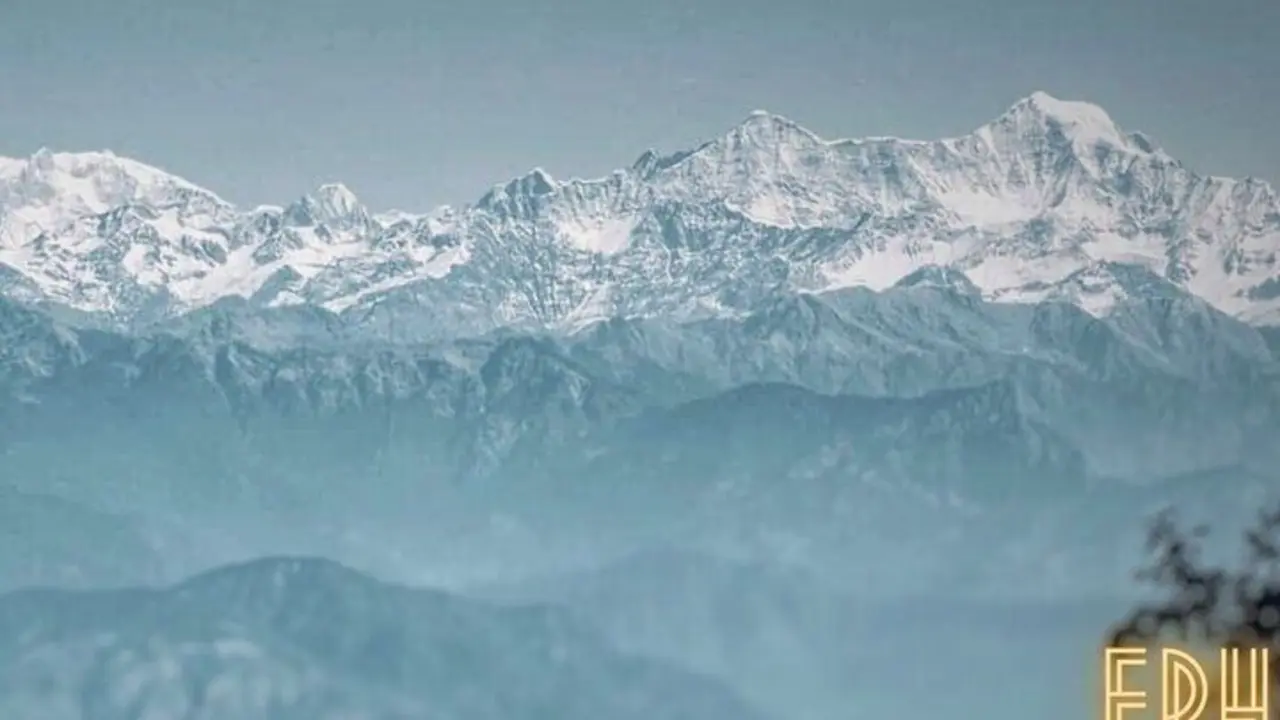
This one requires the most effort and rewards accordingly. Benog Hill, about 10 kilometres west of Mussoorie, is known primarily for the Benog Wildlife Sanctuary and its birdwatching. What fewer people know is that a seasonal cascade appears on the hill’s eastern slope during heavy monsoon months.
Reaching it involves a 3-kilometre forest trek from the Benog Hill parking area. The Uttarakhand Tourism website lists the sanctuary’s basic details, but the cascade itself isn’t formally documented as a tourist site. That’s precisely what keeps it quiet. A forest guard or local trekking guide from Mussoorie can lead you there for approximately ₹400–600 for a half-day trip.
This is strictly a monsoon-season phenomenon. By October, the water reduces to a trickle. Go in August for the best experience. Carry rain gear, as the forest canopy provides limited shelter during sudden showers.
Planning Your Visit: Practical Details
Getting to any of these falls is straightforward if you plan ahead. Mussoorie has a reliable network of shared taxis and local auto-rickshaws for shorter distances. For the more remote options like Benog Hill, hiring a private cab from the taxi stand near Gandhi Chowk is the most practical approach. Rates for a half-day private cab run approximately ₹800–1,200 depending on distance and negotiation.
Consider these practical points before you go:
- Carry at least 1.5 litres of water per person; most trails have no vendor access
- Wear closed-toe shoes with rubber soles; sandals are unsuitable for any of these trails
- Start early, ideally by 8 AM, to avoid afternoon cloud cover and potential rain
- Inform your hotel or guesthouse of your plans; mobile signal is patchy on most of these trails
- Check with the GMVN office in Mussoorie for current trail conditions during heavy monsoon periods
None of these waterfalls require advance permits for casual day visitors. Benog Wildlife Sanctuary has a nominal entry fee of approximately ₹50–100 per person, as of recent visits. Prices and policies can change, so confirm locally on arrival.
Monsoon travel in the Garhwal hills carries real risk. Landslides and flash floods are not hypothetical. Check weather forecasts the morning of your visit and turn back without hesitation if conditions deteriorate. No waterfall photograph is worth a dangerous situation on a slippery hill trail.
Mussoorie has more to offer than its most photographed corners suggest. These four waterfalls exist within easy reach of the main town, ask nothing more than a bit of initiative, and deliver the kind of quiet, unmediated encounter with the hills that most visitors come here hoping for but rarely find. All it takes is the willingness to drive a few kilometres past the crowd.
Frequently Asked Questions