
Priya and her husband arrived at Mussoorie bus stand on a Friday evening in May, bags in hand, expecting cool mountain air and a leisurely stroll. What greeted them instead was a gridlock of honking cars stretching from the Library Chowk all the way to Picture Palace, vendors hawking corn on every corner, and hotel lobbies packed three-deep at the reception desk. By Saturday morning, they had both quietly agreed — this was not the trip the Instagram reels had promised.
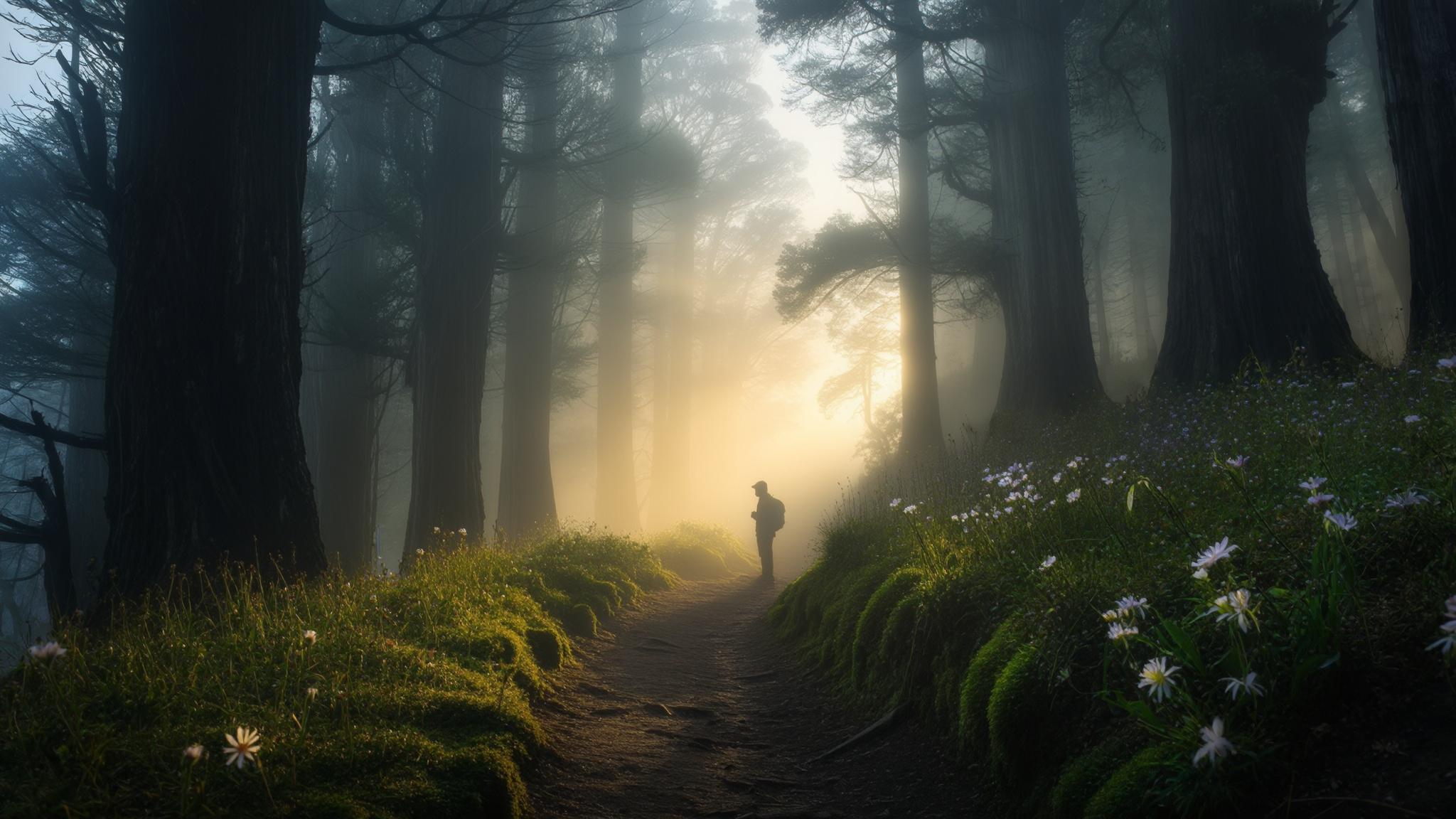
Their story is not unusual. Mussoorie draws roughly 30 lakh visitors annually, and a significant share of them arrive with a narrow, Mall Road-centric vision of what the hill station offers. The real Mussoorie — the one with fog-drenched deodar forests, colonial-era cemeteries, and ridge walks where you might not see another soul for an hour — takes a little more intention to find.
The Honest Geography of Mussoorie: What the Map Doesn’t Tell You
Mussoorie sits at an elevation of approximately 2,005 metres above sea level in the Garhwal Himalayan range of Uttarakhand, about 35 kilometres from Dehradun. The town is not a single point on a hill — it is a long, winding ridge roughly 15 kilometres end to end, stretching from Barlowganj in the west to Jwalapur in the east, with the popular Library-to-Landour stretch forming the commercial and social spine.
This linear geography means your experience varies dramatically based on where you choose to stay. The western end around Library Chowk is flat, accessible, and extremely crowded during peak season. The eastern end near Landour Cantonment, a separate municipal area that technically sits higher at around 2,270 metres, is quieter, architecturally richer, and populated more by artists, writers, and long-term residents than by weekend tourists.
Getting here is straightforward from Delhi: the Dehradun Shatabdi Express departs Hazrat Nizamuddin at 6:45 AM and reaches Dehradun by approximately 11:30 AM, after which shared taxis and Uttarakhand Roadways buses cover the remaining 35 km in 60–90 minutes depending on traffic. Private cabs from Dehradun railway station run ₹700–₹1,100 for the full car.
Season by Season: When to Go and What You Are Actually Getting
The single most impactful travel decision for Mussoorie is timing. Each season delivers a genuinely different destination, and none of them is strictly better — they are simply suited to different kinds of travelers.
October and November are broadly considered the sweet spot by repeat visitors. The monsoon has cleared, temperatures hover between 8°C and 18°C, and the Himalayan range from Kedarnath to Bandarpunch becomes sharply visible from viewpoints like Lal Tibba — Mussoorie’s highest accessible point at 2,275 metres — on clear mornings.
The Actual Costs: A Realistic Budget for 3 Days in Mussoorie
Travel content about Mussoorie tends to exist at two unhelpful extremes — either luxury resort packages priced at ₹15,000 per night, or suspiciously vague claims that the whole trip can be done for ₹500. The reality, for a mid-range domestic traveler in 2026, sits squarely in between.
Transport within Mussoorie adds up faster than most visitors expect. The town bans private four-wheelers on Mall Road during peak hours, which means you will rely on shared e-rickshaws (₹15–₹30 per ride), private cabs (₹300–₹500 for a half-day), or your own feet. Renting a cycle is possible near Library Chowk for approximately ₹100 per hour, though the steep gradients make this practical only for the flat central stretch.
- Kempty Falls entry: ₹50 per person (plus ropeway if desired, ₹150–₹200 return)
- Gun Hill ropeway: ₹150 per person return
- Lal Tibba observation point: Free access on foot; telescope use approximately ₹30
- Camel’s Back Road walk: Completely free; 3 km loop from Library Chowk
- George Everest Estate entry: ₹50 per person; 6 km from Library Chowk
A realistic 3-day budget for two people — including return train from Delhi, mid-range accommodation, meals, and key attractions — lands at approximately ₹14,000–₹18,000 total in the off-season, and ₹22,000–₹30,000 during peak May–June. These are working figures, not guarantees.
The Places Most Visitors Walk Past Without Noticing
The Landour Clocktower area, roughly 4 kilometres from the main Mussoorie bazaar, is where the hill station’s quieter identity lives. The Char Dukan — literally “four shops” — is a row of four small establishments at the top of Landour that have served tea, Maggi, and conversation to everyone from Ruskin Bond (who has lived in Landour for decades) to trekkers returning from the upper ridges. It is not glamorous. It is genuinely good.
The Camelback Road — properly called Camel’s Back Road — is a 3-kilometre walking path that curves along the ridge behind the main bazaar and offers some of the best valley views in town without requiring a ropeway ticket or a cab. Early mornings, especially between 6 AM and 8 AM, the road is near-empty and the light on the Doon Valley below is worth any early alarm.
The Everest House (also called Park Estate) at about 6 kilometres from Library Chowk is the former residence of Sir George Everest, the surveyor after whom the world’s highest mountain is named. The property is managed by the Archaeological Survey of India, and while the building itself is partially ruined, the approach walk through oak and rhododendron forest and the 270-degree panoramic view from the promontory are among the most rewarding 90 minutes you can spend in the area.
What the Next Few Years Could Change About Mussoorie
Mussoorie’s infrastructure has been under sustained pressure for several years. The Uttarakhand government has discussed a ropeway project connecting Dehradun directly to Mussoorie — a proposal that has been in planning stages for over a decade and, as of early 2026, remains pending final environmental clearances. If it proceeds, it would significantly alter the accessibility and crowd dynamics of the town, particularly during peak season.
The Mussoorie Smart City proposal, which includes plans for improved pedestrian infrastructure, better waste management on the ridge, and regulated parking zones on the approach road, has seen partial implementation. The e-rickshaw fleet has expanded noticeably since 2023, reducing some of the diesel vehicle congestion on Mall Road during pedestrian hours.
For travelers planning a trip in the next 12–18 months, the most practical consideration is that accommodation pricing has risen approximately 15–20% since 2023 across mid-range properties according to hospitality tracking data, while food costs remain relatively stable. Booking accommodation at least 3–4 weeks ahead for any May or October visit is no longer cautious — it is necessary.
Mussoorie will not stop being popular. That is simply not the trajectory any hill station near Delhi is on in 2026. But the difference between a trip that feels crowded and transactional and one that feels genuinely restorative is mostly a matter of geography — where on the ridge you sleep, how early you rise, and whether you resist the pull of the obvious. The Queen of Hills is still there. You just have to look slightly past the souvenir stalls to find her.