
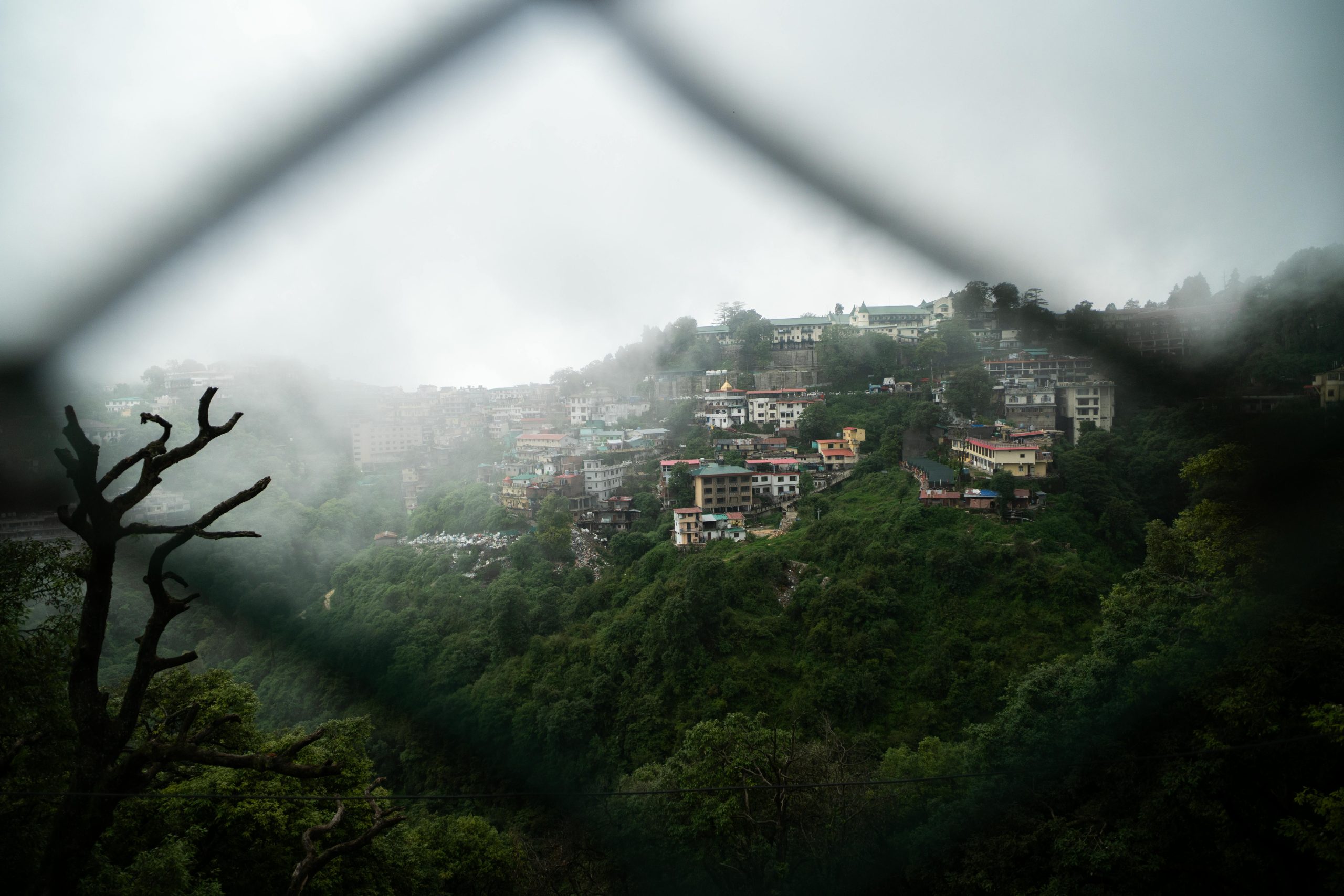
Over 1.5 million tourists visit Mussoorie every year — and the vast majority of them see roughly the same 2 kilometres of Mall Road, ride the Gun Hill ropeway once, and spend three times what they need to on overpriced hotels they booked in a panic. The Queen of Hill Stations has been receiving visitors since the British established it as a retreat in 1823, and in that time, a very efficient tourist conveyor belt has developed that funnels people through the same six stops, charges peak prices for average experiences, and sends them home slightly disappointed.
That conveyor belt is entirely optional. Mussoorie has another side — quieter, cheaper, more rewarding — and most people drive right past it on the way to the same crowded viewpoints. This guide is about that other side, and about planning a trip that actually matches the hill station’s real potential.
Why Mussoorie Works — and Where Most Trips Go Wrong
Mussoorie works as a destination because the geography is genuinely spectacular. The town sits on a ridge of the lower Himalayas, with the Doon Valley dropping away to the south and a wall of higher Himalayan peaks visible to the north on clear days. Sunrises here, when the snow-capped ranges catch the first light, are legitimately among the best in Uttarakhand without requiring a trek or an alpine permit.
Where trips go wrong is in the planning logic. Most visitors arrive on a Friday evening after a traffic-heavy drive, check into the first hotel they spot near Library Chowk, spend Saturday on Mall Road buying fridge magnets, and leave Sunday morning complaining about crowds. The crowds are real — Mussoorie receives a significant surge between May and June when Delhi families escape the heat — but they are almost entirely concentrated in a predictable geography.
The solution is not to avoid Mussoorie during popular periods — the weather in May is genuinely excellent. The solution is to stay slightly away from the central cluster, explore on foot rather than by car, and build your itinerary around the parts of the ridge that see a fraction of the footfall.
Landour: The Town Above the Town
Landour is the single most undervisited significant attraction in the entire Mussoorie area. It sits at approximately 2,275 metres — about 270 metres above Mussoorie proper — and is technically a separate cantonment area, which means it has retained a character that Mussoorie’s main strip lost decades ago.
The most famous resident of Landour is author Ruskin Bond, who has lived here for over five decades. His presence has made Landour a quiet literary pilgrimage spot, and the small bookshop near Char Dukan (the four-shop corner that serves as the neighbourhood’s social hub) stocks his work alongside other Indian writing. The chai and Maggi at Char Dukan have achieved a kind of legendary status — not because they are extraordinary, but because the setting is: a narrow lane, oak trees overhead, the valley visible in the gaps between buildings.
The Landour Loop is a walking circuit of roughly 5 kilometres that takes you around the ridge through colonial-era architecture, a functioning church, a small bazaar, and viewpoints that see almost no tourist traffic. Lal Tibba — the highest point accessible in the Mussoorie-Landour area at 2,275 metres — sits at the end of this loop and provides, on clear winter and early spring mornings, a panoramic view of Bandarpunch, Srikantha, Gangotri, and Kedarnath peaks. There is no entry fee. There is rarely a crowd.
The Real Costs: What a Mussoorie Trip Actually Looks Like in 2026
Mussoorie’s pricing range is enormous, and the gap between a badly-planned trip and a well-planned one is significant in rupee terms. Here is an honest breakdown of what two people should expect to spend across budget, mid-range, and comfortable categories.
The single biggest cost lever in Mussoorie is accommodation location. Hotels within 500 metres of Mall Road charge a significant premium purely for proximity. Moving your base 1–2 kilometres toward Kulri or toward the Landour side of the ridge can cut accommodation costs by 30–40% while often improving the view from your window.
The Seasonal Truth: When Mussoorie Is Actually Worth Visiting
Mussoorie has four genuinely distinct seasons, and each serves a different type of traveller. The standard advice — “visit in summer to escape Delhi’s heat” — is correct but incomplete, because it also describes what approximately 800,000 other people are doing simultaneously.
- March to mid-June: The most popular window. Temperatures sit between 10°C and 25°C, rhododendrons bloom through April, and visibility for Himalayan views is best in the early morning before haze builds. Crowds peak in May half-term and June school holidays.
- July to mid-September (Monsoon): Mussoorie receives heavy rainfall — roughly 2,000mm annually — and landslides occasionally affect the approach roads from Dehradun. The vegetation is intensely green, mist moves through the valleys constantly, and hotels offer 30–50% discounts. For photographers and travellers who don’t mind unpredictable weather, this is an underrated window.
- October to November: Arguably the best season. Post-monsoon clarity means the Himalayan views from Lal Tibba and Clouds End are at their sharpest. Crowds have thinned, prices drop, and the light in early morning is remarkable.
- December to February: Cold — temperatures drop to 1°C to 5°C and occasional snowfall occurs, typically in January. Snow transforms the ridge completely, but road access becomes uncertain. Best for couples and travellers specifically seeking snow; not ideal for families with young children unless they’re prepared for cold.
What to Actually Do: A Practical Day-by-Day Framework
Three days is the right amount of time for Mussoorie. Two days feels rushed; four days requires a specific purpose like a writing retreat or a base for longer hikes. Here is a framework that uses the town’s geography logically rather than just listing attractions.
Clouds End — the westernmost point of the Mussoorie ridge, approximately 8 km from Library Chowk — deserves mention as a half-day extension for anyone staying a fourth night. The road passes through dense forest, the property at the end is a heritage hotel that allows non-guests to walk the grounds, and the view down the Aglar River valley is one of the most peaceful in the region.
Getting There: The Dehradun Question
Most Delhi travellers drive to Mussoorie, which takes 5–6 hours on a normal day and 7–9 hours on a peak Friday evening. The train is significantly less stressful. The Shatabdi Express from New Delhi to Dehradun takes approximately 5.5 hours and costs ₹700–1,100 per person in chair car or executive class. From Dehradun railway station, a taxi to Mussoorie takes 45–60 minutes and costs approximately ₹600–800 for a full cab. Shared jeeps from Dehradun’s Mussoorie bus stand cost ₹60–80 per person and run until early evening.
If you do drive, the NH72A from Dehradun is the standard route and generally in good condition. The road narrows significantly after Jharipani, and in peak season, traffic jams near the Mussoorie entry point can add 45–90 minutes to the final stretch. Leaving Delhi before 5am or after 9pm on a Friday cuts the drive time substantially.