
Have you ever watched someone from Mussoorie pack a bag on a Saturday morning and wondered where they were headed — past the Cable Car, past Kempty Falls, further up the winding State Highway 72A? Chances are, they were going to Dhanaulti, a small hill settlement that sits 2,286 metres above sea level and roughly 24 kilometres northeast of Mussoorie’s Mall Road. While tour operators load buses toward Kempty and Lal Tibba, a quieter exodus of residents has been heading the other way for decades.
Dhanaulti is not undiscovered. It has a Forest Department Eco Park, a scattering of resorts, and a seasonal apple orchard circuit. What it lacks is the overcrowded promenade energy of Mussoorie’s main drag — and for many visitors, that absence is the point.
Getting There: Shared Taxis, Private Cabs, and the Road Itself
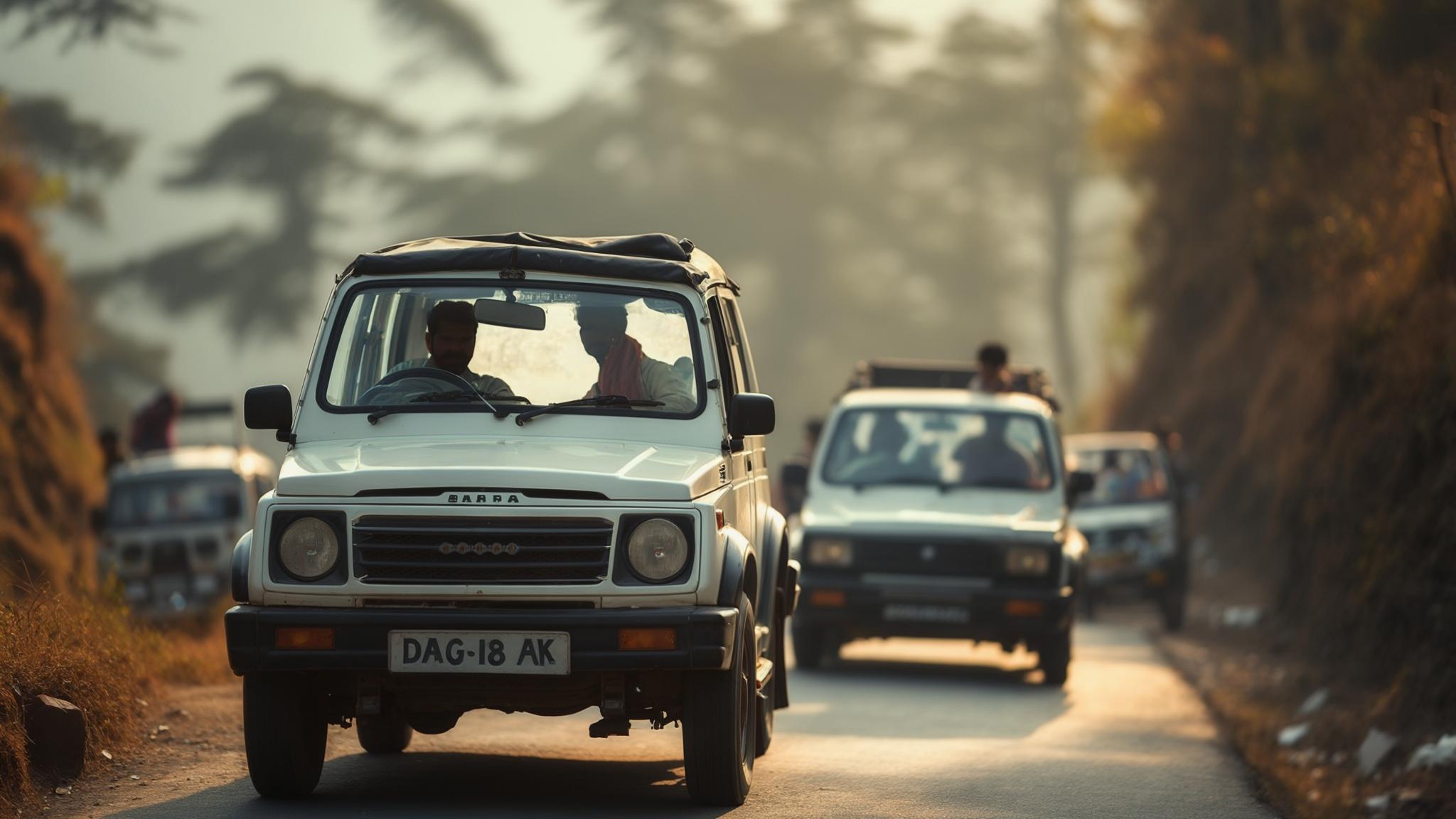
The most budget-conscious way to reach Dhanaulti from Mussoorie is by shared taxi, which departs from the taxi stand near Picture Palace Chowk. According to local taxi operators interviewed in March 2026, the shared fare runs between ₹80 and ₹120 per seat, depending on occupancy and seasonal demand. The journey takes approximately 45 minutes to one hour in normal traffic conditions.
Private cab hire for the same route typically ranges from ₹800 to ₹1,200 for a round trip with a two-hour waiting allowance, based on rates quoted by the Uttarakhand Tourism Development Board. Travellers with their own vehicles will find the SH-72A road well-maintained for most of the year, with some sections requiring caution during monsoon months (July–September).
Renting a two-wheeler in Mussoorie is another option, with several shops near Kulri Bazaar offering bikes from ₹400–₹600 per day. Riders should carry valid identification and a driving licence, and should note that some sections of the road narrow significantly near the Suakholi junction.
The Eco Park: What the Entry Fee Actually Gets You
Dhanaulti’s primary attraction is its twin Eco Parks — Amber and Dhara — managed by the Uttarakhand Forest Department. The ₹50 adult entry fee covers access to both zones, which together span roughly 13 hectares of dense deodar cedar and oak forest. A children’s ticket is ₹25, making a family of four’s entry under ₹150 in total.
Inside the parks, a series of paved and dirt walking trails wind through the forest canopy. On clear days — most common between October and June — the trails offer direct sightlines toward Bandarpunch and Kedarnath peaks in the higher Garhwal Himalaya. Forest Department signage identifies tree species and bird habitats along the route.
April is considered one of the better months to visit. Rhododendron trees along the upper ridge sections are in full bloom, producing the red-and-pink flowering display that draws photographers from Dehradun and Rishikesh. Local guides note that the peak bloom window typically falls between late March and mid-April at this elevation.
Full-Day Budget Breakdown: Spending Under ₹2,000 Per Person
A solo traveller making a full-day trip from Mussoorie to Dhanaulti can realistically keep costs below ₹1,500, while a couple can manage the same experience for approximately ₹2,200–₹2,600 combined. The following breakdown is based on current rates as of April 2026.
Food options near the Eco Park entrance include three to four small dhabas serving standard Garhwali thali plates (typically ₹120–₹180 per person) and maggi-and-chai counters popular with day hikers. The Uttarakhand Tourism website lists a Forest Rest House at Dhanaulti that accepts advance bookings for those considering an overnight stay, with dormitory beds priced from approximately ₹400 per night.
What Else Is in the Area: Beyond the Eco Park
Dhanaulti is not a single-point destination. Within a five-kilometre radius, several smaller sites add value to a full-day itinerary without significant additional cost.
- Surkanda Devi Temple — approximately 8 km from Dhanaulti town, this hilltop shrine sits at 2,757 metres and requires a 2-km uphill trek from the road. The temple is associated with the Shakti Peeth tradition and draws both pilgrims and trekkers. Entry is free; a small donation box is maintained by the temple trust.
- Eco Park Dhara (Zone 2) — the second zone of the Eco Park is less visited than Amber and contains older-growth deodar sections. A single entry ticket covers both zones.
- Apple Orchards (seasonal) — during late summer (August–September), roadside orchards near Dhanaulti offer direct fruit purchase from farmers. This is not an April activity but worth noting for return visitors planning a second trip.
- Kanatal Village — located 12 km further along the same road, Kanatal is a quieter settlement with homestay options and access to the Kodia Jungle trekking route.
When to Go and When to Avoid
April sits in one of the two optimal windows for Dhanaulti visits. The post-monsoon period (October to early December) offers the clearest mountain sightlines of the year, while late March through mid-May combines moderate temperatures — averaging 12°C to 20°C during the day — with the rhododendron bloom. Nights remain cold, dropping to 4°C–7°C, so a light jacket is advisable even for day trips.
The peak tourist season in Mussoorie (mid-May to June) brings significant crowd spillover to Dhanaulti as well. Weekday visits are substantially quieter than weekends during this window. According to the Uttarakhand Forest Department, the Eco Parks recorded their highest single-day footfall in May and June, with queues forming at the entry gate after 10:00 AM on public holidays.
Monsoon season (July–mid-September) brings leech activity on forest trails, road slippage risks near the Suakholi junction, and frequent cloud cover that eliminates mountain views. The parks remain open but the experience is materially different. Winter months (December–February) see occasional snowfall that temporarily closes the road; travellers should check local traffic conditions before departing Mussoorie during this period.