
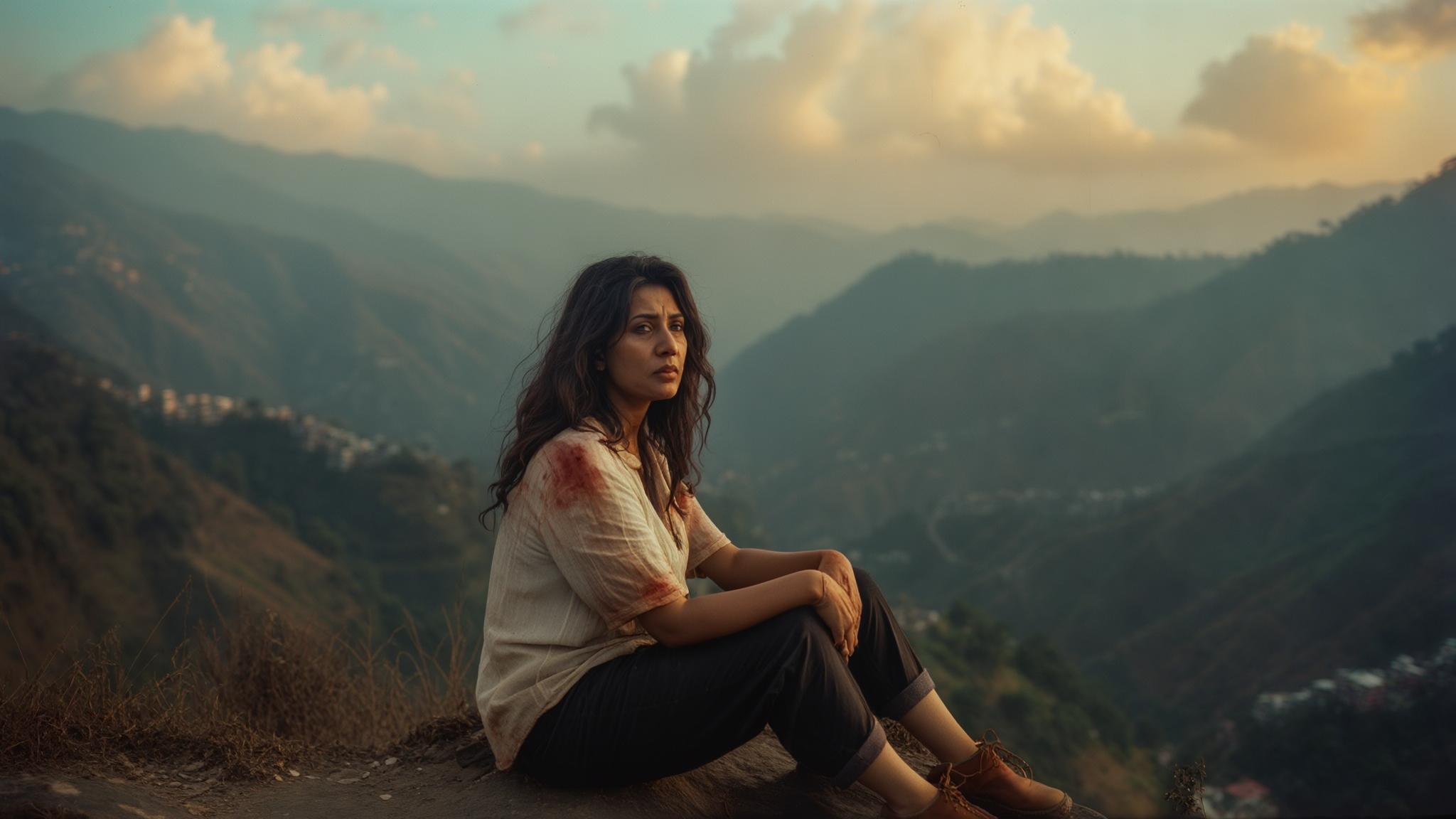
Approximately 35 lakh tourists visit Mussoorie every year, making it one of the most visited hill stations in India — and yet, surveys by the Uttarakhand Tourism Development Board consistently show that over 70% of visitors spend fewer than two nights and confine themselves to Mall Road, Kempty Falls, and Gun Hill. That concentration of footfall means inflated prices, long queues, and a town experience that feels less like the Queen of the Hills and more like a crowded bazaar at altitude.
The good news: a different Mussoorie exists just a short walk — or a short budget — away from those crowds. This guide is built on real cost data, seasonal visitor patterns, and on-the-ground local knowledge to help you plan a trip that is both affordable and genuinely worth the drive up from Dehradun.
What a Mussoorie Trip Actually Costs: The Honest Breakdown
The single biggest misconception about Mussoorie is that it is an expensive destination. It can be — if you book a Landour heritage hotel during peak May, walk into a Mall Road restaurant without checking prices, or hire a taxi for every short trip. But the town’s geography and its dense network of local guesthouses make budget travel entirely realistic.
Transport from Delhi to Dehradun by Shatabdi Express costs ₹600–₹750 (second AC). The shared cab from Dehradun’s Clock Tower to Mussoorie Library Bus Stand runs ₹80–₹100 per person. From Delhi by road, the distance is approximately 290 kilometres via NH 334, and a Volvo bus (GMOU or UPSRTC) from ISBT Kashmere Gate costs ₹500–₹650 one way.
Accommodation is where your budget bends the most. The stretch between Gandhi Chowk and Library Point — the town’s western side — holds dozens of family-run guesthouses that charge ₹700–₹1,200 per night in the off-season (November to March, excluding Christmas week) and ₹1,500–₹2,200 in shoulder months. The area around Kulri Bazaar on the eastern side has similar options with slightly better views toward Doon Valley.
- Budget guesthouse (off-season): ₹700–₹1,200/night
- Mid-range hotel (shoulder season): ₹1,800–₹2,800/night
- Heritage property in Landour: ₹5,000–₹12,000/night
- Meals (local dhabas): ₹150–₹250 per person per meal
- Ropeway (Gun Hill): ₹130 per person one way
- Kempty Falls entry: ₹50 per person
A realistic 3-day itinerary for a couple spending carefully — shared guesthouse room at ₹1,000/night, eating primarily at local restaurants, using shared cabs rather than private taxis — lands at approximately ₹8,500–₹10,000 total for two, or ₹4,200–₹5,000 per person including return transport from Delhi.
The Season Map: When Mussoorie Rewards Different Kinds of Travelers
Mussoorie’s tourism calendar does not split neatly into just “summer” and “winter.” There are effectively five distinct travel windows, each with different crowd levels, pricing, and weather character. Choosing the right one for your travel style matters more than most planning guides acknowledge.
October and November are arguably the finest months to visit Mussoorie, and they remain underrated. The monsoon has cleared the air, the Himalayan panorama from Lal Tibba — at 2,275 metres, the highest point in the Mussoorie range — is at its sharpest, and hotel rates have not yet risen for the winter holiday season. Rhododendrons begin blooming across Landour’s forest trails in March, adding colour to routes that are otherwise quiet at that time of year.
Beyond Mall Road: The Mussoorie Locals Actually Walk Through
The 2.5-kilometre pedestrian promenade of Mall Road is not without charm, but it represents perhaps 10% of what the town offers on foot. The areas that reveal Mussoorie’s actual character are Landour Cantonment, the Camel’s Back Road, and the village-like lanes around Barlowganj — none of which require a guide, a cable car, or an entry ticket.
Landour, situated about 3 kilometres east of Mall Road at a higher elevation, was once a British convalescent depot and retains much of its colonial-era architecture. The Char Dukan crossroads — named for the four small shops that have operated there for decades — is where many Mussoorie regulars head for breakfast. Anil’s Bakery and Prakash’s Store serve simple breakfasts of eggs, toast, and filter coffee at prices that feel almost anachronistic: a full breakfast costs around ₹120–₹150.
The Camel’s Back Road is a 3-kilometre loop that circles the western hill and is named for a rock formation that, from the right angle, resembles a camel’s silhouette. Cyclists and joggers use it in the early morning. The road passes the Mussoorie cemetery — an evocative colonial-era site that receives almost no tourist attention despite its historical significance — and offers open valley views toward the Doon basin below.
- Lal Tibba viewpoint: 3 km from Landour Char Dukan, accessible on foot, free entry. Best views of Bandarpunch and Kedarnath ranges on clear days.
- Benog Wildlife Sanctuary: 11 km from Mall Road, entry ₹150 per person. Short forest trails with oak and rhododendron cover; frequent bird sightings including Himalayan magpie.
- Company Garden: 3 km from Gandhi Chowk, entry ₹50. A manicured garden built during the British era, more impressive than its tourist-trap reputation suggests in the early morning before crowds arrive.
- Cloud’s End: 6 km from Mall Road, the westernmost point of Mussoorie ridge. Dense forest walks begin here, and a heritage hotel on-site serves tea to non-guests for ₹200.
The Food Reality: Where to Eat and What to Skip
Mussoorie’s restaurant scene is split sharply between Mall Road tourist traps and genuinely good local food at a fraction of the price. The tourist-facing restaurants along the main promenade serve average food at Delhi prices — a standard dal-roti-sabzi thali can cost ₹350–₹450 at these establishments. Walk one street back, into the Kulri Market or the lanes behind Library Chowk, and the same meal costs ₹150–₹200.
The town’s street food circuit is underrated. Tibetan momos have been a Mussoorie staple for decades, brought in by Tibetan refugees who settled in the region after 1959. The stalls near Clock Tower and around Kulri Bazaar serve steamed and fried momos at ₹60–₹80 for a plate of six. Maggi variations — with vegetables, egg, or local cheese — remain a hill station institution and cost ₹50–₹80 at roadside stalls.
For those willing to make one splurge, Landour has several cafes that justify their slightly higher prices through genuinely good cooking and remarkable settings. Rokeby Manor’s restaurant and the cafe at the Cambridge Book Depot building serve food that sits a clear step above the Mall Road average, with main courses in the ₹350–₹550 range.
What to Book in Advance — and What You Can Leave to Arrival
Advance booking matters most during three windows: May 1–June 15 (peak summer), the Diwali long weekend (dates vary), and December 23–January 2 (Christmas and New Year). During these periods, guesthouses and mid-range hotels in the ₹1,500–₹3,000 range fill up 3–4 weeks ahead. Outside these windows, walk-ins are generally fine at the budget and mid-range level.
The Dehradun–Mussoorie road sees significant traffic jams on weekends from late April through June. The traffic police in Mussoorie have implemented a one-way system during peak hours; if you are driving up from Dehradun, departing before 7 AM or after 7 PM avoids the worst of it. According to Uttarakhand Tourism, the state has been developing alternate routes as part of its hill station traffic management plan, but these are not yet complete as of 2026.
Mussoorie rewards the traveler who slows down. The town’s real character lives in its ridgeline walks, its small bakeries, its Tibetan settlements, and the quiet of Landour after 8 PM when the day-trippers have driven back down to Dehradun. The version of Mussoorie that most visitors encounter — the noisy, expensive, crowded Mall Road — exists and is real. But so does the other one, and it takes only a little planning to find it.