
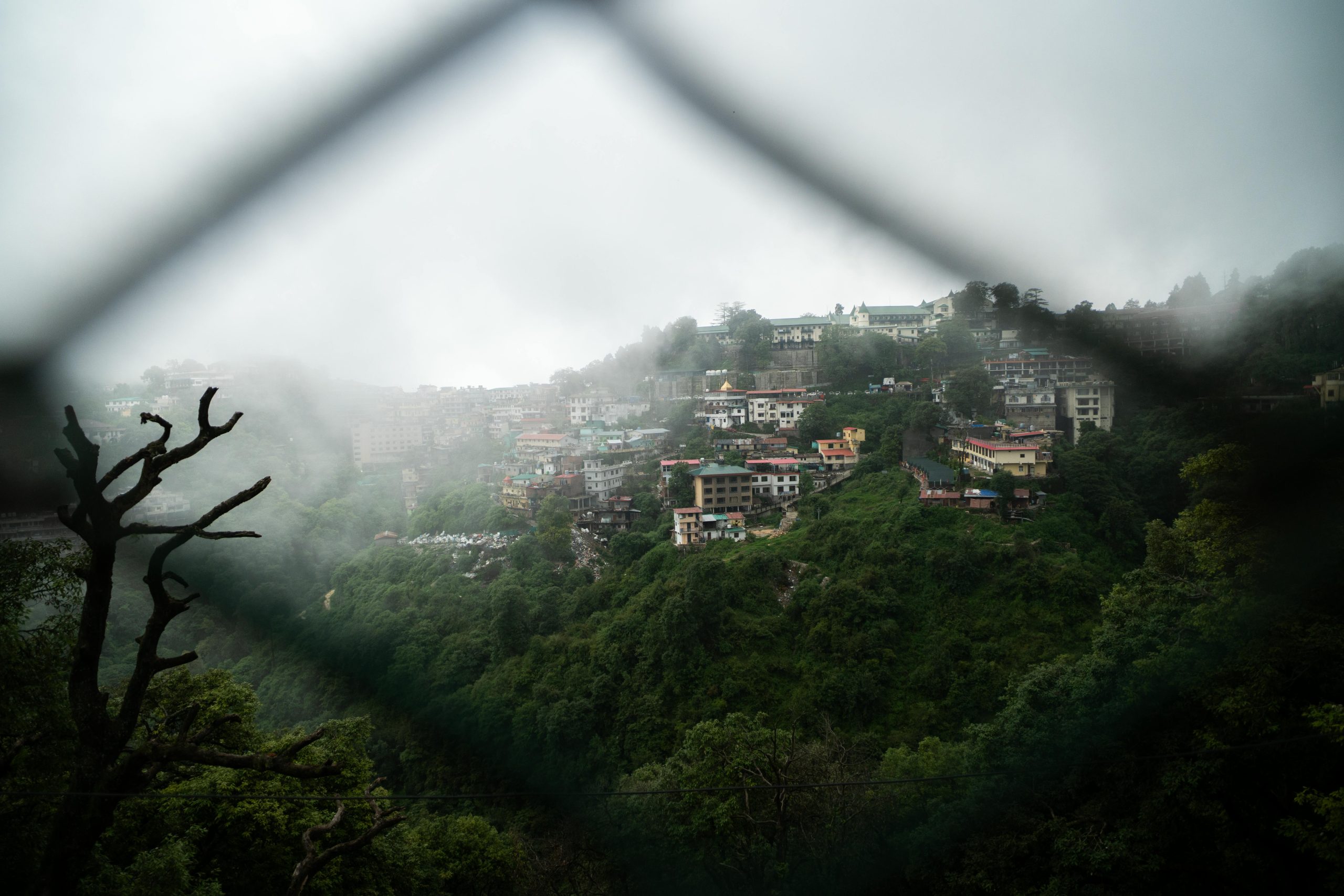
Roughly 5 million tourists visit Mussoorie annually, and the majority spend a significant portion of their trip sitting in traffic on the single winding road that climbs from Dehradun. That bottleneck — decades in the making and perennial in its misery — now has an expiry date. According to NDTV’s travel report, India’s longest passenger ropeway is on track to connect the two cities in approximately 20 minutes when it opens this September.
The Doon-Mussoorie Ropeway Project — described as a dream project by the Uttarakhand Tourism Department — spans 5.2 kilometres and uses a monocable detachable gondola system. It ascends roughly 1,000 metres over its route, making it a structurally and logistically complex undertaking by any regional standard.
What the Ropeway Actually Is — and How It Works
The project is built around a monocable detachable gondola (MDG) system — a technology commonly used in European and Japanese mountain resorts but relatively rare in India at this scale. In an MDG configuration, individual cabins detach from the main haulage rope at both terminals, allowing passengers to board and disembark at slow speed before the cabin re-engages with the cable for the high-speed transit phase.
According to eUttaranchal’s detailed project overview, the ropeway has been a long-gestating ambition of the Uttarakhand Tourism Department, with planning phases stretching back several years before construction approvals were secured. The September 2026 commercial launch date represents the project finally entering its operational phase.
What This Means for the Mussoorie Tourism Ecosystem
The ropeway’s arrival is already reshaping investment decisions in Mussoorie’s hospitality sector. Business Traveller reported that Royal Orchid Hotels Ltd. (ROHL) has announced plans to launch a new 70-key upscale lifestyle property in Mussoorie — a signal that institutional hospitality operators are increasing their confidence in the destination’s future capacity to absorb higher visitor volumes.
Easier access from Dehradun — which is itself well connected by rail and air — could materially expand the catchment area for Mussoorie day-trippers and short-break travellers. Currently, the road journey from Dehradun Railway Station can take anywhere from 45 minutes to over 90 minutes depending on traffic, with peak-season gridlock on the Mussoorie road being a widely documented deterrent.
For travellers arriving at Dehradun’s Jolly Grant Airport — which has seen a steady increase in connectivity over recent years — the ropeway could mean a seamless two-leg journey: flight to Dehradun, gondola to Mussoorie. That is a significant convenience upgrade over the current experience.
Mussoorie’s Broader Infrastructure Transformation
The ropeway project does not exist in isolation. Mussoorie, which sits at approximately 2,005 metres above sea level in the Garhwal region of Uttarakhand, has been part of a wider push by the state government to develop hill-station infrastructure capable of handling modern tourism volumes. According to eUttaranchal’s Garhwal hill stations guide, the broader Garhwal region contains several high-potential destinations that remain underdeveloped relative to their scenic and cultural value.
Mussoorie’s existing attractions — including Mall Road, Lal Tibba, Kempty Falls, Camel’s Back Road, Company Garden, and Gun Hill — already draw domestic and international visitors year-round. The addition of a modern aerial transit option adds a new experiential layer: the ride itself, with views across the Doon Valley and into the lower Himalayas, is likely to become a tourist attraction in its own right.
The Visitor Experience: What Travellers Should Anticipate
The monocable detachable gondola format means passengers will experience a continuous, smooth aerial journey rather than the stop-start of older jig-back ropeway systems. The 1,000-metre vertical ascent offers panoramic views that cannot be replicated from the road, and the 20-minute transit window is short enough to appeal to day-trippers who might previously have avoided the road congestion entirely.
Ticket pricing had not been officially announced as of this publication’s reporting date. However, comparable ropeway systems in Indian hill destinations — such as the Gulmarg Gondola in Jammu & Kashmir and the Auli ropeway in Uttarakhand itself — have historically been priced in the ₹500–₹1,500 range per person for single-direction rides, depending on season and capacity management policies.
Travel writers and cultural commentators have long noted Mussoorie’s enduring literary and aesthetic character — most prominently associated with author Ruskin Bond, who has lived in the hills since 1963. According to Travel + Leisure Asia’s Ruskin Bond travel guide, the town’s unhurried pace and Himalayan vistas remain central to its appeal. Whether a high-speed gondola alters that character — or simply makes it accessible to more people — is a question that local residents and urban planners have begun to raise in earnest.
The Doon-Mussoorie Ropeway represents the most significant infrastructure investment in Mussoorie’s accessibility since the road itself was modernised. For a hill station whose tourism economy depends almost entirely on visitor flow from the plains, a reliable, weather-resilient aerial link to Dehradun could be the structural change the destination has needed for a generation.
Frequently Asked Questions
{“@context”:”https://schema.org”,”@type”:”FAQPage”,”mainEntity”:[{“@type”:”Question”,”name”:”When will the Doon-Mussoorie Ropeway open?”,”acceptedAnswer”:{“@type”:”Answer”,”text”:”According to NDTV and eUttaranchal, the ropeway is set to begin commercial operations in September 2026.”}},{“@type”:”Question”,”name”:”How long is the Doon-Mussoorie Ropeway?”,”acceptedAnswer”:{“@type”:”Answer”,”text”:”The ropeway spans 5.2 kilometres and ascends approximately 1,000 metres using a monocable detachable gondola system.”}},{“@type”:”Question”,”name”:”How much time will the ropeway take from Dehradun to Mussoorie?”,”acceptedAnswer”:{“@type”:”Answer”,”text”:”The projected transit time is approximately 20 minutes, compared to a road journey that can exceed 90 minutes during peak seasons.”}},{“@type”:”Question”,”name”:”What type of gondola system does the Doon-Mussoorie Ropeway use?”,”acceptedAnswer”:{“@type”:”Answer”,”text”:”The project uses a monocable detachable gondola (MDG) system, in which cabins detach from the haulage rope at terminals for slow-speed boarding and re-engage for high-speed transit.”}},{“@type”:”Question”,”name”:”What new hotels are opening in Mussoorie in 2026?”,”acceptedAnswer”:{“@type”:”Answer”,”text”:”Royal Orchid Hotels Ltd. has announced a new 70-key upscale lifestyle property in Mussoorie, as reported by Business Traveller.”}}]}