
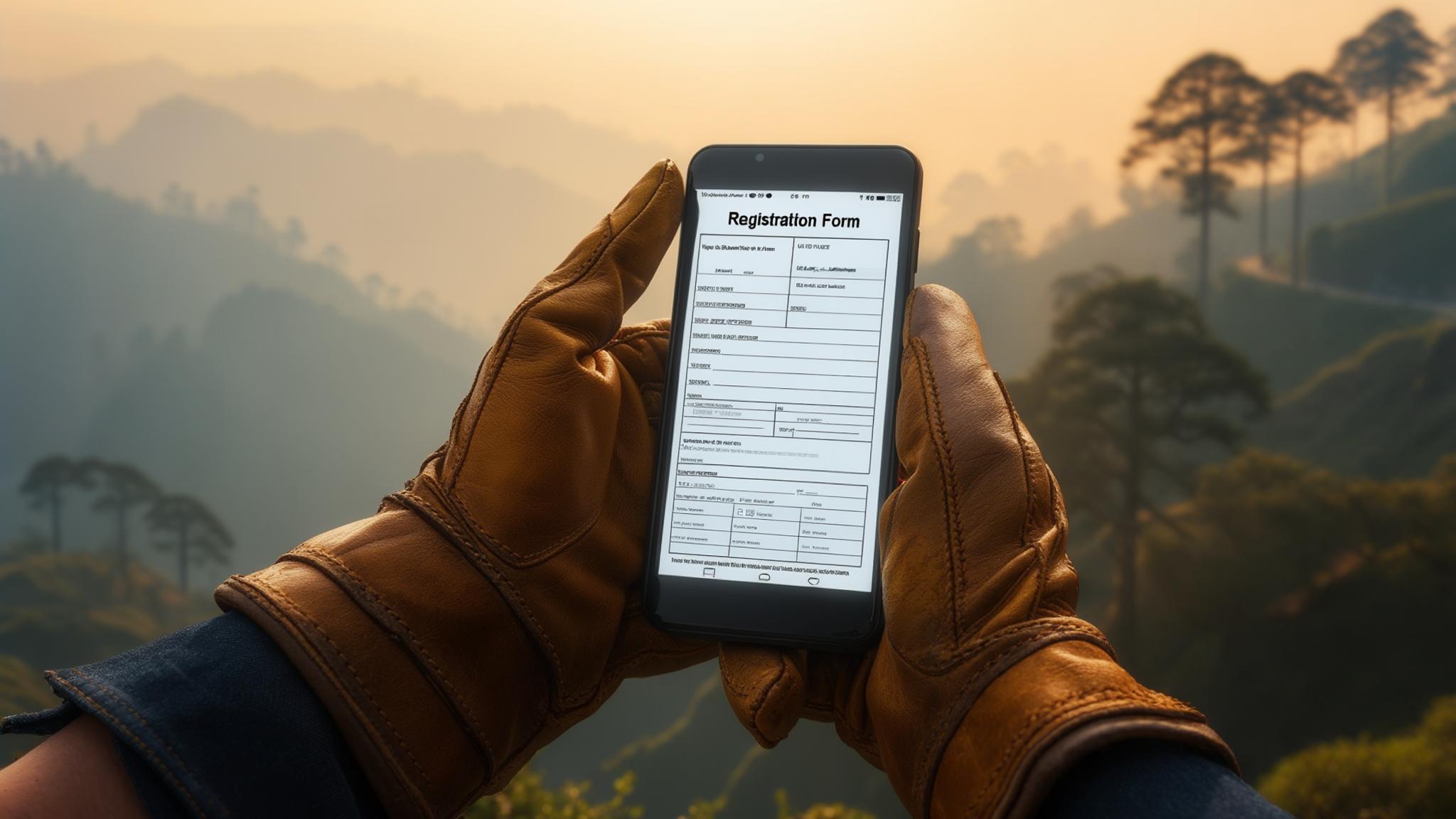
Imagine driving six hours from Delhi in the July heat, the kids asleep in the back seat, chai thermos empty, only to be waved off at a checkpoint outside Mussoorie because you forgot to fill out an online form. That scenario became a real possibility for millions of Indian tourists when the Uttarakhand government quietly flipped a switch on August 1, 2025, making pre-arrival digital registration compulsory for every visitor to the hill station — no exceptions.
The policy, months in the making, is the state government’s most direct attempt yet to address what has become a genuine civic crisis: a 7,000-foot ridge town built for a fraction of the crowd it now receives, regularly overwhelmed by weekend traffic that can stretch queues back toward Dehradun for hours.
What the New Registration Rule Actually Requires
The registration is not optional, and it is not a formality. According to India Today’s August 1 report, tourists must submit their Aadhaar card details through the designated government portal before setting out for the hill station. The system is designed to capture real-time visitor flow data and feed it to traffic management authorities at entry points.
Visitors are required to provide their full name, contact number, Aadhaar identification number, vehicle registration details, and intended dates of stay. The portal generates a confirmation that travellers are expected to present at checkpoints. Officials have been stationed at key access roads leading into Mussoorie to verify registrations.
The Uttarakhand government has framed the registration as a crowd-management tool rather than a visitor cap. There is currently no publicly announced daily limit on the number of tourists permitted to enter Mussoorie — the data collected is intended to give authorities visibility into surge periods and allow them to redirect or stagger traffic accordingly.
Why Mussoorie Reached a Breaking Point
Mussoorie has long been one of North India’s most visited hill stations, drawing visitors from Delhi, Lucknow, and the wider NCR region looking for relief from the plains’ summer heat. But the infrastructure serving the town — a single principal road winding up from Dehradun, limited parking, narrow market lanes — was designed for a fraction of present visitor volumes.
Peak weekends and public holidays have historically produced traffic jams stretching several kilometres down the Dehradun–Mussoorie highway, with vehicles backed up for two to four hours. Local residents and hotel operators have repeatedly raised concerns about emergency vehicle access being blocked and the environmental toll on the fragile Himalayan ridge ecosystem.
The registration mandate follows a broader national trend of popular Indian hill stations turning to digital tools to manage visitor pressure. Destinations including Shimla, Manali, and Kedarnath have experimented with entry caps, timed slots, or registration systems over the past three years, with varying degrees of enforcement success.
How to Register — Step by Step
The registration process is straightforward for travellers with internet access and a valid Aadhaar card. The Uttarakhand government has built the process around the national identity infrastructure to ensure data integrity and prevent duplicate or fraudulent entries.
Travellers using public transport — buses or shared taxis from Dehradun’s Inter-State Bus Terminal — are also required to register before boarding, according to India Today’s reporting on the August 3 follow-up clarification. The registration is tied to the individual visitor, not the vehicle, meaning each person in a group must complete a separate entry.
Early Reactions and Practical Implications for Travellers
The response from tourism operators in Mussoorie has been cautiously positive. Hotel and guesthouse owners have noted that the pre-registration requirement may push more travellers to book accommodation in advance, which would improve occupancy predictability and reduce the large number of day-trippers who historically contributed to congestion without generating significant local revenue.
The policy does raise practical questions for spontaneous travellers — a demographic that forms a meaningful share of Mussoorie’s visitors, particularly from Dehradun residents who historically treated the hill station as an afternoon drive. Those visitors will now need to plan even a casual trip with at least enough advance notice to complete the online form.
Privacy advocates have flagged the Aadhaar linkage as a point of concern, noting that aggregating location and travel data tied to biometric identity numbers creates a dataset that could, if inadequately secured, expose individual movement patterns. The Uttarakhand government had not published a formal data retention or privacy policy for the registration system as of the reporting date of this article.
For travellers already committed to a Mussoorie trip in the coming months, the practical advice is simple: register early, carry a digital or printed copy of the confirmation, and build in buffer time at the checkpoint in case verification queues form during peak hours. The registration itself carries no fee as of March 2026.
Frequently Asked Questions
{“@context”:”https://schema.org”,”@type”:”FAQPage”,”mainEntity”:[{“@type”:”Question”,”name”:”When did Mussoorie’s mandatory tourist registration rule start?”,”acceptedAnswer”:{“@type”:”Answer”,”text”:”The mandatory online pre-registration requirement for tourists visiting Mussoorie took effect on August 1, 2025, as announced by the Uttarakhand government.”}},{“@type”:”Question”,”name”:”What documents are needed to register for a Mussoorie visit?”,”acceptedAnswer”:{“@type”:”Answer”,”text”:”Tourists must provide their Aadhaar card number, full name, mobile number, vehicle registration details, and planned travel dates on the official Uttarakhand government portal.”}},{“@type”:”Question”,”name”:”Is there a fee to register for visiting Mussoorie?”,”acceptedAnswer”:{“@type”:”Answer”,”text”:”As of March 2026, the registration process carries no fee. It is a free online submission through the state tourism portal.”}},{“@type”:”Question”,”name”:”Do day-trippers and public transport users also need to register?”,”acceptedAnswer”:{“@type”:”Answer”,”text”:”Yes. According to India Today’s reporting, all visitors — including those arriving by bus or shared taxi from Dehradun — are required to register individually before travel.”}},{“@type”:”Question”,”name”:”What happens if you arrive at Mussoorie without registering?”,”acceptedAnswer”:{“@type”:”Answer”,”text”:”Tourists without a valid registration confirmation may be denied entry at checkpoints on the access roads leading into Mussoorie. No on-site registration option has been announced by the government.”}}]}