
Most Indian travellers are told to visit Mussoorie between April and June — before the rains arrive and while schools are still out. That advice, repeated across dozens of travel blogs, is worth questioning. Weather records, hotel pricing patterns, and accounts from seasoned hill-station travellers consistently point to a different conclusion: the months that see the fewest visitors are often the months that deliver the most memorable experience.
Mussoorie, perched at roughly 2,005 metres above sea level in Uttarakhand, draws millions of visitors annually. But the distribution of those visitors is deeply uneven — and that imbalance creates opportunity for travellers willing to look at the calendar differently.
What the Weather Data Actually Says About Mussoorie in 2026
Temperature records for Mussoorie show June as the warmest month, with daily highs averaging approximately 26.1°C and lows near 16.8°C — conditions that are pleasant but increasingly busy, according to monthly weather forecast data for Mussoorie, Uttarakhand. By contrast, January sits at the coldest end of the spectrum, with the possibility of snowfall and significantly lighter tourist traffic.
The two-week extended forecast for Mussoorie in late March 2026 shows highs around 74°F (approximately 23°C) with isolated afternoon thunderstorms — a reminder that shoulder-season weather here is variable and requires preparation. Travellers who check forecasts carefully rather than relying on seasonal generalisations tend to have smoother trips.
According to NDTV Travel’s snowfall guide, February ranks among the best months to experience snowfall at Indian hill stations, including destinations in Uttarakhand. Mussoorie’s elevation makes it a credible candidate during cold spells, though snowfall is never guaranteed at town level.
The Monsoon Window: July to September
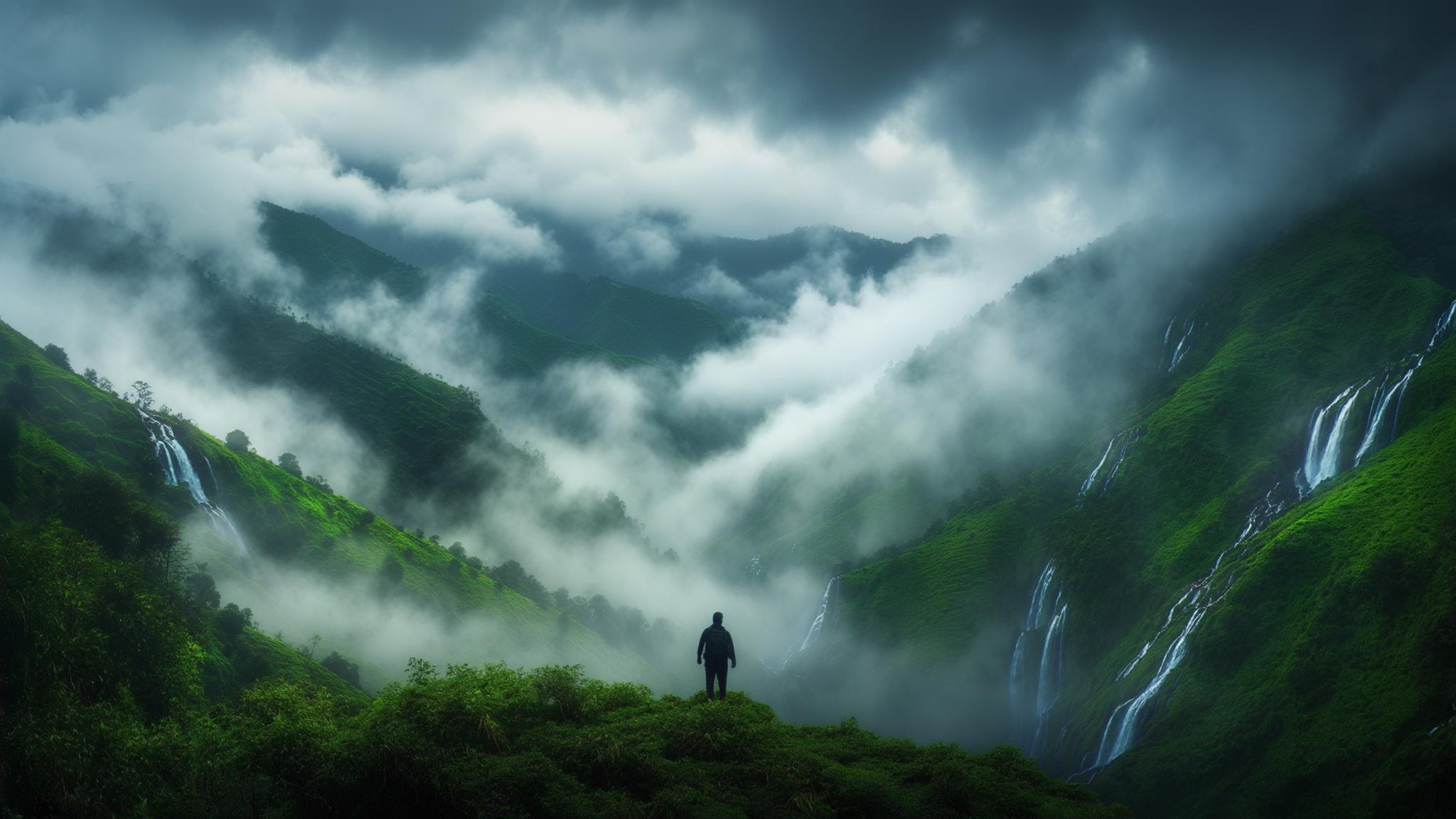
Between July and September, the monsoon transforms Mussoorie into a dramatically green landscape. The hills appear freshly washed, clouds move through at eye level, and the air carries a density of fragrance that dry-season visits simply cannot replicate. Visitor numbers drop compared to June’s peak, which translates directly into lower hotel rates and shorter queues at popular spots like Kempty Falls and Gun Hill.
The trade-off is real: landslides occasionally affect road access on the Dehradun–Mussoorie route, and some outdoor activities are curtailed on heavy-rain days. Travellers should monitor road conditions through Uttarakhand’s state transport updates and build flexibility into itineraries.
Budget travellers benefit most from this window. Popular mid-range properties — including Ramada by Wyndham on Mall Road, The Fern Brentwood Resort, and properties under the Marriott portfolio — typically list lower rack rates in monsoon compared to May and June. Early online booking still applies, but last-minute deals are more common in this period than during summer holidays.
Shimla vs Mussoorie: Choosing the Right Hill Station for Your 2026 Trip
The comparison between these two classic Himalayan hill towns comes up repeatedly among travellers planning 2026 trips. According to Travel and Tour World’s hill-station comparison, the two destinations differ meaningfully in character, accessibility, and winter snow reliability.
Mussoorie’s proximity to Dehradun — which has a functioning airport with connections to Delhi — gives it a logistical edge for short-trip travellers. A weekend itinerary from Delhi by road takes roughly 5–6 hours via NH58 or the expressway-Dehradun route, making it viable even on standard two-day long weekends. According to Outlook Traveller’s 2026 long weekend guide, several clustered holidays in the Indian calendar create natural three- and four-day windows ideal for hill-station trips without consuming earned leave.
Budgeting for a Mussoorie Trip in 2026
Accommodation costs in Mussoorie vary dramatically by season and booking window. Budget homestays and guesthouses in areas like Landour and Library Bazaar can start from approximately ₹800–₹1,500 per night in the off-season. Mid-range hotels on or near Mall Road typically range from ₹2,500 to ₹6,000 per night during shoulder months, rising to ₹8,000–₹15,000 or more during May and June peak weeks.
A three-day trip for a solo traveller during shoulder season (October, February, or early March) can therefore fall in the ₹4,300–₹8,000 range. Couples and groups travelling together compress per-person accommodation costs further. According to NDTV’s 2026 summer hill station guide, Mussoorie ranks among the top accessible hill stations for travellers seeking relief from plains heat — but savvy visitors are increasingly front-running the summer rush by arriving in late March or April before rates escalate.
Practical Planning: Getting There and What to Bring
The most common route from Delhi is by road or rail to Dehradun, followed by a taxi or shared cab to Mussoorie. The Shatabdi Express from New Delhi to Dehradun takes approximately 5–6 hours and is considered the most comfortable rail option. From Dehradun’s railway station, shared taxis to Mussoorie depart frequently and cost approximately ₹150–₹300 per seat.
Visitors planning winter trips (December–February) should carry layered clothing, as temperatures can dip below 5°C at night and early morning. Monsoon travellers need waterproof footwear, a reliable rain jacket, and a flexible attitude toward outdoor plans. Summer visitors — the majority — will find light woolens useful for evenings even in June, when hilltop temperatures drop sharply after sunset.
- Carry cash — ATMs exist on Mall Road but queues form on weekends
- Book accommodation at least two weeks ahead for May, June, and long weekends
- Landour, above the main town, offers quieter stays and better views than Mall Road hotels
- The ropeway (cable car) to Gun Hill operates seasonally — confirm operational status before planning around it
- Local shared taxis (Vikrams) are the cheapest way to move within town; negotiate rates upfront for private cabs
Mussoorie in 2026 remains one of northern India’s most accessible hill escapes — but the experience a visitor gets depends almost entirely on when they choose to arrive. The data, and the accounts of repeat visitors, consistently favour the road less travelled: monsoon mists, winter quiet, or the brief clarity of early spring over the gridlocked peak of a summer weekend.
Frequently Asked Questions
{“@context”:”https://schema.org”,”@type”:”FAQPage”,”mainEntity”:[{“@type”:”Question”,”name”:”What is the best month to visit Mussoorie in 2026?”,”acceptedAnswer”:{“@type”:”Answer”,”text”:”Weather records show June as Mussoorie’s hottest month with highs around 26.1°C, but visitor numbers are high. July–September offers lush monsoon scenery with fewer crowds, while January–February is the coldest and best for potential snowfall.”}},{“@type”:”Question”,”name”:”How much does a 3-day Mussoorie trip cost in 2026?”,”acceptedAnswer”:{“@type”:”Answer”,”text”:”A solo traveller during shoulder season can expect to spend approximately ₹4,300–₹8,000 for 3 days, covering mid-range accommodation (₹2,500–₹5,000 for 2 nights), food, transport from Delhi, and activity fees.”}},{“@type”:”Question”,”name”:”Is Mussoorie or Shimla better for a winter trip?”,”acceptedAnswer”:{“@type”:”Answer”,”text”:”According to Travel and Tour World’s hill-station comparison, Shimla at ~2,206 metres elevation offers more consistent snowfall in winter than Mussoorie (~2,005 m). However, Mussoorie’s proximity to Dehradun airport and Delhi gives it a logistical advantage for short trips.”}},{“@type”:”Question”,”name”:”How do you get from Delhi to Mussoorie?”,”acceptedAnswer”:{“@type”:”Answer”,”text”:”The standard route is the Shatabdi Express from New Delhi to Dehradun (approximately 5–6 hours), followed by a shared taxi from Dehradun station to Mussoorie costing roughly ₹150–₹300 per seat. The total road journey from Delhi is approximately 290 km.”}},{“@type”:”Question”,”name”:”Does it snow in Mussoorie in February 2026?”,”acceptedAnswer”:{“@type”:”Answer”,”text”:”Snowfall in Mussoorie during February is possible but not guaranteed at town level. NDTV’s snowfall guide lists Uttarakhand hill stations as credible snow destinations in February, but Mussoorie’s 2,005-metre elevation means snow is more reliable at nearby Dhanaulti (~2,200 m, 30 km away).”}}]}