
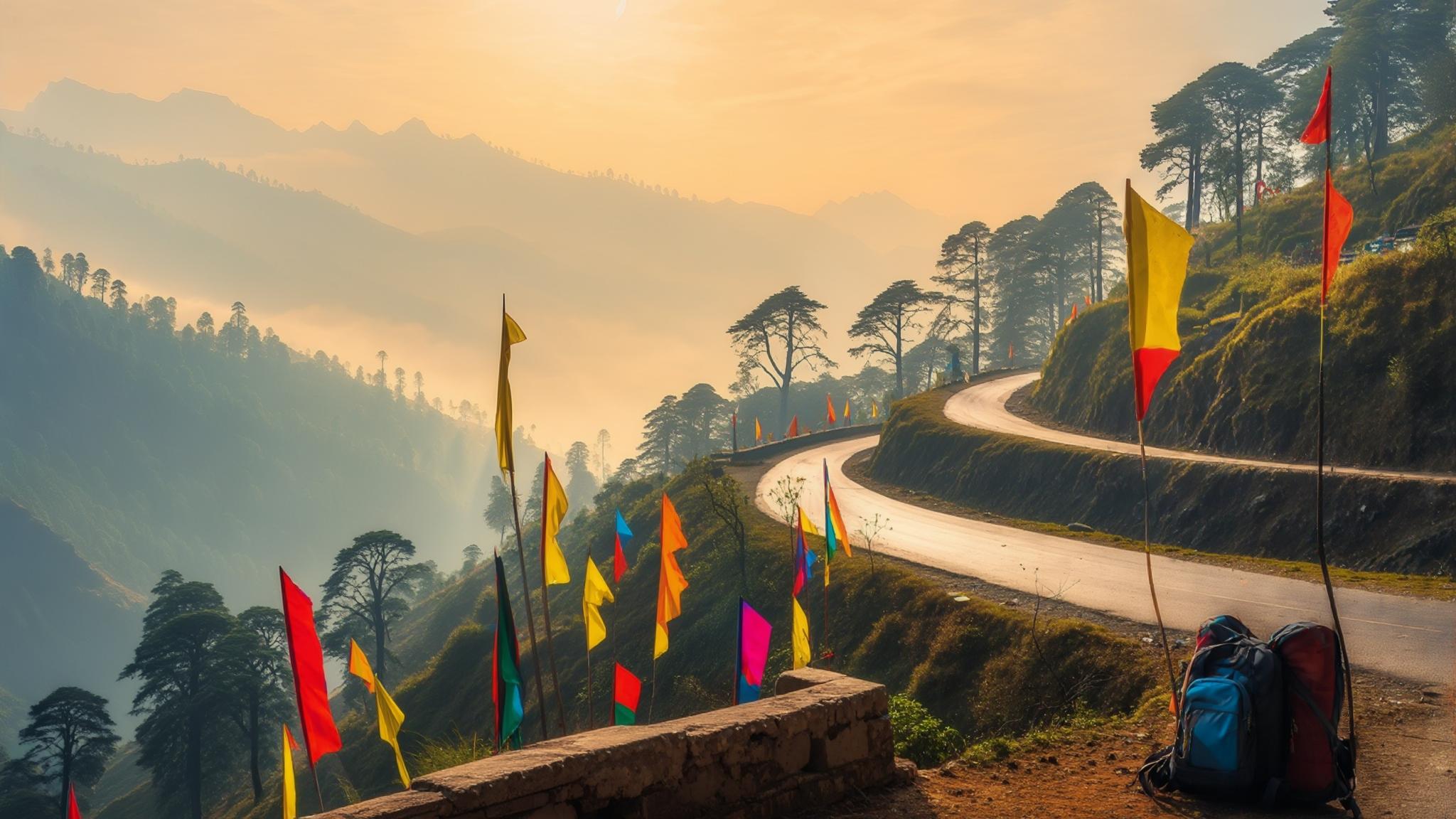
As of March 31, 2026, Mussoorie’s local administration is finalizing the rollout of a mandatory tourist pre-registration system for peak season arrivals — a structural shift that affects every traveler planning a visit from April onward. According to NDTV’s report on the hill station check-in system, the move is driven by chronic overcrowding on Mall Road and around Kempty Falls during peak months, and is part of a broader effort to prevent the kind of gridlock that has strained the town’s infrastructure in recent years.
The announcement has caught many travelers mid-booking. Hotels along Library Road and Cart Road are reporting accelerated inquiry volumes for April and May, with several mid-range properties already noting limited availability for long weekends. For anyone who had penciled in a casual drive-up visit, the new framework changes the calculus considerably.
What the Pre-Registration System Actually Requires
The pre-registration framework is not simply a QR code at the town boundary. According to NDTV’s coverage, the system is designed to cap daily tourist inflow during defined peak windows, with visitors required to register online ahead of their arrival date. Authorities are reportedly tying the registration to vehicle entry permits and hotel booking confirmations.
The practical implications are significant. Travelers arriving by private car from Dehradun — roughly a 35-kilometre drive — may face checkpoint verification on the Mussoorie bypass road. Those arriving by shared taxi from Dehradun’s railway station, a route that costs approximately ₹150–200 per person, will likely face registration checks at the main entry points into town.
Local hospitality operators have responded cautiously. The broader industry view, reflected in recent travel coverage, is that managed tourism is preferable to the uncontrolled surge that left Mall Road impassable on multiple weekends in 2024 and 2025. Whether the system’s execution matches its intent remains to be seen once the first high-traffic weekends of April arrive.
The Attractions Driving Demand — And Their Current Costs
Understanding why Mussoorie continues to attract peak-season pressure requires a look at what the town actually offers. The destination draws visitors across age groups and travel styles, from families targeting Kempty Falls to trekkers heading toward Nag Tibba and George Everest Peak.
Kempty Falls, located approximately 15 kilometres from the main town, remains one of the most-visited natural attractions in the region. The waterfall is accessible by road and draws heavy footfall on weekends, which is precisely the kind of site the pre-registration system is designed to regulate. During off-peak hours on weekdays, the area is considerably more manageable.
The Gun Hill ropeway — a cable car connecting Mall Road to Gun Hill at a cost of ₹200 to ₹300 per ride — offers panoramic Himalayan views and is among the town’s most recognizable experiences. Trekking options extend further: trails to Nag Tibba, George Everest Peak, and Cloud End are documented in multiple travel guides as suitable for intermediate hikers with local guides.
- Mall Road and Library Road: The commercial and social spine of Mussoorie, lined with shops, restaurants, and colonial-era architecture. Walking distance between the two is under two kilometres.
- Lal Tibba: The highest point in Mussoorie accessible by road, offering telescope-aided views of Badrinath, Kedarnath, and Bandarpunch peaks on clear days.
- Company Garden: A maintained botanical garden near the town centre, popular for family visits. Entry fees apply.
- Kellogg Memorial Church: A 19th-century heritage structure on Landour hillside, notable for its architecture and hilltop position.
- Mussoorie Lake: A smaller, quieter water body compared to Kempty, with boating facilities and less tourist density.
Where to Stay: From Budget Guesthouses to the JW Marriott
Accommodation in Mussoorie spans a wide range, and the right choice depends heavily on arrival timing and budget. The town’s hotel inventory runs from ₹800-per-night guesthouses in Landour to the luxury tier anchored by properties like the JW Marriott Mussoorie Walnut Grove Resort and Spa.
According to NDTV’s resort review, the JW Marriott Walnut Grove property stands out for its setting among walnut trees, mountain-facing room orientations, and spa facilities — positioning it as a credible luxury option for travelers willing to pay premium rates during the April–June window. The review noted that the property’s elevation provides natural temperature regulation even in early summer.
Mid-range travelers — the majority of Mussoorie’s visitor base — typically find the best value in guesthouses and smaller hotels on Camel’s Back Road and in the Kulri Bazaar area, where rack rates outside peak weekends remain competitive.
When to Go: Seasons, Snowfall, and the Winterline Window
Mussoorie’s appeal shifts substantially by season. Spring (March to mid-June) brings clear skies and mild temperatures, making it the most popular period for families traveling from Delhi, Lucknow, and other plains cities. According to NDTV’s 2026 summer hill station guide, Mussoorie ranks consistently among India’s top hill station choices for summer travel, largely because its elevation of approximately 2,000 metres keeps temperatures 15–20 degrees Celsius cooler than the Delhi plains through May and June.
Winter travel — November through February — offers a different character entirely. As reported by the Times of India on the Winterline phenomenon, Mussoorie’s ridge position creates conditions for a rare optical event where the horizon appears to divide into two distinct light bands at dusk — a phenomenon visible on clear winter evenings from the Gun Hill and Lal Tibba viewpoints. This draws a dedicated segment of visitors specifically between October and January.
For travelers seeking snowfall specifically, NDTV’s February snowfall guide notes that Mussoorie receives snowfall primarily in January and February, though accumulation at the town level varies year to year. Higher-altitude viewpoints like Lal Tibba see snow more reliably than Mall Road itself.
Getting There and the Practical Numbers
Mussoorie is accessible primarily via Dehradun, which sits 35 kilometres away and is served by Jolly Grant Airport — approximately 54 kilometres from Mussoorie town. Shared taxis from Dehradun’s railway station to Mussoorie run approximately ₹150–200 per seat. Private cab hire from Dehradun typically costs ₹700–1,200 depending on the vehicle type and departure point.
Dehradun is also a major rail junction, with direct overnight trains from Delhi (approximately 6–7 hours). The Shatabdi Express covers Delhi to Dehradun in roughly 5.5 hours. From the railway station, the Mussoorie bus service operated by GMOU operates on a scheduled timetable at fares under ₹100 per person.
Within Mussoorie, private vehicles are restricted on sections of Mall Road during peak hours. Local taxis, e-rickshaws, and walking are the primary modes of movement. Travelers renting accommodations away from Mall Road should factor in walking distances, as the hill terrain makes short distances significantly more demanding than on flat ground.
✔ Book accommodation at least 3 weeks before peak weekend dates
✔ Confirm hotel booking ties into pre-registration requirements once portal is live
✔ Plan Kempty Falls visit on a weekday morning to avoid peak congestion
✔ Carry a printed or downloadable offline copy of registration confirmation
The combination of tightening entry protocols, rising accommodation demand, and consistent seasonal appeal makes April 2026 a more logistically complex trip than previous years. Travelers who act on bookings and registration requirements now are positioned significantly better than those who treat Mussoorie as a spontaneous weekend option — which, for the foreseeable peak season, it may no longer be.
Frequently Asked Questions
{“@context”:”https://schema.org”,”@type”:”FAQPage”,”mainEntity”:[{“@type”:”Question”,”name”:”What is Mussoorie’s new tourist pre-registration system and when does it apply?”,”acceptedAnswer”:{“@type”:”Answer”,”text”:”Mussoorie’s administration is rolling out a pre-registration system for tourists during peak seasons. According to NDTV’s reporting, the system requires visitors to register online before arrival and is designed to cap daily tourist inflow. It is expected to be most strictly enforced between April and July 2026.”}},{“@type”:”Question”,”name”:”How far is Kempty Falls from Mussoorie town and how do you get there?”,”acceptedAnswer”:{“@type”:”Answer”,”text”:”Kempty Falls is approximately 15 kilometres from Mussoorie’s main town. It is accessible by road via taxi or private vehicle. The site is one of the most visited natural attractions in the area and experiences heavy crowding on weekends.”}},{“@type”:”Question”,”name”:”What does a ropeway ride to Gun Hill cost in Mussoorie?”,”acceptedAnswer”:{“@type”:”Answer”,”text”:”The cable car (ropeway) to Gun Hill costs approximately ₹200 to ₹300 per person for a one-way ride. Gun Hill is among Mussoorie’s most popular viewpoints and is accessible directly from Mall Road.”}},{“@type”:”Question”,”name”:”When does snowfall occur in Mussoorie?”,”acceptedAnswer”:{“@type”:”Answer”,”text”:”According to NDTV’s reporting on Indian snowfall destinations, Mussoorie receives snowfall primarily in January and February. Higher-altitude points like Lal Tibba see snow more reliably than the town centre on Mall Road.”}},{“@type”:”Question”,”name”:”What is the Winterline phenomenon in Mussoorie?”,”acceptedAnswer”:{“@type”:”Answer”,”text”:”The Winterline is a rare optical event visible from Mussoorie’s ridge on clear winter evenings, where the horizon appears to split into two distinct light bands at dusk. The Times of India has reported on it as a unique Himalayan attraction best viewed from Gun Hill and Lal Tibba viewpoints between October and January.”}}]}