
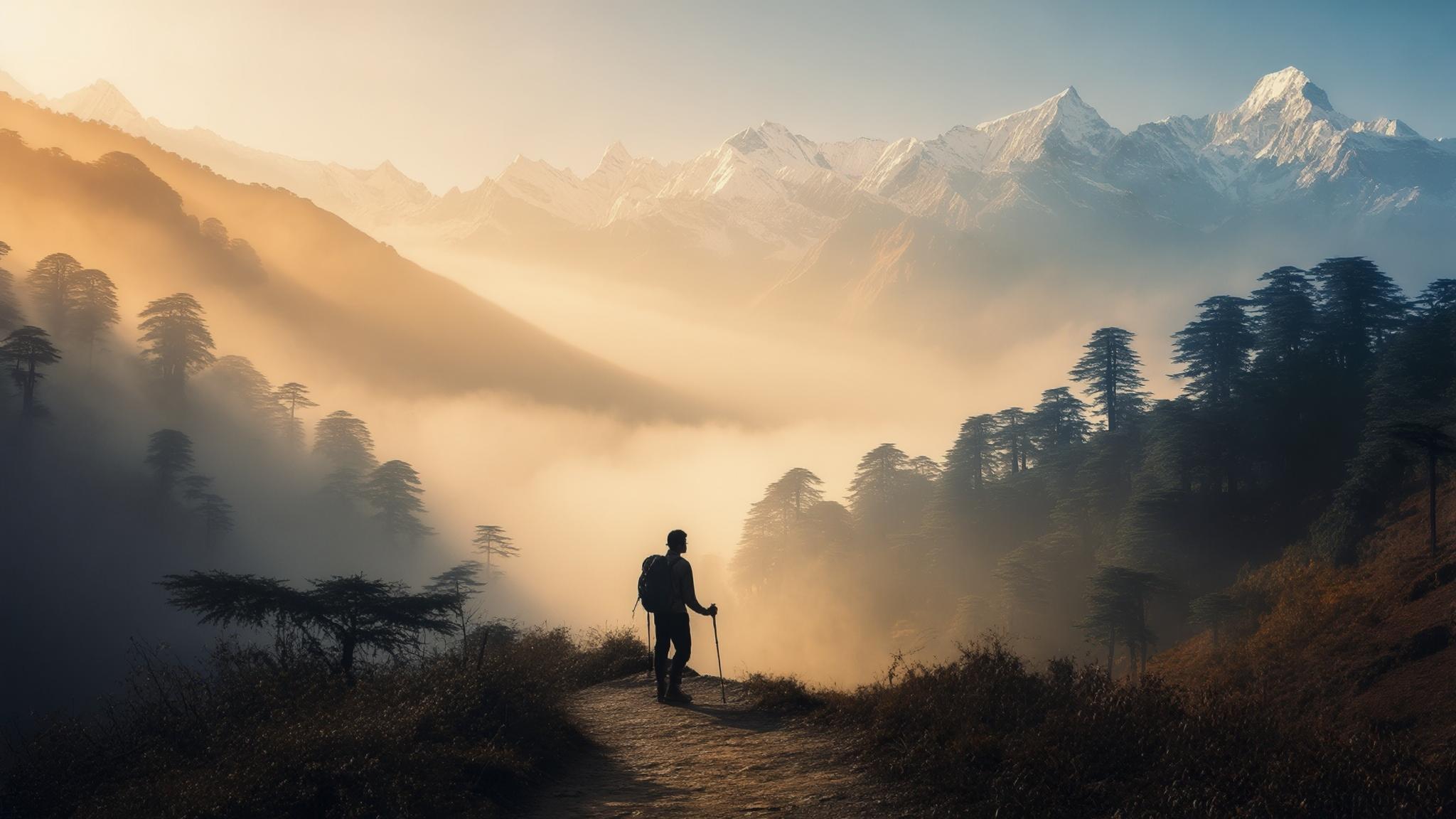
The conventional pitch for Mussoorie — cable car to Gun Hill, photograph at Kempty Falls, ice cream on Mall Road, repeat — has done the hill station a quiet disservice. The Queen of Hills, as it has been called since the British colonial era, contains enough texture and topographic variety to sustain three days of serious exploration, yet the majority of visitors spend most of their time in a half-kilometre commercial corridor. That gap between reputation and reality is exactly what a growing number of independent travelers are now closing.
What the Tourist Circuit Misses Entirely
The standard Mussoorie itinerary clusters around Gun Hill and the Mall Road promenade, two landmarks that date to the hill station’s British-era founding and remain genuinely scenic. But they represent a fraction of what the wider Mussoorie Municipal Area contains. According to research compiled by Times of India Travel, destinations including Dhanaulti, George Everest’s estate, and Bhatta Falls are all accessible within two hours of the main town — yet they receive a small fraction of the footfall directed at Kempty Falls.
Landour, the quieter cantonment area adjacent to Mussoorie, deserves particular attention. Its walking routes — the Landour Infinity Walk, the School Boy Walk, and the Benog Tibba Day Hike — have earned consistent five-star reviews from trekking operators listing them on guided tour platforms. The area’s Char Dukaan, a cluster of four old shops at a crossroads, has become a focal point for travelers seeking a slower pace and locally sourced food.
- Lal Tibba: The highest point in Mussoorie at approximately 2,275 metres, offering telescope views toward Kedarnath and Badrinath on clear days.
- Camel’s Back Road: A 3-kilometre walking loop named for a rock formation, popular at sunrise when traffic is minimal.
- Kellogg Memorial Church: A 19th-century stone church that functions as one of the town’s best-preserved colonial landmarks.
- Sister Bazaar: A local market area that operates at a different pace from the main Mall Road commercial strip.
- George Everest Estate: The former home of the surveyor-general after whom Mount Everest is named, offering 180-degree valley views.
The February and March Snow Window — And Why Timing Changes Everything
Mussoorie’s winter season, running roughly from December through February, brings the snowfall that fills hotel booking platforms in December. But the weeks immediately following — late February into March — produce conditions that regular visitors describe as optimal: snow still visible on surrounding peaks, rhododendrons beginning to flower, and significantly lower accommodation prices.
According to NDTV Travel, Mussoorie is among the Indian hill destinations most reliably positioned for snowfall exposure in February, sitting at an elevation where overnight temperatures regularly drop below freezing in the core winter months. By late March, those conditions soften while trail accessibility improves.
The Tibetan Market on Mall Road, which operates across seasons, draws travelers specifically for handcrafted woolens and Tibetan artifacts. A cable car ride to Gun Hill — the most popular single paid activity in the town — delivers panoramic views of the snow-capped Himalayan range on clear days, with ticket prices remaining among the most accessible of any hill-station attraction in Uttarakhand.
Where to Stay: From Budget Guesthouses to Forest Luxury
Mussoorie’s accommodation range is wider than its package-tour image suggests. Budget travelers can find clean guesthouses in the Landour area and around Library Bazaar for approximately ₹800–₹1,800 per night during off-peak periods. The mid-range tier — typically ₹3,000–₹6,000 — covers several well-reviewed heritage properties along Camel’s Back Road and the approaches to Lal Tibba.
At the premium end, the JW Marriott Mussoorie Walnut Grove Resort and Spa has positioned itself as a forest-rooted property that integrates Himalayan views with considered luxury. As reported by Outlook Luxe, the property faces the Nag Tibba range and frames easygoing trails, Garhwali cuisine, and wide Himalayan views as its primary offering — a deliberate departure from the urban-resort model that dominates Delhi’s weekend-escape market.
Getting There, Getting Around, and What the Trip Actually Costs
Mussoorie is approximately 290 kilometres from New Delhi by road, a journey that takes roughly six to seven hours depending on traffic through Haridwar and Dehradun. The nearest railway station is Dehradun Junction, 35 kilometres from the hill station, with frequent trains from Delhi on the Shatabdi and Jan Shatabdi routes. Shared taxis from Dehradun to Mussoorie run throughout the day and cost approximately ₹150–₹200 per seat.
Within the hill station, private vehicles are restricted on certain roads during peak hours, making walking the most practical mode of transport for Mall Road and adjacent areas. Pony rides and shared autos cover the longer stretches toward Landour and Lal Tibba.
Company Garden — formally known as Company Bagh — charges a modest entry fee and serves as one of the town’s few maintained green spaces, particularly useful for families traveling with children. The garden is close to the main bus stand and functions as a practical orientation point for first-time visitors.
Mussoorie in Regional Context: How It Compares to Nearby Alternatives
Mussoorie is not Uttarakhand’s only hill station, and informed travel planning benefits from understanding how it compares. Nainital, roughly 310 kilometres from Delhi via a different route, offers a lake-centric experience with its own distinct character. According to TripSavvy’s Nainital travel guide, that destination suits travelers drawn to boat rides, the Naini Lake promenade, and access to the Kumaon Himalayan foothills — a different landscape register from Mussoorie’s Garhwal orientation.
Dhanaulti, accessible within two hours from Mussoorie, offers a significantly quieter forest experience at a higher elevation — approximately 2,286 metres — and has developed a small but credible eco-resort sector. For travelers whose primary interest is Himalayan silence rather than hill-station activity, Dhanaulti increasingly functions as a base camp rather than a day-trip appendage.
Mussoorie’s particular strength remains its walkability and its layered history. The colonial-era architecture along Landour’s upper roads, the mission schools visible from Camel’s Back Road, and the working cantonment character of the older neighbourhoods combine to produce a place that rewards attention. The package-tour version of Mussoorie — rushed, selfie-oriented, confined to the commercial strip — is a real phenomenon. But it is not the only version available.
Frequently Asked Questions
{“@context”:”https://schema.org”,”@type”:”FAQPage”,”mainEntity”:[{“@type”:”Question”,”name”:”What is the best time to visit Mussoorie in 2026?”,”acceptedAnswer”:{“@type”:”Answer”,”text”:”Late March to mid-April offers a strong balance of clear Himalayan views, post-winter scenery, and reduced hotel prices compared to the summer peak of May and June. February provides the best chance of snowfall, according to NDTV Travel.”}},{“@type”:”Question”,”name”:”How do I get from Delhi to Mussoorie by train?”,”acceptedAnswer”:{“@type”:”Answer”,”text”:”Take a train from New Delhi or Hazrat Nizamuddin to Dehradun Junction, approximately 300km away and served by Shatabdi and Jan Shatabdi services. From Dehradun, shared taxis to Mussoorie cost roughly ₹150–₹200 per seat and take about 1.5 hours.”}},{“@type”:”Question”,”name”:”What is Lal Tibba and how do I reach it?”,”acceptedAnswer”:{“@type”:”Answer”,”text”:”Lal Tibba is the highest point in the Mussoorie range at approximately 2,275 metres. It is located in the Landour cantonment area and offers telescope-assisted views of peaks including Kedarnath and Badrinath on clear days. It is reachable by taxi or on foot from Landour Bazaar.”}},{“@type”:”Question”,”name”:”Is Landour the same as Mussoorie?”,”acceptedAnswer”:{“@type”:”Answer”,”text”:”Landour is a separate cantonment area adjacent to Mussoorie but administered independently. It is quieter, sits slightly higher, and contains heritage walking routes including the Landour Infinity Walk and Benog Tibba Day Hike, which have earned five-star ratings from guided tour operators.”}},{“@type”:”Question”,”name”:”What does a 3-day Mussoorie trip cost for a mid-range traveler?”,”acceptedAnswer”:{“@type”:”Answer”,”text”:”A mid-range 3-day trip from Delhi including train transport, three nights in a ₹3,500–₹5,500/night hotel, meals at local restaurants, and paid activities like the Gun Hill cable car (₹150) and Company Garden entry (₹50) typically totals approximately ₹12,000–₹20,000 per person.”}}]}