
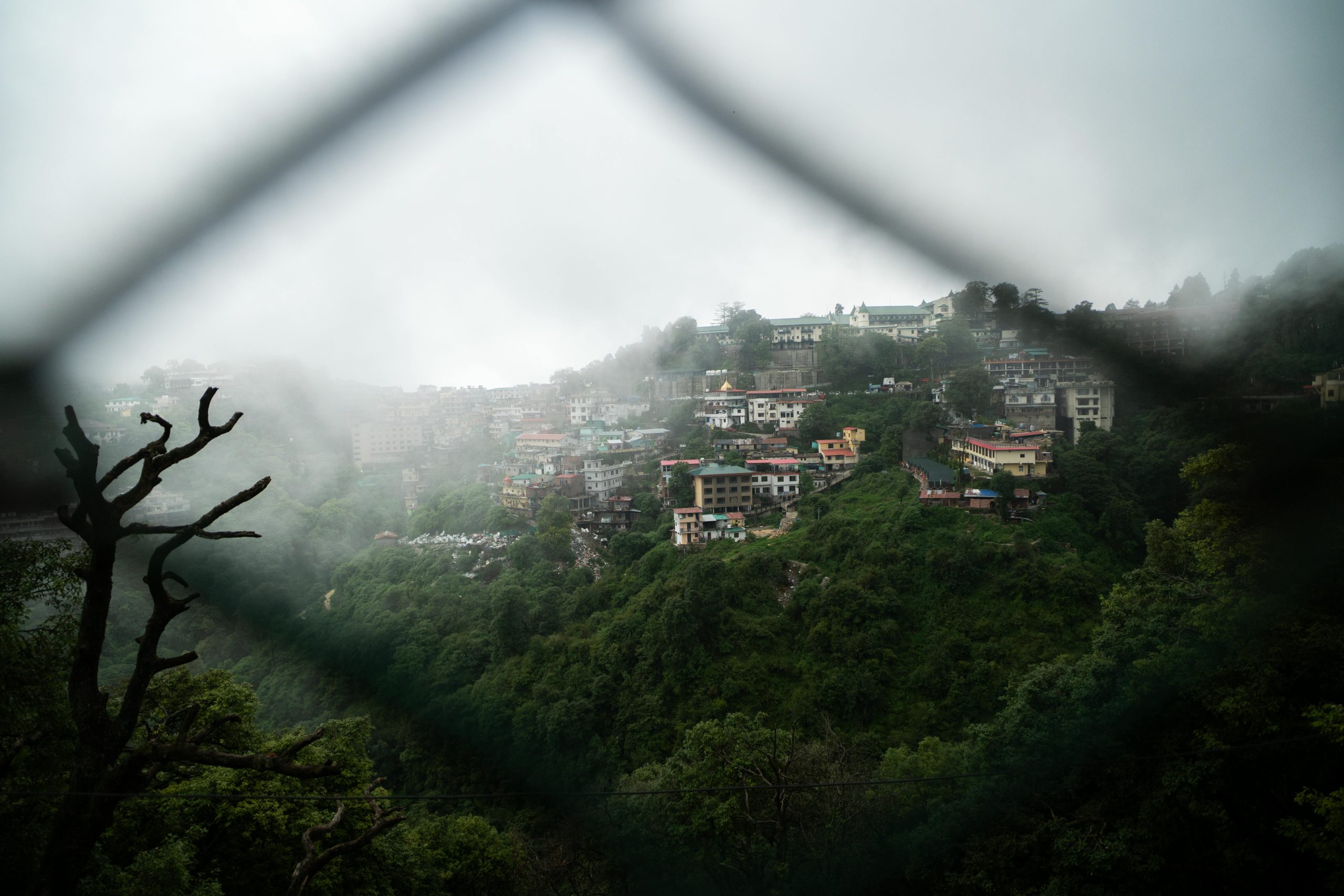
Mussoorie does not need saving — it needs reframing. The standard advice about this Uttarakhand hill station tells you to walk Mall Road, photograph Kempty Falls from a distance, and book a hotel with a ‘valley view.’ That advice is not wrong. It is just wildly incomplete, and following it exclusively means spending roughly ₹8,000–₹15,000 on a trip that feels interchangeable with a dozen other crowded hill stations across North India.
The contrarian truth: Mussoorie’s most rewarding experiences are accessible to anyone willing to walk more than 500 metres from a parking lot. The infrastructure for deeper exploration — trails, dhabas, viewpoints, heritage walks — already exists. Most visitors simply never learn it is there.
The Geography That Makes Mussoorie Work — and the Crowds That Almost Break It
Mussoorie stretches along a ridge of the Garhwal Himalayas for roughly 15 kilometres, from Barlowganj in the west to Happy Valley in the east. That linear layout is crucial information: most tourist infrastructure clusters in a 3-km stretch around Kulri Bazaar and Library Chowk, which means the eastern and western ends of the ridge are genuinely quiet, even in peak May.
Peak season runs from April through June, when Delhi and UP temperatures push families northward. During this window, Mall Road on weekends can feel genuinely unpleasant — shoulder-to-shoulder crowds, ₹400 plates of Maggi, and parking gridlock stretching back toward Dehradun. The monsoon months of July and August bring leeches on forest trails but also waterfalls at full flow, near-empty hotels at 30–40% discounts, and cloud formations that photographers specifically travel for.
Winter — November through February — is the version of Mussoorie that locals actually prefer. Daytime temperatures hover between 5°C and 12°C, snowfall is possible in January, and the Himalayan panorama from Lal Tibba becomes razor-sharp once monsoon haze clears.
Five Places in Mussoorie That Earn Their Distance From Mall Road
Rewarding travel in Mussoorie is a function of willingness to walk or take a shared auto-rickshaw past the postcard-familiar zones. These five areas consistently deliver experiences that justify the effort — and none of them require a guide, a tour package, or advance booking.
Lal Tibba is the highest point on the Mussoorie ridge at 2,275 metres, located in Landour — the quieter cantonment area about 5 km east of Library Chowk. The viewpoint offers a direct sightline to Bandarpoonch, Kedarnath, and Chaukhamba peaks on clear winter mornings. Shared autos run from Kulri Bazaar for approximately ₹30 per seat.
Landour Bazaar itself is the neighbourhood that travel writers consistently describe but visitors consistently skip. The winding lanes around Char Dukan — four old shops that have been serving tea and omelettes since the 1940s — feel genuinely different from the commercial Mall Road. Ruskin Bond, who has lived in Landour for decades, has written extensively about this specific neighbourhood in his Mussoorie memoirs.
- Camel’s Back Road: A 3-km walking track along the ridge’s western face, named for a rock formation resembling a camel’s hump. Best walked at dawn before vehicle traffic. Entry is free.
- George Everest’s House: The ruins of the estate belonging to Sir George Everest — the surveyor after whom the mountain is named — sit at 2,290 metres, roughly 6 km from Library Chowk. The walk is moderate and mostly undone by tourists.
- Bhatta Falls: Located 7 km from Mussoorie town on the Dehradun road, these falls are significantly less visited than Kempty. Entry costs approximately ₹30 per person versus the ₹50–₹100 vehicle charges at Kempty.
- Cloud’s End: The western terminus of the ridge, 6 km from Library Chowk. An old British-era hotel marks the spot where the motor road ends and oak forest begins. Day visits are free.
The Real Cost of a Mussoorie Trip in 2026 — Broken Down Honestly
Budget planning for Mussoorie is complicated by a wide accommodation range and a tendency for food prices to spike 40–60% during peak season. The numbers below reflect March–April 2026 conditions for two adults on a 3-night trip arriving from Delhi by road.
The single biggest cost variable is accommodation. Mussoorie has no shortage of budget guesthouses, particularly in the Landour and Happy Valley areas, where nightly rates for a clean double room with hot water sit between ₹800 and ₹1,200 off-season. The same room during May peak can cost ₹2,500–₹3,500. Booking directly with the property rather than through OTAs typically saves 10–20%.
Food on Mall Road carries a consistent tourist premium. Moving two lanes back into the actual market area — Kulri Bazaar or Landour Bazaar — cuts meal costs roughly in half. A thali at a local dhaba costs ₹120–₹180; the same-sized meal at a Mall Road restaurant runs ₹280–₹450.
What Experienced Mussoorie Travelers Actually Prioritise
Repeat visitors to Mussoorie — and there are many, particularly families from Delhi NCR who treat it as an annual trip — develop a specific set of preferences that diverge sharply from first-timer itineraries. The pattern is consistent: less time on Mall Road, more time in Landour, earlier starts, and a deliberate avoidance of the Kempty Falls parking circus.
The Gun Hill ropeway — at ₹175 per person one way as of early 2026 — is one of the few tourist infrastructure investments that delivers genuine value. The aerial view of the Doon Valley from Gun Hill (2,122 metres) takes about 400 seconds on the cable car and offers a perspective on the geography that no road-level vantage point matches. Lines form quickly after 10 AM; arriving before 9 AM eliminates the wait entirely.
The Mussoorie Lake, located 6 km from Library Chowk on the Dehradun road, is maintained by the Mussoorie Dehradun Development Authority and charges an entry fee of approximately ₹30 per person. Boating is available at ₹100–₹150 per boat for 30 minutes. It is not a spectacular lake by Himalayan standards, but it functions well as a peaceful hour-long stop, particularly for families with young children.
Getting There and Getting Around: The Logistics That Actually Matter
Mussoorie has no railway station. The nearest railheads are Dehradun (35 km, approximately 1.5 hours by road) and Haridwar (90 km, approximately 3 hours). Volvo buses from Delhi’s ISBT Kashmere Gate run directly to Mussoorie — journey time is approximately 7–8 hours and tickets cost ₹500–₹700 per person. Private taxis from Dehradun railway station to Mussoorie cost ₹700–₹900 for a full cab.
Within Mussoorie, the shared auto-rickshaw network is efficient and cheap — ₹20–₹40 per seat for most intra-town journeys. Private autos charge ₹150–₹300 depending on distance. Hiring a private taxi for a full-day local sightseeing circuit (Kempty, George Everest, Mussoorie Lake) typically costs ₹1,500–₹2,200.
One practical note about the Dehradun–Mussoorie road: the 36-km stretch via Rajpur Road becomes severely congested on Friday evenings and Sunday afternoons during peak season. The journey that takes 1.5 hours on a Tuesday morning can take 3.5–4 hours on a Sunday afternoon in May. Adjusting departure times by two hours in either direction eliminates most of this.
What Makes Mussoorie Worth Returning To
Mussoorie in March 2026 is not a quiet, undiscovered destination — it processes millions of visitors annually and has for over a century. The argument here is not that it is pristine. It is that its better qualities are structurally separated from its most crowded ones, and that separation is navigable with basic information.
The Himalayan panorama from Lal Tibba on a clear January morning, Ruskin Bond’s literary Landour still largely intact around Char Dukan, the oak and rhododendron forest on the road to Cloud’s End in spring — these are not secret. They are simply not the things that get photographed at the ropeway ticket counter and shared to Instagram by 11 AM. They require a slightly different pace, and they reward it.
For families, couples, and solo travelers from Delhi NCR looking for a hill station that delivers genuine respite without a 12-hour journey, Mussoorie at its best remains a legitimate answer. The key is knowing which 15% of the ridge to prioritise — and which parking lots to skip entirely.
Frequently Asked Questions
{“@context”:”https://schema.org”,”@type”:”FAQPage”,”mainEntity”:[{“@type”:”Question”,”name”:”What is the best time to visit Mussoorie in 2026?”,”acceptedAnswer”:{“@type”:”Answer”,”text”:”October through March offers the clearest Himalayan views and thinnest crowds. January can bring snowfall. Peak season (April–June) has the warmest weather but significant crowds on Mall Road and highways.”}},{“@type”:”Question”,”name”:”How far is Mussoorie from Delhi and what does the journey cost?”,”acceptedAnswer”:{“@type”:”Answer”,”text”:”Mussoorie is approximately 290 km from Delhi via NH-58. Volvo buses from ISBT Kashmere Gate cost ₹500–₹700 per person and take 7–8 hours. A private taxi from Dehradun station (35 km away) costs ₹700–₹900.”}},{“@type”:”Question”,”name”:”Is Mussoorie expensive for a budget traveler?”,”acceptedAnswer”:{“@type”:”Answer”,”text”:”A 3-night trip for two adults on a budget is achievable for ₹4,200–₹6,400, staying in Landour guesthouses (₹800–₹1,200/night) and eating at dhabas in Kulri or Landour Bazaar rather than Mall Road restaurants.”}},{“@type”:”Question”,”name”:”What is Landour and why do repeat visitors prefer it to Mall Road?”,”acceptedAnswer”:{“@type”:”Answer”,”text”:”Landour is a cantonment area 5 km east of Library Chowk, home to the highest point on the ridge (Lal Tibba at 2,275m) and the historic Char Dukan tea shops. It is quieter, cheaper, and architecturally more intact than the commercial Mall Road zone.”}},{“@type”:”Question”,”name”:”Is the Gun Hill ropeway worth the cost?”,”acceptedAnswer”:{“@type”:”Answer”,”text”:”At ₹175 per person one way (early 2026 rates), the Gun Hill ropeway offers a 400-second aerial view of the Doon Valley from 2,122 metres. Arriving before 9 AM avoids queues. Most experienced visitors consider it one of the few paid tourist attractions in Mussoorie that delivers clear value.”}}]}