
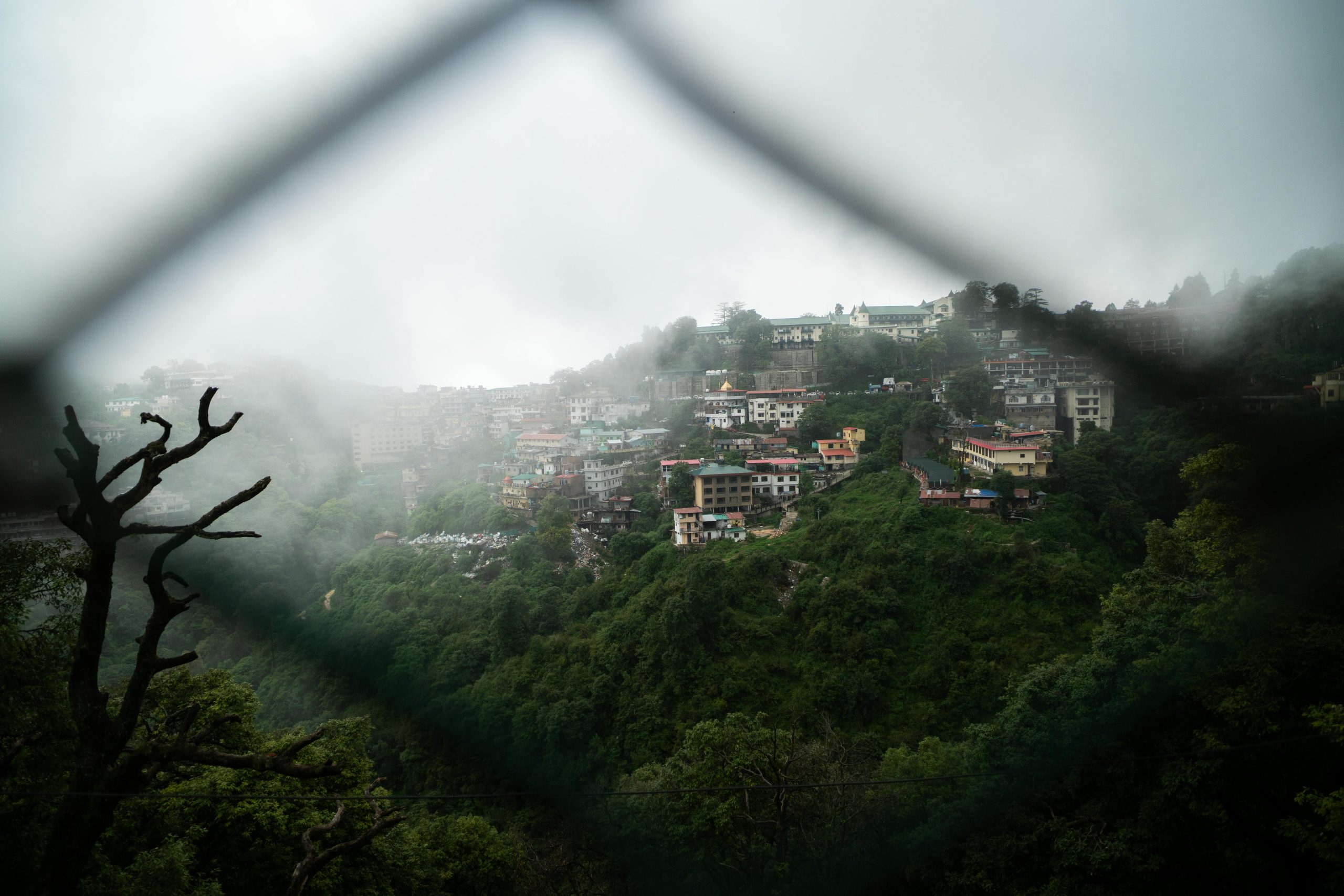
Priya and her husband arrived in Mussoorie on a Friday evening in October, checked into a hotel on Mall Road they had booked for ₹3,200 a night, and spent most of Saturday standing in a traffic jam near Kempty Falls. By Sunday afternoon, they were back on the bus to Delhi, underwhelmed and lighter by nearly ₹12,000. “I don’t get what the fuss is about,” Priya posted in a travel group later that night. Within hours, a local resident from Landour replied with a single sentence: “You saw the tourist version. The town itself is something else.”
That exchange captures the exact problem with how most Indian domestic travelers approach Mussoorie. The Queen of Hills — sitting at roughly 2,000 metres in the Garhwal Himalayan foothills of Uttarakhand — is legitimately beautiful. But the version most people experience is a congested, overpriced corridor between two bus stands. The actual Mussoorie, with its colonial-era libraries, ridge walks, and quiet dhabas, requires almost no extra effort to reach. It just requires knowing where to look.
Getting to Mussoorie Without the Chaos
The single biggest mistake travelers make is arriving in Mussoorie by private car on a Friday evening between June and September. The 35-kilometre stretch from Dehradun to Mussoorie — which should take 45 minutes — routinely takes 3 to 4 hours during peak season weekends due to one-way traffic restrictions and sheer volume. There is a straightforward fix: take the Volvo or ordinary bus from Dehradun’s ISBT Parade Ground instead.
Buses to Mussoorie run roughly every 20 to 30 minutes from Dehradun ISBT and cost between ₹60 and ₹120 depending on the service. They use a dedicated lane during restriction hours and typically reach the Library Bus Stand in under an hour. If you are coming directly from Delhi, the overnight Volvo to Dehradun (₹550 to ₹800, booked via UPSRTC or UTC online) drops you at Dehradun by 5 AM — giving you a full morning in Mussoorie before the day crowds arrive.
Arriving at the Library Bus Stand (also called Masonic Lodge) puts you at the western end of Mall Road, which is generally less crowded than the Picture Palace end. From here, most guesthouses on the Camel’s Back Road and Landour are reachable on foot with luggage in under 15 minutes.
Where to Actually Stay — And What to Avoid
Mall Road hotels are not worth their price for most travelers. A ₹2,500-per-night room on Mall Road buys you noise, traffic fumes, and a view of the road. The same money — or often less — gets you a significantly better experience on Camel’s Back Road, the Landour Bazaar stretch, or the Sisters Bazaar area.
Landour, technically a separate cantonment area about 2 kilometres east of the main Mall Road, is where most of Mussoorie’s quieter guesthouses sit. Budget options here start around ₹800 to ₹1,200 per night for a clean double room with hot water and a valley view. Mid-range guesthouses with attached bathrooms, heating, and breakfast included are available from ₹1,500 to ₹2,200.
What to See — Starting With What to Skip
Kempty Falls is the most visited waterfall in Uttarakhand and, during peak season, arguably the most overcrowded. The falls themselves are genuinely impressive — a 40-metre cascade dropping into a wide pool — but the experience on a weekend involves shared changing rooms, loud music from nearby stalls, and water that is far from clear by afternoon. If you are visiting between November and March, Kempty is worth a morning trip simply because the crowds are thin. Otherwise, consider it optional.
The places that consistently deliver are often the ones that don’t appear on the standard itinerary lists. Lal Tibba, the highest point in Mussoorie at approximately 2,275 metres, has a telescope that on clear days offers views of Badrinath, Kedarnath, Bandarpunch, and Gangotri peaks. Entry is free. The walk from Landour Chowk to Lal Tibba takes about 20 minutes and passes through the old cantonment area, where some of the most intact colonial-era buildings in any Indian hill station still stand.
- Camel’s Back Road: A 3-kilometre loop walk along the ridge, best at sunrise. No vehicles allowed. Entry free.
- Char Dukan (Landour): Four small shops near Lal Tibba serving tea, maggi, and homemade cakes — a Landour institution for over a century.
- Mussoorie Heritage Centre: Small museum on the history of the town, located near the Library Bus Stand. Entry approximately ₹30–₹50.
- Gun Hill via ropeway: The ropeway costs ₹150 per person (round trip) and reaches the second-highest point in Mussoorie. Go early — the views close in by 10 AM on most days.
- Jwala Devi Temple: A 45-minute trek above Landour with panoramic Doon Valley views. Rarely crowded even in peak season.
Food: The Budget Breakdown That Actually Makes Sense
Food in Mussoorie follows a straightforward rule: the further you are from the Cable Car ropeway and Picture Palace end of Mall Road, the cheaper and better it gets. A plate of rajma chawal at a dhaba on Landour Bazaar costs ₹80 to ₹120. The same meal repackaged as “Garhwali thali” in a tourist-facing restaurant on Mall Road runs ₹250 to ₹400.
Momos are everywhere and genuinely good — the standard jhol momo (momos in soup broth) at small counters near Landour Chowk costs ₹60 to ₹80 for a plate of eight. Tibetan food in the Landour area reflects the town’s long connection with Tibetan communities and tends to be filling, inexpensive, and worth seeking out. For a sit-down meal, look for dhabas displaying handwritten menus rather than laminated boards with photographs — the former almost always indicates a local customer base and honest pricing.
Char Dukan in Landour deserves its own mention. The four shops — Prakash Store, Anil’s, Uncle’s, and a fourth that has changed names over the years — have been feeding walkers and residents since the early 1900s. Ruskin Bond, who lived in Landour for decades, wrote about them repeatedly. The banana cake at Prakash Store (approximately ₹50 a slice) and the ginger tea at Anil’s are the specific things worth going for. The setting — a small clearing at roughly 2,200 metres with oak trees overhead — is the actual draw.
The Best Season Nobody Talks About
October to early December is, by a significant margin, the best time to visit Mussoorie — and it is the period least likely to appear on “best time to visit” lists because it does not generate dramatic photos of snow or fields of rhododendrons. What it offers is clearer skies than any other month, temperatures between 8°C and 18°C during the day, almost no crowds after mid-October, and accommodation prices that drop by 30 to 50 percent compared to May and June peaks.
March and April are also underrated. The rhododendrons bloom across the slopes between late February and early April, temperatures are mild, and the monsoon chaos is still two months away. Visibility for Himalayan peaks is reasonable in early morning, though not as sharp as post-monsoon October. The one month to genuinely avoid for most travelers is July and August — the roads are slippery, landslides cause unpredictable closures on the Dehradun-Mussoorie highway, and the town sees its highest rainfall of the year.
Frequently Asked Questions
{“@context”:”https://schema.org”,”@type”:”FAQPage”,”mainEntity”:[{“@type”:”Question”,”name”:”What is the best time to visit Mussoorie for clear Himalayan views?”,”acceptedAnswer”:{“@type”:”Answer”,”text”:”October to early December offers the clearest Himalayan views from Mussoorie. Post-monsoon skies are sharply clear, and from Lal Tibba (2,275 m) you can see peaks including Badrinath and Kedarnath on most mornings. Crowds are significantly thinner after mid-October and hotel prices drop 30–50% compared to peak summer rates.”}},{“@type”:”Question”,”name”:”How much does it cost to travel from Delhi to Mussoorie by bus?”,”acceptedAnswer”:{“@type”:”Answer”,”text”:”An overnight Volvo bus from Delhi to Dehradun costs approximately ₹550–₹800 (booked via UPSRTC or UTC). From Dehradun ISBT, local buses to Mussoorie cost ₹60–₹120 per person. Total one-way travel cost per person from Delhi to Mussoorie by bus is approximately ₹650–₹920.”}},{“@type”:”Question”,”name”:”Is Landour worth visiting, or is it just for Ruskin Bond fans?”,”acceptedAnswer”:{“@type”:”Answer”,”text”:”Landour is genuinely worth visiting regardless of your interest in Ruskin Bond’s writing. It sits about 2 kilometres east of Mall Road at a higher elevation, with quieter roads, intact colonial-era buildings, and the Char Dukan tea shops that have operated since the early 1900s. Budget guesthouses here start at ₹800 per night — significantly cheaper than Mall Road hotels of equivalent quality.”}},{“@type”:”Question”,”name”:”Are there traffic restrictions on the Dehradun-Mussoorie road?”,”acceptedAnswer”:{“@type”:”Answer”,”text”:”Yes. During peak season (May–June and major holidays), Uttarakhand Traffic Police enforce one-way restrictions on the Dehradun-Mussoorie highway to manage congestion. These can cause private vehicle delays of 2–4 hours on weekends. Buses use a separate lane and are largely unaffected. Check the Uttarakhand Police traffic advisory before driving up on a weekend.”}},{“@type”:”Question”,”name”:”What does a complete 2-night Mussoorie trip cost per person?”,”acceptedAnswer”:{“@type”:”Answer”,”text”:”A realistic per-person budget for a 2-night Mussoorie trip from Delhi: bus travel (₹1,300–₹1,840 return), accommodation at a Landour guesthouse (₹800–₹1,200 per night, split between two), food (₹300–₹500 per day), and entry/ropeway fees (₹200–₹300 total). Total comes to approximately ₹3,800–₹5,500 per person for a well-planned budget trip.”}}]}