
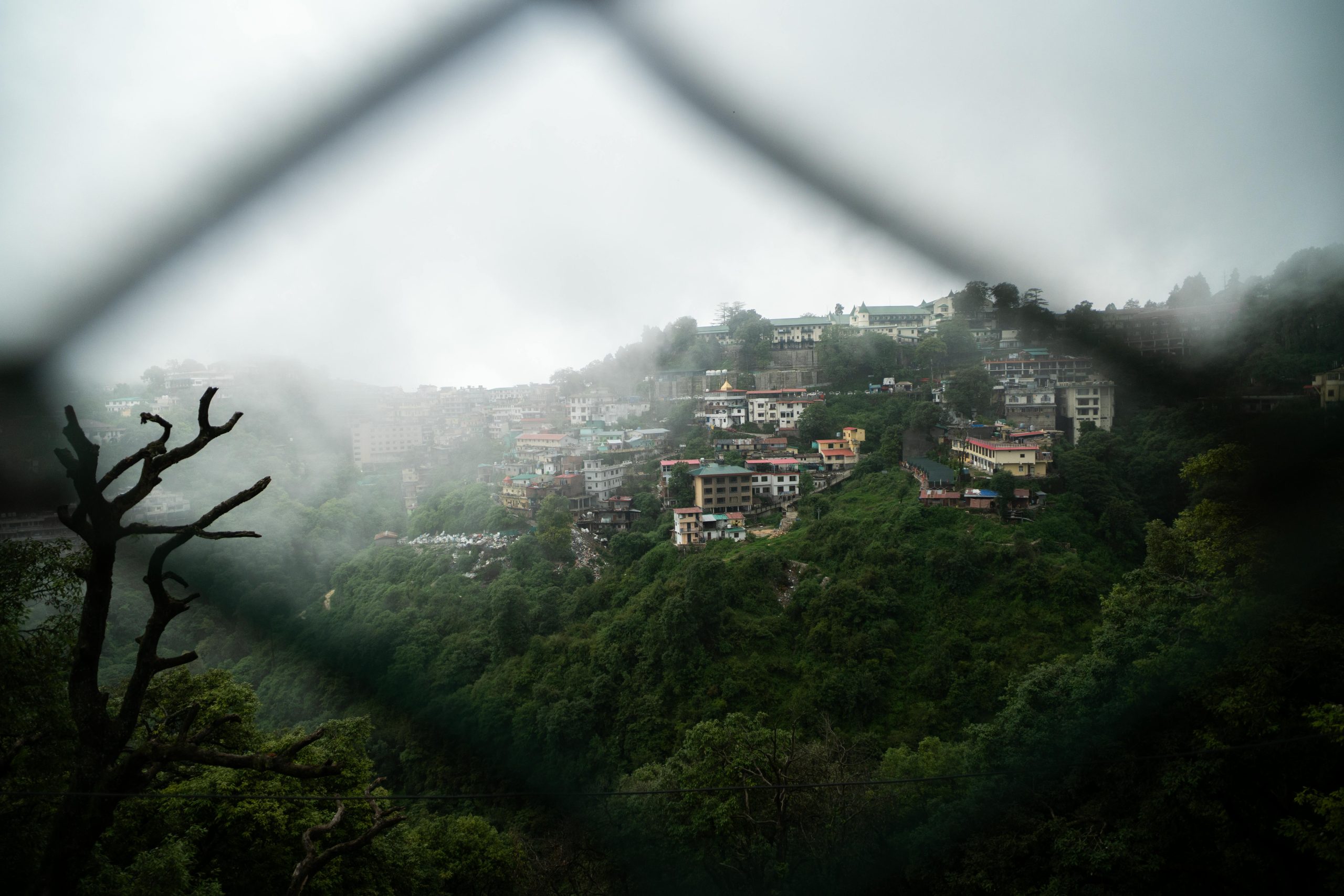
Approximately 15 lakh tourists visit Mussoorie every single year, making it one of the most trafficked hill stations in all of India. Yet a striking number of those visitors spend 90% of their time on a single 2-kilometre stretch of tarmac called Mall Road — and leave wondering why everyone made such a fuss. The Queen of Hills has earned that title honestly, but only if you know where to look.
This is not a list of waterfalls you have already Googled. This is a ground-level breakdown of what Mussoorie actually costs in 2026, which months genuinely reward the journey, and which experiences separate a forgettable weekend from a trip you will recount for years.
The Real Numbers Behind a Mussoorie Trip in 2026
Budget travel to Mussoorie is entirely achievable, but the range is enormous. A solo backpacker staying in a hostel dorm can manage the trip for ₹2,800–₹3,500 for three days, including travel from Delhi. A couple in a mid-range hotel with decent meals and a few paid attractions will realistically spend ₹8,000–₹12,000 for the same duration. Families with children in a premium property on the Mall Road can easily cross ₹25,000 over a weekend.
The single biggest variable is accommodation — Mussoorie hotels have notoriously aggressive peak-season pricing. A room that costs ₹1,800 in January can jump to ₹6,500 for the same dates in May or October. Booking at least 3 weeks in advance during peak season is not just advice, it is financial protection.
Food costs are moderate compared to other hill stations. A meal for two at a good mid-range restaurant on Kulri Bazaar or near Landour runs ₹600–₹900. Maggi and momos at roadside stalls cost ₹60–₹120. The Tavern on Mall Road, one of Mussoorie’s oldest restaurants, charges slightly more but offers consistent quality and is worth the premium once per trip.
Season by Season: When Mussoorie Actually Delivers
The honest answer most travel sites avoid is this: May and June are crowded beyond comfort. Traffic on the Dehradun-Mussoorie road can stretch to 4–5 hours for what should be a 45-minute climb. Roads clog, hotels inflate rates, and the town feels less like a hill escape and more like a Delhi neighbourhood at altitude. If these are your only available months, go — but manage expectations aggressively.
The months that offer the best overall experience are March–April and September–November. In spring, the rhododendrons along the Camel’s Back Road are in full bloom, temperatures hover between 8°C and 20°C, and crowds are manageable. Post-monsoon October is arguably the finest month — the air is scrubbed clean, Himalayan peaks visible from Gun Hill are sharp and close-looking, and hotel rates drop by 20–30%.
Winter deserves special mention. December and January bring snowfall, and while temperatures drop to sub-zero at night, daytime walks along a snow-covered Mall Road have a quality that no other season replicates. Hotels drop their rates sharply — rooms available for ₹1,500–₹2,500 that cost four times as much in May — and the town regains something that feels genuinely serene.
What Most Visitors Skip — And Should Not
Mall Road is not the problem. The problem is that most visitors treat it as the destination rather than the starting point. Mussoorie’s real character lives in its quieter corners, and they require only slightly more effort to reach.
Landour sits 300 metres above Mall Road and is accessible by a 20-minute walk or a short cab ride. It is a former British cantonment that has changed remarkably little — colonial-era cottages, a working clock tower, and Char Dukan, a cluster of four small shops that serve some of the best maggi, omelettes, and chai you will find anywhere in the Garhwal hills. The author Ruskin Bond has lived in Landour for decades, and the neighbourhood bears his literary imprint everywhere from the bookshop selections to the names of small cafes.
- Camel’s Back Road — A 3-km circular walking path offering unobstructed Himalayan views, especially beautiful at sunrise. Free entry, best before 8 AM to avoid motor traffic.
- Jwala Devi Temple — Located 9 km from Mall Road on the Benog Hill ridge, accessible by car or a moderate trek. Far fewer tourists than Kempty Falls and genuinely peaceful.
- George Everest’s House — The estate of Sir George Everest, the surveyor after whom the world’s highest peak is named, sits 6 km from Mall Road. The ruins are atmospheric, the sunset view across the Doon Valley is extraordinary, and entry is free.
- Benog Wildlife Sanctuary — A 342-hectare forest reserve 11 km from town. Langur monkeys, barking deer, and over 150 bird species including the cheer pheasant are regularly spotted. The Mundra Danda peak within the sanctuary sits at 2,290 metres.
Getting There, Getting Around, and Getting It Right
The nearest railway station is Dehradun, 34 km from Mussoorie. Multiple daily trains connect Delhi to Dehradun — the Shatabdi Express from New Delhi station takes approximately 5.5 hours and costs roughly ₹800–₹1,200 in chair car class. From Dehradun station, shared taxis to Mussoorie run from the taxi stand outside and cost ₹150–₹200 per seat. Private cabs cost ₹700–₹900 for the full vehicle.
By road from Delhi, the NH58 route via Haridwar covers approximately 290 km. In light traffic, this takes 5.5–6 hours. Avoid Friday evening departures at all costs — the Roorkee–Haridwar stretch and the Dehradun–Mussoorie climb both become gridlocked. Saturday morning departures before 6 AM are significantly smoother.
Within Mussoorie itself, walking is often faster than driving. The stretch between Kulri Bazaar, Library Chowk, and the Picture Palace can be navigated comfortably on foot. The hill’s winding one-way road system means cabs frequently take three times longer than your legs would.
What the Next Few Months Look Like for Mussoorie in 2026
Spring 2026 (March–April) is shaping up as the strongest window for first-time visitors. Uttarakhand Tourism has invested in improving the Dehradun–Mussoorie road widening project, and sections near Shahanshahi Ashram that caused chronic bottlenecks have been upgraded. Travel times from Dehradun to Mall Road should be more consistently under one hour for most of the spring season.
The Mussoorie Heritage Walk initiative, run in collaboration with local historians and the Landour Language School, has added two new routes in 2026 covering colonial-era architecture and the literary history of Landour. These guided walks cost ₹400–₹600 per person and last approximately 2.5 hours. For visitors with even a passing interest in history, they represent some of the best value in town.
Summer 2026 will once again see the Mussoorie–Landour Flower Show typically held at the Company Garden in late May — dates are announced by the Mussoorie Municipal Board each year and draw significant crowds. If flower shows are your reason to visit, this is the moment. If you are seeking quiet, this is the moment to stay home.
The Honest Conclusion Most Travel Pieces Avoid
Mussoorie rewards the visitor who treats it as a slow hill town rather than a checklist of attractions. The travellers who leave disappointed are almost always those who crammed in five paid attractions in two days, ate at the most visible restaurants on Mall Road, and spent more time in a cab than on foot. The ones who come back are those who spent a morning at Char Dukan in Landour with no agenda, walked Camel’s Back Road at dawn, and let the mountains do their work quietly.
At ₹3,500 for a solo budget trip or ₹12,000 for a couple with mid-range expectations, Mussoorie in 2026 remains one of the most accessible mountain escapes from North India. The Queen of Hills has not lost her charm — most visitors simply have not gone looking for it in the right places.
Frequently Asked Questions
{“@context”:”https://schema.org”,”@type”:”FAQPage”,”mainEntity”:[{“@type”:”Question”,”name”:”What is the cheapest month to visit Mussoorie in 2026?”,”acceptedAnswer”:{“@type”:”Answer”,”text”:”January and February offer the lowest hotel rates, with rooms available from ₹1,500–₹2,500 per night. Crowds are minimal, snowfall is possible, and the same properties can cost ₹6,500+ during May peak season.”}},{“@type”:”Question”,”name”:”How far is Mussoorie from Delhi and what is the best way to get there?”,”acceptedAnswer”:{“@type”:”Answer”,”text”:”Mussoorie is approximately 290 km from Delhi. The fastest reliable option is the Dehradun Shatabdi Express (5.5 hours, ₹800–₹1,200 chair car), followed by a shared taxi from Dehradun station (₹150–₹200 per seat) up the 34 km hill road.”}},{“@type”:”Question”,”name”:”Is Mussoorie worth visiting during monsoon season?”,”acceptedAnswer”:{“@type”:”Answer”,”text”:”July–August sees lower crowds and budget hotel rates, but the Dehradun–Mussoorie road is prone to landslides. The Uttarakhand State Disaster Management Authority advises checking road conditions daily before travel during these months.”}},{“@type”:”Question”,”name”:”What is Char Dukan in Landour and why do travelers recommend it?”,”acceptedAnswer”:{“@type”:”Answer”,”text”:”Char Dukan is a cluster of four small shops in Landour Bazaar, roughly 300 metres above Mall Road. It serves maggi, omelettes, and chai and is a social hub in the neighbourhood where author Ruskin Bond has lived for decades. Prices range from ₹60–₹150 per item.”}},{“@type”:”Question”,”name”:”How much does a full-day sightseeing cab cost in Mussoorie?”,”acceptedAnswer”:{“@type”:”Answer”,”text”:”A registered cab from the Mall Road taxi stand for 8 hours of local sightseeing — covering spots like Kempty Falls, George Everest’s House, and Benog Wildlife Sanctuary — typically costs ₹1,200–₹1,800 depending on the season and negotiation.”}}]}