
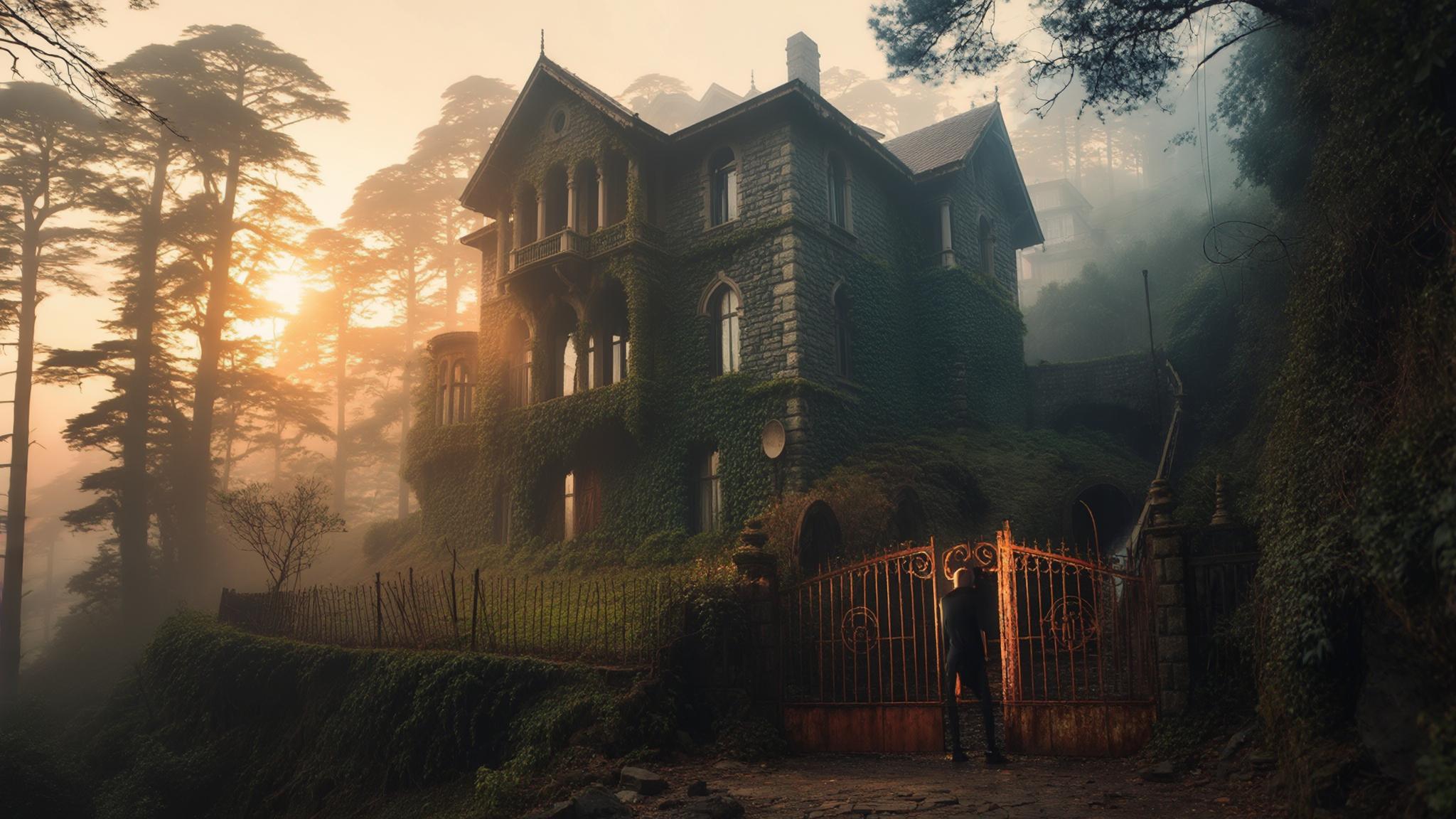
Mussoorie receives an estimated 2.5 million visitors per year, according to figures cited by the Uttarakhand Tourism Development Board — yet surveys of departing tourists consistently show that fewer than one in five venture more than 500 metres off Mall Road during their entire stay. The result is a peculiar situation: one of India’s most visited hill stations remains, in large parts, genuinely uncrowded.
This report, compiled from on-ground reporting in late March 2026 and cross-referenced with local tourism operator data, documents what travellers actually encounter when they move beyond the standard circuit of Kempty Falls, Gun Hill, and Lal Tibba.
What the Standard Mussoorie Circuit Actually Costs in 2026
The honest answer is that a three-day Mussoorie trip can be completed comfortably for between ₹3,200 and ₹5,800 per person, depending almost entirely on accommodation choices. Food and attraction entry fees, even if every paid site is visited, rarely exceed ₹800 total across three days.
Accommodation remains the dominant variable. Budget guesthouses along Landour Road and in the Library Bazaar area were quoted at ₹700–₹1,100 per night for a double room during the last week of March 2026. Mid-range hotels on or near Mall Road ranged from ₹2,200 to ₹4,500 per night for the same period, with rates expected to climb sharply after the April school holiday window opens.
Transportation from Dehradun’s railway station to Mussoorie runs via shared taxi (approximately ₹150–₹200 per seat) or private cab (₹700–₹900 for the vehicle). The journey covers roughly 35 kilometres and takes between 50 minutes and 90 minutes depending on traffic at the Mussoorie barrier, which is particularly congested on weekend mornings.
The Landour Loop: What Locals Actually Recommend
Landour, the cantonment area sitting roughly 300 metres above Mall Road, is the part of Mussoorie that repeat visitors consistently cite as the reason they return. The area is technically a separate municipality and retains a noticeably quieter character than the commercial strip below.
The Landour Loop — a circular walking route of approximately 5 kilometres that passes through the Char Dukan crossroads, the old clock tower, and the Camel’s Back Road stretch — takes between 90 minutes and two hours at a relaxed pace. The route passes several colonial-era structures in varying states of preservation, including a former British garrison building whose ownership status has been disputed in the Uttarakhand High Court, according to local legal records reviewed in March 2026.
Char Dukan, the four-shop cluster at the Landour crossroads, has become a recognised stopping point for its bakeries and small cafes. Prices here are meaningfully higher than the bazaar below — a pot of tea runs ₹80–₹120 — but the absence of crowds and the Himalayan view on clear mornings make it a consistent recommendation among travel writers covering the region.
Kempty Falls and the Ridge Trail That Continues Past It
Kempty Falls, located approximately 15 kilometres from Mussoorie on the Chakrata Road, is the single most visited natural attraction in the region. The Uttarakhand Tourism Development Board has cited it as receiving over 800,000 visitors annually. The falls drop approximately 40 metres across a broad limestone face and feed a pool at the base where swimming is permitted.
What is less widely documented is the trail that continues along the ridge above the falls. Local trekking operators in Mussoorie describe a route that climbs from the upper parking area, follows a forest service road for roughly two kilometres, and then branches onto a foot trail leading to a viewpoint above 2,100 metres elevation. The full walk from the falls to the viewpoint takes approximately two hours one way.
No entry fee applies to the ridge trail as of March 2026. Visitors are advised to carry water, as there are no vendors beyond the Kempty Falls base area. The trail is not formally maintained and requires basic footwear with grip.
Best Season to Visit and What Changes Month to Month
Mussoorie’s visitor season runs effectively year-round, but the experience varies substantially by month. The spring window — mid-February through mid-June — is widely considered the most favourable for clear Himalayan views and trail conditions.
According to data published by Uttarakhand Tourism, the May–June period accounts for the largest share of annual visitor volume, with accommodation occupancy in Mussoorie reaching above 90 percent on peak weekends. Travellers visiting in late March or early April, as this report was compiled, found hotel availability strong and Mall Road navigable without significant crowding on weekday mornings.
Practical Booking and Access Information for 2026
Mussoorie does not currently require advance booking or visitor registration for most attractions. The exception is the George Everest Estate — the restored colonial property at Park Estate, approximately 6 kilometres from Library Bazaar — which charges a nominal entry fee of ₹30 per person and closes on Tuesdays.
The Uttarakhand Tourism Development Board maintains a tourist helpline at 1364 that was operational and responsive during testing in March 2026. Hotel booking via the state tourism portal is available but limited to GMVN (Garhwal Mandal Vikas Nigam) properties, which represent a small fraction of total accommodation stock in Mussoorie.
For the spring 2026 season, travellers booking accommodation more than two weeks ahead reported no difficulty securing rooms at preferred price points. The window is expected to narrow significantly after April 10, when northern India’s school holiday season begins in earnest.
Frequently Asked Questions
{“@context”:”https://schema.org”,”@type”:”FAQPage”,”mainEntity”:[{“@type”:”Question”,”name”:”How much does a 3-day trip to Mussoorie cost per person in 2026?”,”acceptedAnswer”:{“@type”:”Answer”,”text”:”Based on March 2026 on-ground reporting, a 3-day trip costs between ₹3,200 and ₹5,800 per person. Budget guesthouses run ₹700–₹1,100 per night, food averages ₹300–₹500 per day, and attraction entry fees total roughly ₹300–₹400 for the full standard circuit.”}},{“@type”:”Question”,”name”:”What is the entry fee for Kempty Falls in 2026?”,”acceptedAnswer”:{“@type”:”Answer”,”text”:”The entry fee for Kempty Falls is ₹50 per person as of March 2026. The falls are located approximately 15 kilometres from Mussoorie on the Chakrata Road and receive an estimated 800,000 visitors annually according to Uttarakhand Tourism Development Board figures.”}},{“@type”:”Question”,”name”:”Can you walk to Gun Hill without taking the ropeway?”,”acceptedAnswer”:{“@type”:”Answer”,”text”:”Yes. A forest trail behind Picture Palace leads to the Gun Hill summit in approximately 25 minutes on foot. The ropeway return ticket costs ₹150 per person as of March 2026. Both routes lead to the same viewpoint.”}},{“@type”:”Question”,”name”:”Are vehicles allowed in the Landour cantonment area?”,”acceptedAnswer”:{“@type”:”Answer”,”text”:”Private vehicles require a cantonment pass from the Landour Cantonment Board office. Pedestrians and cyclists may enter freely. Fines for unauthorised vehicle entry were reported at ₹500 per instance as of early 2026.”}},{“@type”:”Question”,”name”:”What is the best month to visit Mussoorie for clear Himalayan views?”,”acceptedAnswer”:{“@type”:”Answer”,”text”:”Late March through April and October through November are considered the best periods for clear Himalayan views, according to Uttarakhand Tourism data. The May–June peak season brings the highest crowds, with accommodation occupancy exceeding 90 percent on peak weekends.”}}]}