
Have you ever arrived somewhere you had been dreaming about for months, only to feel — within the first hour — like you had somehow missed the point? That particular brand of travel disappointment is disturbingly common in Mussoorie, and it has nothing to do with the destination itself.
Mussoorie, perched at roughly 2,005 metres above sea level in the Garhwal Himalayas of Uttarakhand, is one of India’s most visited hill stations. Approximately 30 lakh tourists pass through its winding roads every year, according to Uttarakhand Tourism estimates. The vast majority spend their time on Mall Road, click the same photographs at Kempty Falls, eat at the same three restaurants recommended on aggregator sites, and leave feeling vaguely cheated.
The Queen of Hills has not let them down. The itinerary has.
The Setup: Why Mussoorie Became a Tourist Cliché (And Why That Is Reversible)
Mussoorie’s reputation as a weekend getaway from Delhi and the NCR region is both its greatest asset and its biggest curse. At roughly 290 km from Delhi via the Dehradun route, it sits at the perfect distance — far enough to feel like an escape, close enough to make a Friday-to-Sunday trip entirely reasonable. That proximity created a tourism economy built almost entirely around speed and volume.
The result is a commercial strip that can feel overwhelming during peak season (April through June and the October long weekends), with honking traffic, overpriced fudge shops, and a cable car queue that tests even the most patient traveler. First-time visitors often mistake this strip for the whole of Mussoorie. It is not even close.
The hill station extends in multiple directions from Mall Road — toward Landour in the east, toward Barlowganj and Benog Wildlife Sanctuary in the west, and down into quieter valleys most tourists never bother to explore. Each of these areas has a character so distinct from the main drag that they might as well be separate destinations.
Landour: The Neighbourhood That Mussoorie Forgot to Commercialise
Walk east from the Clock Tower on Mall Road for about 20 minutes — or take a shared auto for ₹15 — and Mussoorie dissolves into something older and quieter. Landour, a cantonment area sitting approximately 300 metres higher than Mall Road at around 2,270 metres, feels like a different era altogether.
The streets here are narrow, lined with colonial-era stone buildings, Char Dukan (the four-shop square that has become a quiet institution for coffee and conversation), and deodar trees tall enough to make you feel small. The writer Ruskin Bond has lived in Landour for decades, and his presence has drawn a particular kind of literary and artistic community to the area.
The Landour Bakehouse, a small café near the cantonment, serves filter coffee and banana bread that regulars plan entire trips around. Char Dukan itself — comprising four small shops — offers nothing more elaborate than chai, Maggi, and omelettes, yet on a clear morning with the Himalayan range visible in the distance, it is difficult to imagine a better breakfast setting in all of Uttarakhand.
Lal Tibba, the highest point in Mussoorie at approximately 2,275 metres, is accessible from Landour and offers a telescope viewing experience where, on clear days, peaks including Bandarpunch and Kedarnath are visible. Entry to the telescope viewpoint costs around ₹30-50 per person — a figure so small it barely registers, yet most group tours skip it entirely in favour of the Gun Hill cable car.
The Real Cost Breakdown: What a Mussoorie Trip Actually Requires in 2026
Budget anxiety ruins more Mussoorie trips than bad weather does. The perception that Mussoorie is an expensive destination causes many travelers to either overspend in resignation or under-plan in resentment. The reality is more nuanced — and more manageable — than either extreme suggests.
Here is how a practical cost breakdown looks for a couple spending two nights in Mussoorie during shoulder season (March or September):
- Transport (Delhi to Dehradun by train, then shared taxi to Mussoorie): approximately ₹500-700 per person each way
- Accommodation (budget to mid-range guesthouse, 2 nights): ₹1,200 to ₹2,800 per room per night depending on season and location
- Food (local dhabas, chai stalls, one sit-down meal per day): ₹400-600 per person per day
- Attractions (Gun Hill cable car ₹175-200 per person, Kempty Falls entry ₹30-50, Lal Tibba telescope ₹30-50): roughly ₹400 total per person
- Local transport (shared autos, walking): ₹100-150 per day per person
A couple traveling consciously can complete a two-night Mussoorie trip for approximately ₹8,000-10,000 total — far below what hotel booking platforms suggest when they default to peak-season luxury listings.
Benog Wildlife Sanctuary and the Western Slopes: Where the Crowds Actually Disappear
Most Mussoorie visitors have never heard of Benog Wildlife Sanctuary. This is precisely what makes it worth going to.
Located about 11 km west of Mall Road near the town of Barlowganj, the Benog Tibba area forms part of a protected forest that shelters leopards, barking deer, langurs, and an extraordinary variety of Himalayan bird species including the Khalij pheasant and various woodpeckers. The sanctuary is managed by the Uttarakhand Forest Department, and a small entry fee applies — roughly ₹50-100 per person for Indian nationals.
The walking trail to Benog Tibba from Barlowganj takes approximately 3 hours round trip at a moderate pace and requires no special equipment beyond good walking shoes and water. On clear days — most common between October and December — the sunrise view from the top is one of the finest in the entire Mussoorie range, with the Bandarpunch massif sitting directly in the line of sight.
The Food Question: Where Mussoorie Actually Delivers
Mussoorie’s food scene is better than its reputation suggests and worse than its pricing implies — which is another way of saying that where you eat matters enormously here.
The Mall Road restaurants aimed at tourist footfall tend to serve generic North Indian menus at prices inflated by the real estate they occupy. A plate of paneer butter masala near Kulri Bazaar will cost you ₹220-280 and taste like it was assembled rather than cooked. The same budget spent at a dhaba on the Landour bypass or near the Library end of town will produce something considerably more honest.
- Char Dukan, Landour: The four-shop cluster near the cantonment is the benchmark for chai (₹20-25) and simple breakfast. Arrive before 9 AM to get a seat without waiting.
- Kalsang Restaurant, Happy Valley: A reliable Tibetan and Chinese option that has been feeding Mussoorie regulars for years. Thukpa here costs approximately ₹120-150 and is worth every rupee on a cold evening.
- Local bakeries near Landour: The Landour Bakehouse and a few neighbouring shops sell fresh bread and pastries — a legacy of the Anglo-Indian community that shaped Landour’s character over generations.
- Roadside Maggi stalls near Camel’s Back Road: Yes, Maggi. At ₹40-60 a plate, eaten while looking out over the Doon Valley, it outperforms most fine dining in the sheer quality of the moment.
Camel’s Back Road itself — a 3 km walking circuit that loops around the ridge behind Mall Road — deserves mention not just as a food corridor but as an experience. It is the one place in Mussoorie where you can walk for an extended stretch without a motorbike attempting to share the path with you, and the Doon Valley views from the western end are genuinely dramatic at dusk.
What This Means for How You Plan Your Next Trip
The gap between a forgettable Mussoorie trip and a memorable one is almost entirely a planning gap, not a budget or timing gap. Travelers who arrive with a fixed list of commercial attractions to tick off will tick them off and leave slightly bored. Travelers who build their itinerary around walking, eating locally, and spending time in Landour tend to return.
According to Uttarakhand Tourism’s official portal, Mussoorie is classified under the state’s year-round destination category — meaning infrastructure and basic facilities remain operational through winter and monsoon, unlike some higher-altitude Uttarakhand destinations that shut down seasonally. This makes March and October the genuinely optimal windows: post-peak crowds, pre-monsoon greenery or post-monsoon clarity, and hotel rates that are 30-40% lower than June peaks.
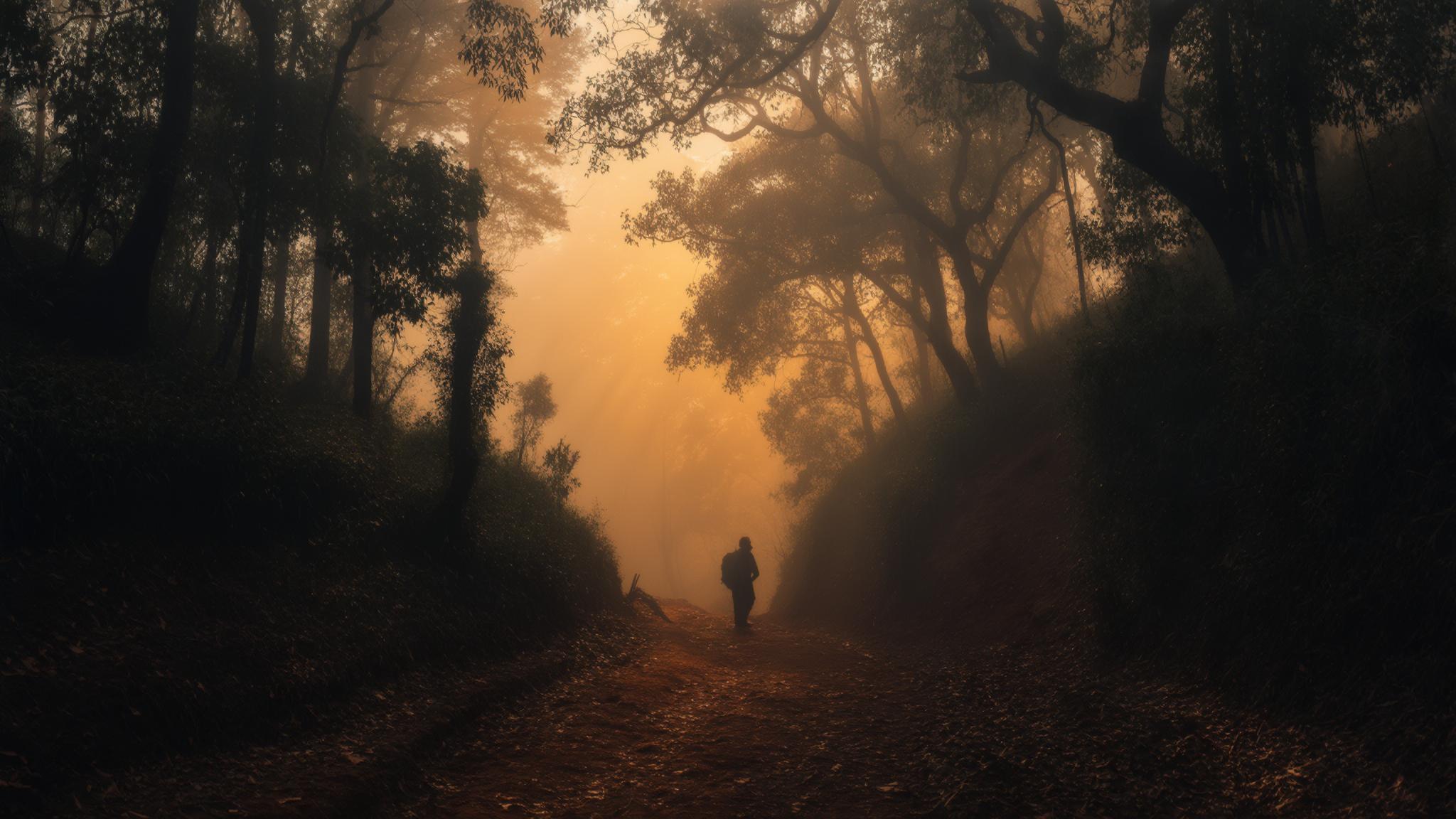
The hill station’s appeal has never been the cable car or the waterfall selfie. It has always been the quality of the light on a Himalayan morning, the smell of deodar forests after rain, and the particular silence of a cantonment road where the 21st century has not yet fully arrived. That Mussoorie is still there. Most visitors simply never find it because nobody told them where to look.
Frequently Asked Questions
{“@context”:”https://schema.org”,”@type”:”FAQPage”,”mainEntity”:[{“@type”:”Question”,”name”:”What is the best time to visit Mussoorie to avoid crowds?”,”acceptedAnswer”:{“@type”:”Answer”,”text”:”September through November offers the best balance of clear weather, mountain views, and manageable tourist numbers. Hotel rates in this period are roughly 30-40% lower than the peak summer season of May and June.”}},{“@type”:”Question”,”name”:”How do I get from Delhi to Mussoorie by train?”,”acceptedAnswer”:{“@type”:”Answer”,”text”:”Take a train from Delhi to Dehradun (approximately 6-7 hours on the Shatabdi Express), then a shared taxi or bus from Dehradun’s ISBT to Mussoorie — about 35 km and 1-1.5 hours depending on traffic. Total train fare starts from approximately ₹400-600 per person.”}},{“@type”:”Question”,”name”:”Is Benog Wildlife Sanctuary safe to visit without a guide?”,”acceptedAnswer”:{“@type”:”Answer”,”text”:”The marked trail to Benog Tibba is generally safe for reasonably fit adults during daylight hours. The Uttarakhand Forest Department recommends informing the gate official of your planned route. Entry fee is approximately ₹50-100 per person for Indian nationals.”}},{“@type”:”Question”,”name”:”What is the cable car fare for Gun Hill in Mussoorie?”,”acceptedAnswer”:{“@type”:”Answer”,”text”:”The ropeway to Gun Hill costs approximately ₹175-200 per person for a return ticket. The journey takes about 5-7 minutes each way and offers aerial views of Mall Road and the surrounding Doon Valley.”}},{“@type”:”Question”,”name”:”Can Mussoorie be visited in December and January?”,”acceptedAnswer”:{“@type”:”Answer”,”text”:”Yes. Mussoorie receives occasional snowfall between December and February, and accommodation rates drop to as low as ₹900-1,200 per room per night. Carry heavy woolens as temperatures can drop to 1-3°C at night, and confirm road conditions before travel.”}}]}