
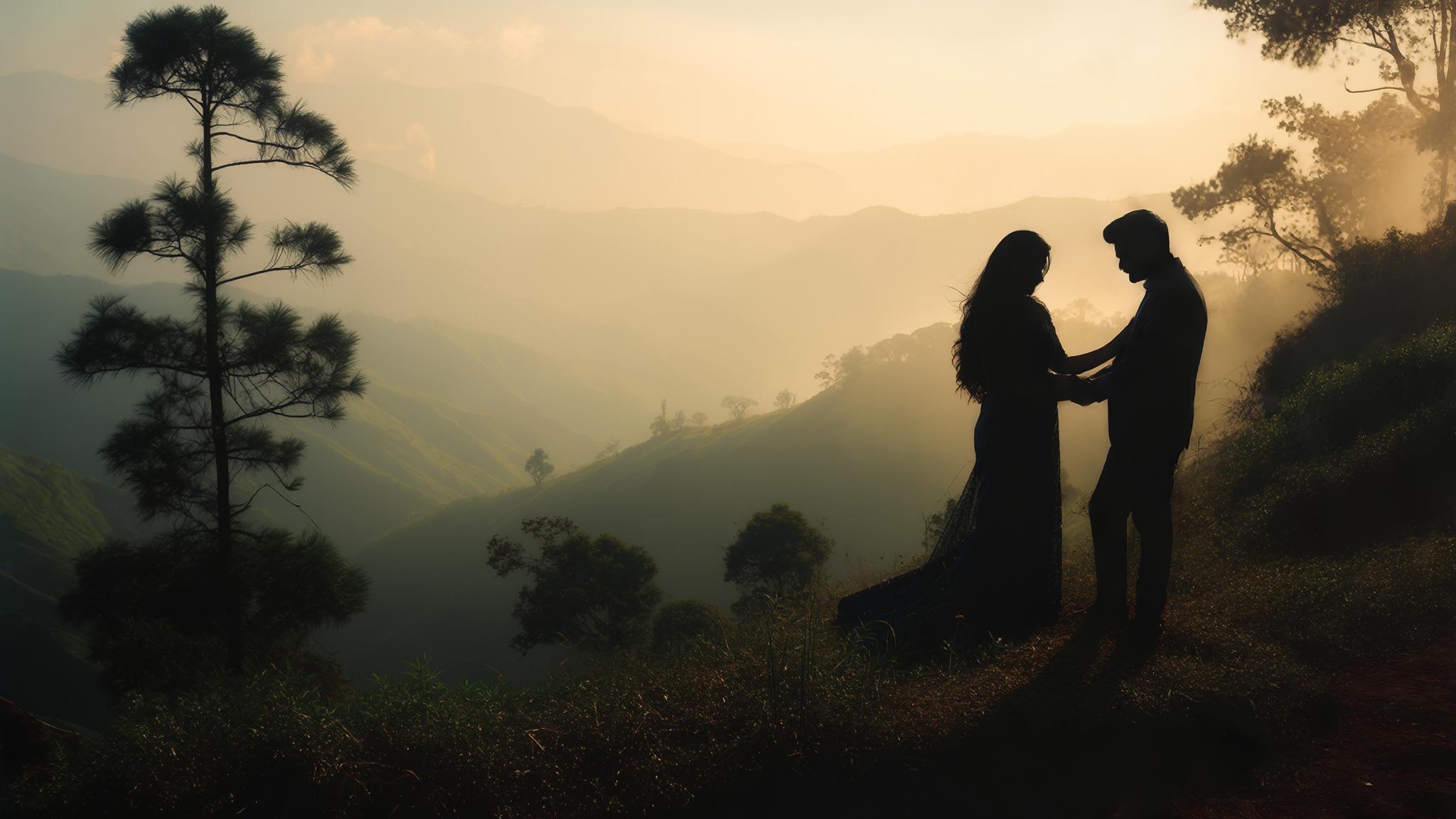
Roughly 35 lakh tourists visit Mussoorie every year, and nearly 40% of them arrive in a single two-month window: May and June. That concentration — more than 14 lakh visitors in 60 days — turns the Mall Road into a slow-moving traffic jam that can stretch for 4 kilometres, pushes hotel rates to three times their off-season price, and leaves most viewpoints so foggy with haze and humidity that the Himalayas are barely visible. Yet the myth that summer is the best time to visit Mussoorie persists, repeated across travel blogs, package-tour brochures, and family WhatsApp groups alike.
The reality, backed by what local guesthouse owners, Uttarakhand Tourism data, and seasoned Mussoorie travellers consistently report, is that October through November — and a shorter window in January and February — delivers everything summer promises but almost never delivers: clear Himalayan panoramas, cool mountain air, unhurried streets, and hotel rates that can be 50–65% lower than peak-season prices.
The Common Belief: Summer Is Peak Season for a Reason
The logic behind the May–June pilgrimage is understandable on its surface. Schools are on summer holidays, the plains are baking at 42–46°C, and Mussoorie sits at 2,005 metres above sea level — which, compared to Delhi or Lucknow, genuinely feels like relief. Travel agents have marketed this corridor for decades, and the sheer volume of visitors creates a self-reinforcing impression: if this many people are going, it must be the right time.
Families with school-going children have little scheduling flexibility, and that constraint has calcified into received wisdom. Guidebooks published as far back as the 1990s labelled April–June as the “tourist season,” and that label has stuck even as Mussoorie’s visitor numbers have tripled. The infrastructure — roads, parking, hotel capacity — has not kept pace.
The Crack in the Story: What the Numbers Actually Show
Ask any veteran Mussoorie hotelier which months they personally enjoy the hill station, and almost none will say May. Rakesh Nautiyal, who has run a guesthouse near Camel’s Back Road for over 18 years, puts it plainly: peak season is good for business, but it is not a good time to experience Mussoorie. The town’s resident population of roughly 30,000 swells to an estimated 80,000–1,00,000 on peak May weekends.
The Himalayan views that make Mussoorie famous are also at their worst in summer. Pre-monsoon haze and dust from the plains create a persistent atmospheric blur that can reduce visibility to 10–15 kilometres. The snow-capped peaks of the Gangotri range — visible from Gun Hill and Lal Tibba on clear days — are essentially invisible from late April through late September. Travellers arrive expecting the postcard and leave with a foggy disappointment they rarely share on Instagram.
Why the Summer Myth Persists — and Why It Is Wrong
Three structural forces keep the May myth alive. First, school calendars are non-negotiable for most Indian families, and the travel industry has simply followed the demand rather than challenged it. Second, package-tour operators make significantly higher margins during peak season — bundled rates, inflated hotel commissions, and high-volume throughput all work in their financial favour. Third, social media creates a feedback loop: millions of summer Mussoorie photos on Instagram look appealing precisely because photographers are skilled at cropping out the traffic and the haze.
The evidence against summer is consistent and specific. According to data shared by Uttarakhand Tourism, visitor complaints about traffic congestion and overcrowding peak sharply in May and June. The Mussoorie Municipal Council has periodically floated proposals for tourist caps during peak weekends — a measure that would not be necessary if summer were genuinely the optimal experience the marketing suggests.
Monsoon season (July–mid-September) is rightly avoided due to landslide risk on mountain roads, which makes that a legitimate no-go period. But the blanket avoidance of all non-summer months — particularly October and November — has no logical basis in weather, safety, or experience quality. It is purely a habit reinforced by marketing.
The Real Truth: October–November and January–February Are Superior Visits
October in Mussoorie is objectively the best version of the hill station. The monsoon has scrubbed the atmosphere clean by late September, and the post-rain clarity produces the most dramatic Himalayan views of the entire year. Temperatures sit between 8°C and 18°C — genuinely cool without being harsh — and the oak and rhododendron forests on the Camel’s Back Road are turning amber and gold. Hotel occupancy drops sharply, and you can walk the length of The Mall on a Tuesday morning without brushing shoulders with anyone.
Lal Tibba, Mussoorie’s highest point at 2,275 metres, earns its reputation only in October and November. The coin-operated telescope at the top — often mocked as a tourist gimmick — actually earns its ₹10 fee during these months, when Bandarpunch, Srikantha, and the Kedarnath massif are crisply visible. The same spot in May offers a view of atmospheric haze and, on weekends, a queue of 40 people.
January and February offer a different proposition: a genuine chance of snowfall in Mussoorie town itself, which happens roughly 4–6 times per winter season. The Landour area, sitting slightly higher at around 2,275 metres, sees snow more reliably than the busier Mall Road end. Families who specifically want snow — rather than just cool weather — are far better served by a January trip than by any summer booking. The trade-off is that temperatures drop below freezing at night, so packing adequately is non-negotiable.
What This Means for Your Mussoorie Trip: Practical Decisions
The implications are concrete and immediately actionable. If you have school-age children and genuinely cannot travel outside May–June, the best strategy is to arrive on a weekday, book accommodation in Landour or on the Camel’s Back Road side (rather than near The Mall), and treat the trip as a relaxed hill retreat rather than an attractions-and-viewpoints itinerary. Manage expectations about mountain views.
If you have any scheduling flexibility — a long weekend in October, a winter break in January, or a pre-Diwali trip in late October — Mussoorie in those months is a fundamentally different and better experience. The town is walkable, the air is sharp and clean, and restaurant tables at beloved spots like Kalsang on The Mall or the café at Char Dukan in Landour do not require a 45-minute wait.
The broader point is this: Mussoorie’s reputation as a hill station worth visiting is entirely deserved — but the months that reputation was built on are not the months most people actually visit. The Mussoorie that Ruskin Bond writes about in his Landour chronicles, the one with quiet pine-scented mornings and unhurried afternoons, exists most fully between October and February. It is available to anyone willing to look at a calendar with fresh eyes.
Frequently Asked Questions
{“@context”:”https://schema.org”,”@type”:”FAQPage”,”mainEntity”:[{“@type”:”Question”,”name”:”What is the cheapest month to visit Mussoorie?”,”acceptedAnswer”:{“@type”:”Answer”,”text”:”January and February offer the lowest hotel rates, with mid-range double rooms available for ₹1,800–₹3,000 per night — roughly 70% cheaper than peak May rates. These months also carry the highest chance of snowfall in Mussoorie town itself.”}},{“@type”:”Question”,”name”:”Can you actually see the Himalayas from Mussoorie?”,”acceptedAnswer”:{“@type”:”Answer”,”text”:”Yes, but only reliably between October and February when the atmosphere is clear. From Lal Tibba at 2,275 metres, peaks of the Gangotri range are visible up to 120 km away on October mornings. In May and June, pre-monsoon haze typically reduces visibility to 10–15 km.”}},{“@type”:”Question”,”name”:”How long does it take to drive from Dehradun to Mussoorie?”,”acceptedAnswer”:{“@type”:”Answer”,”text”:”Normally 35–45 minutes via NH 707A, covering approximately 35 km. On peak May and June weekends, the same drive can take 3–5 hours due to severe traffic congestion on the hill road.”}},{“@type”:”Question”,”name”:”Is Mussoorie worth visiting in winter?”,”acceptedAnswer”:{“@type”:”Answer”,”text”:”Yes. January and February are rewarding for travellers with scheduling flexibility. Mussoorie town receives snowfall 4–6 times per winter season, with the Landour area seeing snow most reliably. Temperatures fall below 0°C at night, so warm layering is essential.”}},{“@type”:”Question”,”name”:”What is a realistic daily budget for Mussoorie in October?”,”acceptedAnswer”:{“@type”:”Answer”,”text”:”A couple can travel comfortably on ₹3,500–₹5,000 per day in October, covering a mid-range hotel room (₹2,200–₹3,500/night), three meals, local transport, and entry fees. The same standard of travel costs ₹8,000–₹12,000 per day in peak May season.”}}]}