
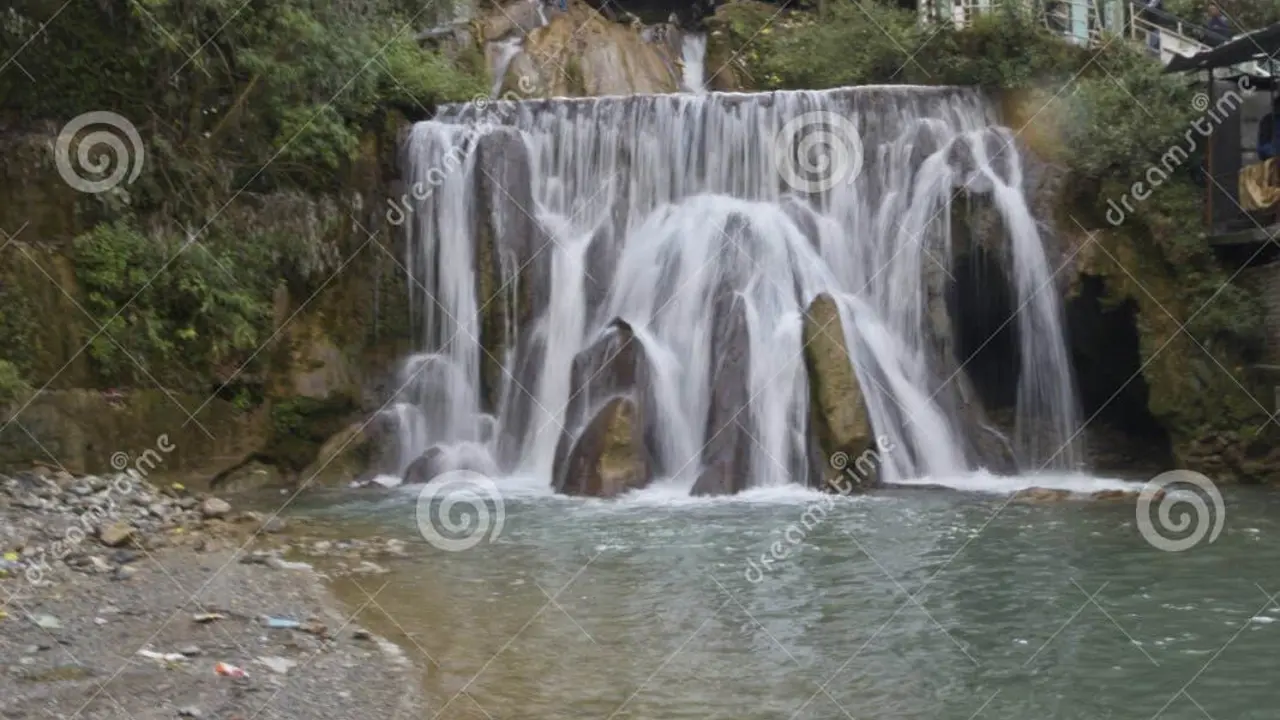
Have you ever stood at Kempty Falls, surrounded by thousands of tourists, vendors selling corn, and loudspeakers blasting Bollywood music, and wondered — is this really what the Mussoorie hills look like? I have. And that question sent me on a months-long hunt through forested ridges, village paths, and unmarked trails to find the waterfalls that locals actually visit on their days off.
, . The overwhelming majority of them cluster around Kempty Falls and Mall Road. That leaves the quieter cascades — the ones accessible by a 40-minute forest walk or a shared jeep ride — almost entirely to the people who live here year-round.
This countdown ranks five such waterfalls by a combination of scenic value, accessibility, crowd levels, and how consistently I’ve seen local families, hikers, and Landour residents return to them. The ranking matters because not all hidden waterfalls are equally worth the effort — some require technical trekking, some dry up after October, and some are genuinely dangerous in monsoon. Here’s what the guidebooks won’t tell you.
Quick Comparison: Hidden Waterfalls Near Mussoorie
| Waterfall | Distance from Mall Road | Trek Difficulty | Best Season | Entry Fee (2024) |
|---|---|---|---|---|
| Mossy Falls | 7 km | Easy–Moderate | July–October | ₹30–₹50 |
| Jharipani Falls | 8 km | Easy | August–November | Free |
| Bhatta Falls | 11 km | Easy | July–September | ₹20 |
| Bhadraj Falls | 15 km | Moderate | July–October | Free |
| Kemundali Falls | 22 km | Moderate–Hard | August–October | Free |
Numbers 5 Through 2: The Underrated Cascades
#5 — Mossy Falls, Barlowganj
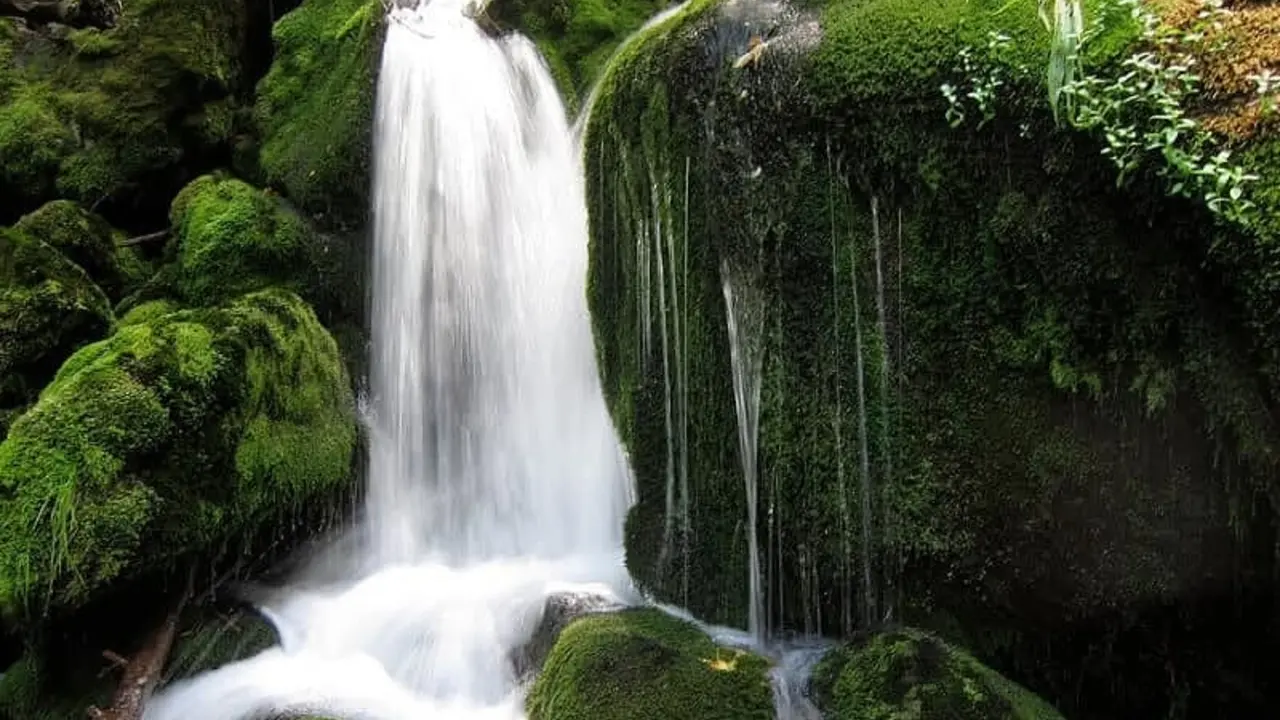
Mossy Falls sits about 7 km from Mall Road near Barlowganj village, and it earns its name honestly — the rocks are coated in thick green moss year-round. The waterfall drops roughly 145 feet through a narrow gorge flanked by oak and rhododendron trees. I visited on a Tuesday in September 2023 and counted fewer than 20 people over three hours.
Getting here requires a shared jeep from Gandhi Chowk to Barlowganj (₹20–₹30 per seat), followed by a 20-minute downhill walk on a clearly marked forest path. There’s a small entry checkpoint managed by the local Van Panchayat — they charge ₹30 to ₹50 per person, which funds trail maintenance. The money is actually spent well; the path is clean and has rope railings near the steeper sections.
The falls are strongest from mid-July through late October. By December, they reduce to a thin trickle. Don’t attempt the descent after heavy rain — the moss-covered rocks become genuinely slippery, and there have been minor injuries reported at the site.
#4 — Jharipani Falls, Jharipani Village
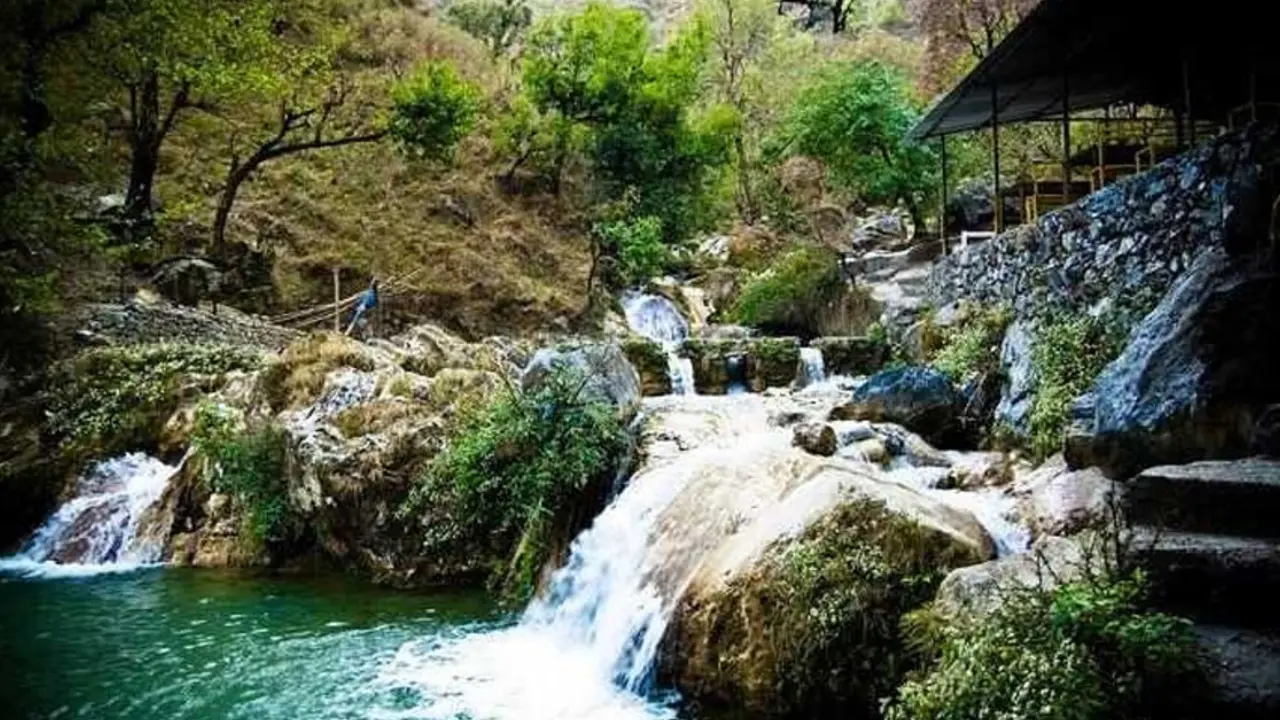
Jharipani Falls is the waterfall that Mussoorie’s older residents mention first when you ask them where they actually go to escape the tourist season. Located 8 km from Mall Road near Jharipani village, the falls are accessible via a 35-minute walk through mixed forest. Entry is free, and there’s no formal checkpoint.
The cascade here is gentler than Mossy Falls — perhaps 60 feet in height — but the surrounding landscape is exceptional. The trail passes through a working apple orchard in September and October, and local families often picnic on the flat rocks beside the stream. I’ve seen Landour residents walk here on weekend mornings with their dogs and thermoses of chai.
To reach Jharipani, take a shared cab from Picture Palace Chowk toward Jharipani (₹25 per seat). Ask the driver to drop you at the Jharipani Forest Rest House, then follow the stone steps downward. The path is unmarked but well-worn — just follow the sound of water after the first bend.
#3 — Bhatta Falls, Bhatta Village
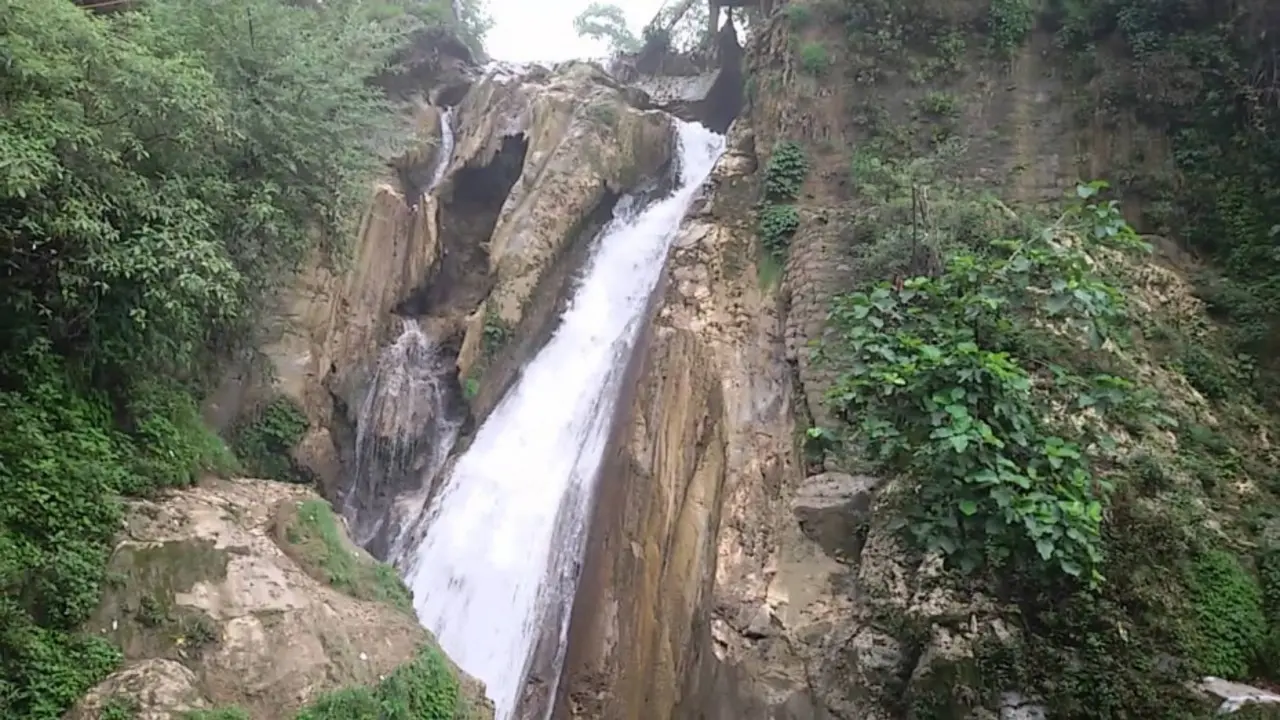
Bhatta Falls, located 11 km from Mussoorie toward Dehradun on the old Mussoorie–Dehradun road, is the most accessible waterfall on this list. A shared cab from Gandhi Chowk costs ₹30–₹40 and drops you within a 10-minute walk of the falls. The local Van Panchayat charges a nominal ₹20 entry fee.
The falls themselves drop in two tiers, with a natural pool forming at the base of the lower tier. Local teenagers swim here in July and August — the water is cold but not dangerously so in summer. The surrounding forest is dense enough that the falls stay cool even on warm September afternoons.
What makes Bhatta genuinely different from tourist-facing waterfalls is the food. About 200 meters from the falls, a small dhaba run by a woman named Savitri Devi (no formal name on the shop, just ask locals for “Savitri ki dhaba”) serves maggi, chai, and seasonal pakoras. Prices as of 2024: maggi for ₹40, chai for ₹15. She’s been running it since approximately 2009 and knows the forest trails better than most guides.
#2 — Bhadraj Falls, Near Bhadraj Temple
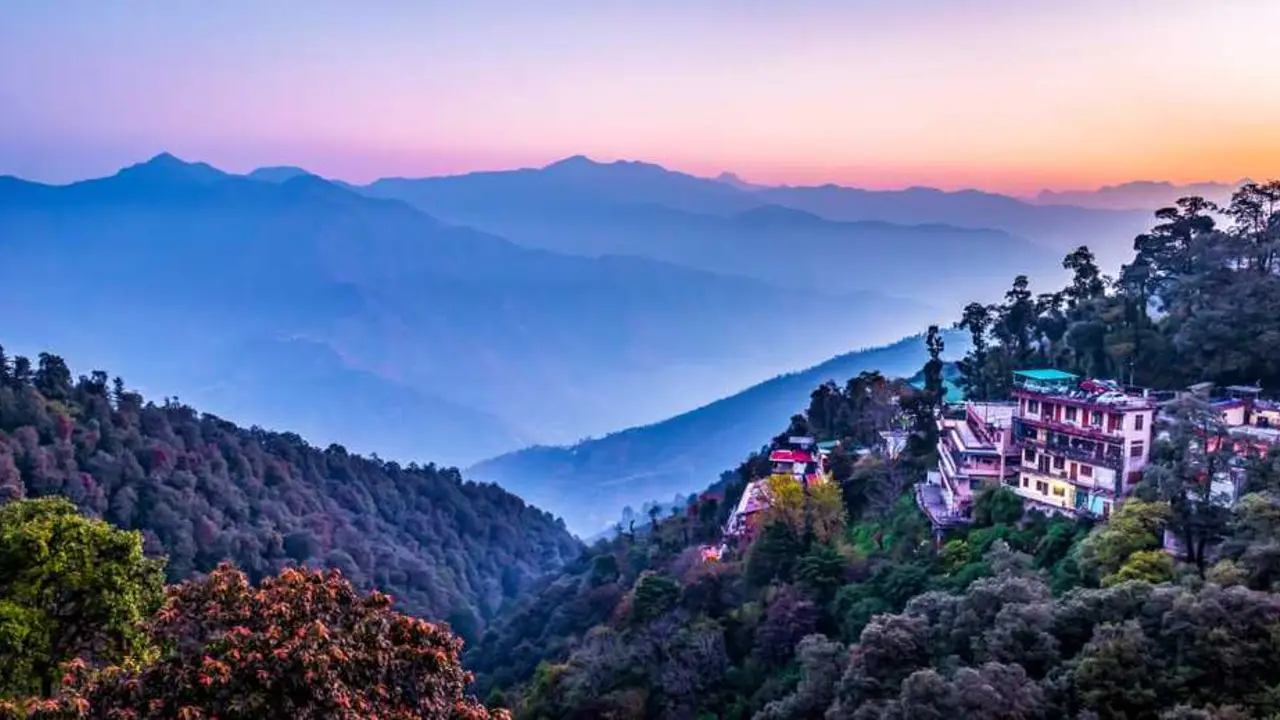
Bhadraj Falls sits at roughly 2,200 meters elevation, about 15 km from Mall Road near the ancient Bhadraj Temple dedicated to Bal Bhadra. The trek to reach it takes approximately 90 minutes one way from the temple parking area, passing through dense oak forest. This is where Mussoorie’s serious hikers go — the trail is moderately challenging, with some steep sections after the first kilometer.
The waterfall is seasonal and most powerful between August and early October. The height is approximately 100 feet, and the cascade falls into a rocky basin surrounded by boulders large enough to sit on comfortably. I’ve encountered local trekking groups from Mussoorie’s schools and colleges here regularly — it’s a known weekend destination among the town’s younger residents.
Reach Bhadraj by hiring a cab from Mussoorie (₹600–₹800 one way to the temple, negotiate before boarding). Alternatively, share a jeep toward Bhadraj village from Gandhi Chowk for ₹50 per seat. There’s no entry fee for the falls. Carry your own water — there are no stalls beyond the temple area.
#1 — Kemundali Falls: The Waterfall Locals Keep to Themselves
Kemundali Falls is the answer locals give when they trust you enough to share the real list. Located approximately 22 km from Mussoorie near the Kemundali village in the Aglar River valley, this waterfall is not on any major tourism map as of 2024. Getting here requires a combination of shared transport and a 2.5 to 3-hour trek through remote forest. That effort is exactly why it remains genuinely uncrowded.
The falls drop in a single powerful curtain of approximately 200 feet into a deep gorge. The surrounding forest is old-growth oak and pine, largely undisturbed. The sound of the falls is audible nearly 20 minutes before you see them on the trail — a low, constant roar that builds as you descend.
I visited in late September 2023 with a local guide named Ramesh Negi, who has been walking these trails since childhood. We saw three other people the entire day.
The route begins from Kemundali village, which you reach by taking a shared jeep from Gandhi Chowk toward Nainbagh (₹80–₹100, roughly 45 minutes), then asking to be dropped at the Kemundali forest path turnoff. From there, the trail descends steeply for the first hour, levels through a meadow, then drops again to the gorge. Total elevation loss is approximately 600 meters. The return climb is demanding — budget 4 hours round trip minimum.
There is no entry fee, no infrastructure, and no phone signal for most of the trail. Carry at least 2 liters of water per person, a basic first aid kit, and download an offline map before you leave. The trail is not marked after the first 30 minutes, so either hire a local guide from Kemundali village (approximately ₹400–₹500 for a half-day) or go with someone who has done it before.
What elevates Kemundali above the others is not just the waterfall itself — it’s the complete absence of commercialization. No vendors, no entry booths, no plastic waste. The Aglar River valley below the falls has clear, fast-moving water where you can refill a filter bottle safely. Local shepherds sometimes pass through in October with their flocks, and the interaction with the landscape feels entirely different from anything closer to Mussoorie’s tourist circuit.
The best window is August 15 through October 10. After that, the trail becomes cold and the falls diminish significantly. Before mid-July, the path is dangerously muddy and the gorge carries flood risk from Aglar River tributaries.
Why This Order Matters — and What to Do With It
The ranking here moves from accessible to remote, from partially touristy to genuinely local. Mossy Falls and Jharipani Falls are good entry points — they’re close, cheap to reach, and suitable for families with children or older visitors. Bhatta Falls adds the bonus of real local food culture. Bhadraj requires a proper trek but rewards with elevation and forest solitude.
Kemundali sits at the top because it demands the most and gives back the most. It’s the waterfall that local trekkers in Mussoorie treat as a benchmark — if you’ve done Kemundali, you’ve earned a certain credibility among the people who actually know these hills.
The practical takeaway is straightforward: visit in the order that matches your fitness and time. A first-time visitor with two days should do Mossy Falls or Bhatta Falls. A returning visitor with a full day and reasonable fitness should go directly to Bhadraj or Kemundali. All five are best visited on weekdays between 7 AM and 1 PM to avoid afternoon cloud cover and whatever weekend crowds exist.
- Carry cash — none of these locations have ATMs or digital payment options nearby
- Wear shoes with grip, not sandals, for anything beyond Bhatta Falls
- Monsoon season (July–September) offers the most powerful waterfalls but also the most trail risk
- October is the sweet spot: post-monsoon water flow, clear skies, cool temperatures, and minimal tourists
- Tell someone your itinerary before attempting Bhadraj or Kemundali alone
Mussoorie’s hidden waterfalls aren’t secret because they’re hard to find on a map. They’re hidden because most visitors never think to look beyond the waterfall that’s been on every tourism poster for 30 years. The locals who visit these places aren’t being exclusive — they’re just going where the experience is still worth having.
Frequently Asked Questions
{“@context”:”https://schema.org”,”@type”:”Article”,”headline”:”I Ditched Kempty Falls and Found 5 Waterfalls Locals Actually Visit”,”description”:”Beyond Kempty Falls, Mussoorie hides 5 stunning waterfalls locals actually visit. Discover real directions, prices, and the best season to go.”,”image”:[“https://www.nppmussoorie.com/wp-content/uploads/2026/03/i-ditched-kempty-falls-and-found-5.webp”],”datePublished”:”2026-03-22T17:35:59.740Z”,”dateModified”:”2026-03-22T17:35:59.740Z”,”author”:{“@type”:”Person”,”name”:”Alicia Parker”,”url”:”https://www.nppmussoorie.com//author/editorial”},”publisher”:{“@type”:”Organization”,”name”:”NPP Mussourie”,”url”:”https://www.nppmussoorie.com/”,”logo”:{“@type”:”ImageObject”,”url”:”https://www.nppmussoorie.com//wp-content/uploads/logo.png”}},”mainEntityOfPage”:{“@type”:”WebPage”,”@id”:”https://www.nppmussoorie.com//i-ditched-kempty-falls-and-found-5/”}}
{“@context”:”https://schema.org”,”@type”:”FAQPage”,”mainEntity”:[{“@type”:”Question”,”name”:”What is the best time of year to visit hidden waterfalls near Mussoorie?”,”acceptedAnswer”:{“@type”:”Answer”,”text”:”The sweet spot is July through September during and just after monsoon season — that’s when water flow is at its peak and the falls look truly dramatic. However, trails can get slippery, so carry trekking poles. Post-monsoon October and November offer safer paths with still-decent water levels. Avoid visiting between December and February as many forest trails become inaccessible due to frost and occasional snowfall.”}},{“@type”:”Question”,”name”:”How do I get to the lesser-known waterfalls near Mussoorie without a private car?”,”acceptedAnswer”:{“@type”:”Answer”,”text”:”Shared jeeps from Library Bus Stand in Mussoorie are your best bet and cost between ₹30–₹80 per person depending on the route. For trailheads deeper in the forest, you can hire a local guide from Landour Bazaar for around ₹500–₹800 per day — they know shortcuts that aren’t on Google Maps. Auto-rickshaws are available for spots within 5 km of Mall Road.”}},{“@type”:”Question”,”name”:”Are there any entry fees or permits required to visit forest waterfalls around Mussoorie?”,”acceptedAnswer”:{“@type”:”Answer”,”text”:”Most of the lesser-visited waterfalls fall within the Rajaji Tiger Reserve buffer zone or Van Panchayat forest areas, where a nominal entry fee of ₹50–₹100 per person may be collected by local forest guards, though this isn’t always enforced consistently. No special trekking permit is required for day hikes under 15 km. If you plan to camp overnight near any forest waterfall, you’ll need prior permission from the Divisional Forest Officer (DFO) office in Dehradun.”}},{“@type”:”Question”,”name”:”Is it safe to swim in the natural waterfalls near Mussoorie?”,”acceptedAnswer”:{“@type”:”Answer”,”text”:”Swimming is possible at a few spots with calm plunge pools, but you should check water depth before entering — some pools look shallow but drop to 8–10 feet. Avoid swimming during or immediately after heavy rain as flash currents can develop within minutes in Garhwal hill streams. Locals typically swim only between 10 AM and 2 PM when visibility is best. Keep in mind water temperatures rarely exceed 16°C even in summer, so it’s cold.”}},{“@type”:”Question”,”name”:”Are there any good dhabas or food options near the hidden waterfall trails?”,”acceptedAnswer”:{“@type”:”Answer”,”text”:”Don’t count on finding food stalls at the trailheads — most of these spots are deliberately off the tourist circuit. Your best strategy is to pack food from Landour Bazaar before heading out; Anil’s Tea Shop near Sisters Bazaar sells excellent parathas for ₹40–₹60 each. A few village homes along the Bhadraj and Dhanaulti routes offer chai and basic snacks if you ask politely, but it’s not guaranteed. Carry at least 2 litres of water per person as natural water sources on the trail aren’t reliably safe to drink.”}}]}
{“@context”:”https://schema.org”,”@type”:”BreadcrumbList”,”itemListElement”:[{“@type”:”ListItem”,”position”:1,”name”:”Home”,”item”:”https://www.nppmussoorie.com/”},{“@type”:”ListItem”,”position”:2,”name”:”Travel & Tourism”,”item”:”https://www.nppmussoorie.com//category/travel-&-tourism/”},{“@type”:”ListItem”,”position”:3,”name”:”I Ditched Kempty Falls and Found 5 Waterfalls Locals Actually Visit”}]}