

Everyone tells you to ride the ropeway to Gun Hill. Every travel blog, every hotel concierge, every auto-rickshaw driver near Mall Road will point you in that direction. But here’s the truth no one wants to say out loud: Gun Hill is the most overrated viewpoint in Mussoorie. At ₹150 per person for the cable car (as of 2024), you get a crowded platform, balloon sellers, and a Himalayan view you could get better — for free — from at least five other spots in town.
Mussoorie has stunning viewpoints that most tourists completely skip while queuing for Gun Hill. This article covers five specific, named viewpoints — with directions, costs, and best timing — that offer better Himalayan panoramas, fewer crowds, and a more authentic hill-station experience.
I’ve spent three separate trips exploring Mussoorie’s ridgelines, and each time I found something the tourist trail ignores. Mussoorie was established as a hill station by the British in 1823, and its geography — a long horseshoe-shaped ridge at around 2,000 metres — means panoramic views are everywhere. You just have to know where to look.
What Are the Best Scenic Viewpoints in Mussoorie Beyond Gun Hill?
The best scenic viewpoints beyond Gun Hill include Lal Tibba, Cloud’s End, Jwala Devi Temple, Benog Wildlife Sanctuary ridge, and the Landour Clock Tower area. Each offers a distinct angle on the Himalayas, different crowd levels, and a different experience — from dense forest walks to colonial-era solitude.
Here’s a quick comparison of all five so you can plan smartly before we dive into each one:
| Viewpoint | Distance from Mall Road | Entry Cost | Best Time | Crowd Level |
|---|---|---|---|---|
| Lal Tibba | 6 km (Landour) | Free | Oct–Mar, sunrise | Low–Medium |
| Cloud’s End | 7 km (western end) | Free (forest entry ₹50) | Apr–Jun, Oct–Nov | Very Low |
| Jwala Devi Temple | 9 km (Benog Hill) | Free | Year-round, mornings | Low |
| Benog Wildlife Sanctuary | 11 km | ₹150 (forest fee) | Oct–Feb | Very Low |
| Landour Clock Tower Area | 5 km (Landour Bazaar) | Free | Year-round, dusk | Very Low |
Lal Tibba — Landour Cantonment
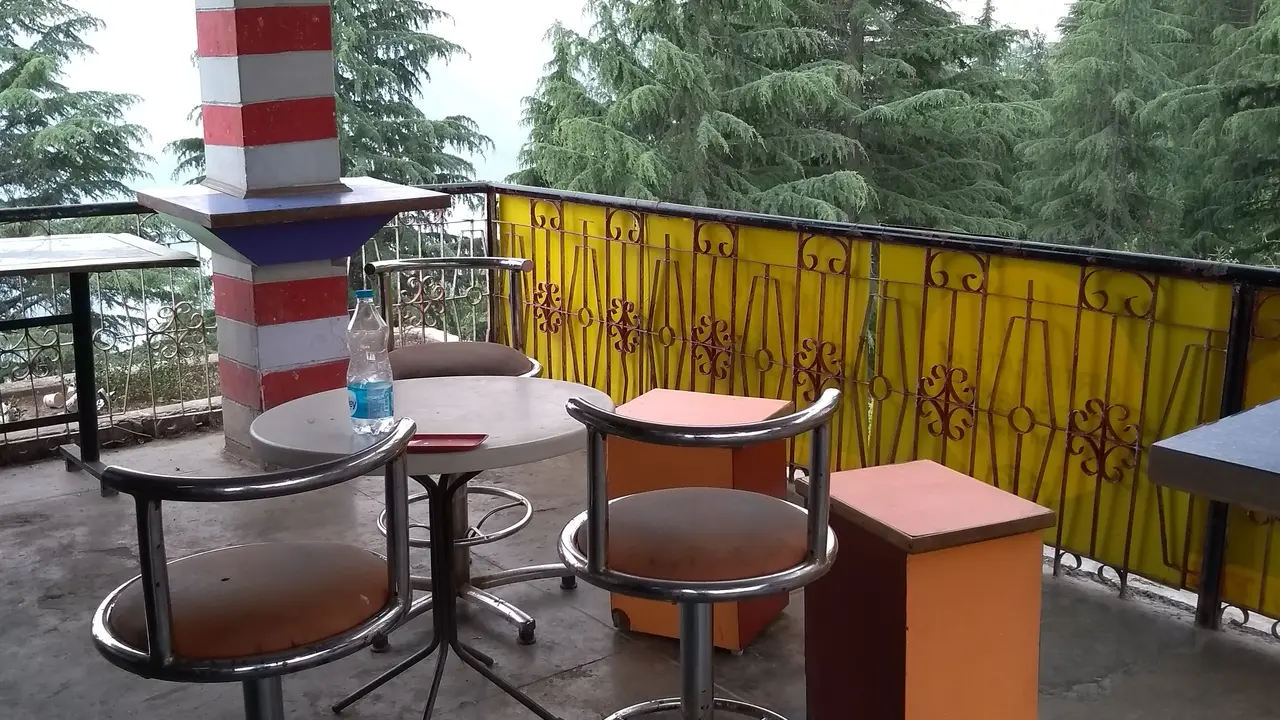
Lal Tibba sits at 2,275 metres, making it the highest point in Mussoorie. It’s about 6 km from Mall Road, reachable by shared jeep from Landour Bazaar for ₹20 per seat or by taxi for around ₹300. The viewpoint is free to enter.
The real draw here is the old British-era telescope installed at the observation deck. On clear winter mornings between October and March, you can spot Kedarnath, Badrinath, Gangotri, and Yamunotri peaks — all four Char Dham pilgrimage sites — in a single sweep. That’s something Gun Hill simply cannot offer.
The area around Lal Tibba is part of Landour Cantonment, which gives it a quieter, more disciplined atmosphere. There are no balloon sellers here. The Char Dham Café nearby serves decent chai for ₹30 and Maggi for ₹60 — basic, but honest.
Cloud’s End — Western Tip of Mussoorie Ridge
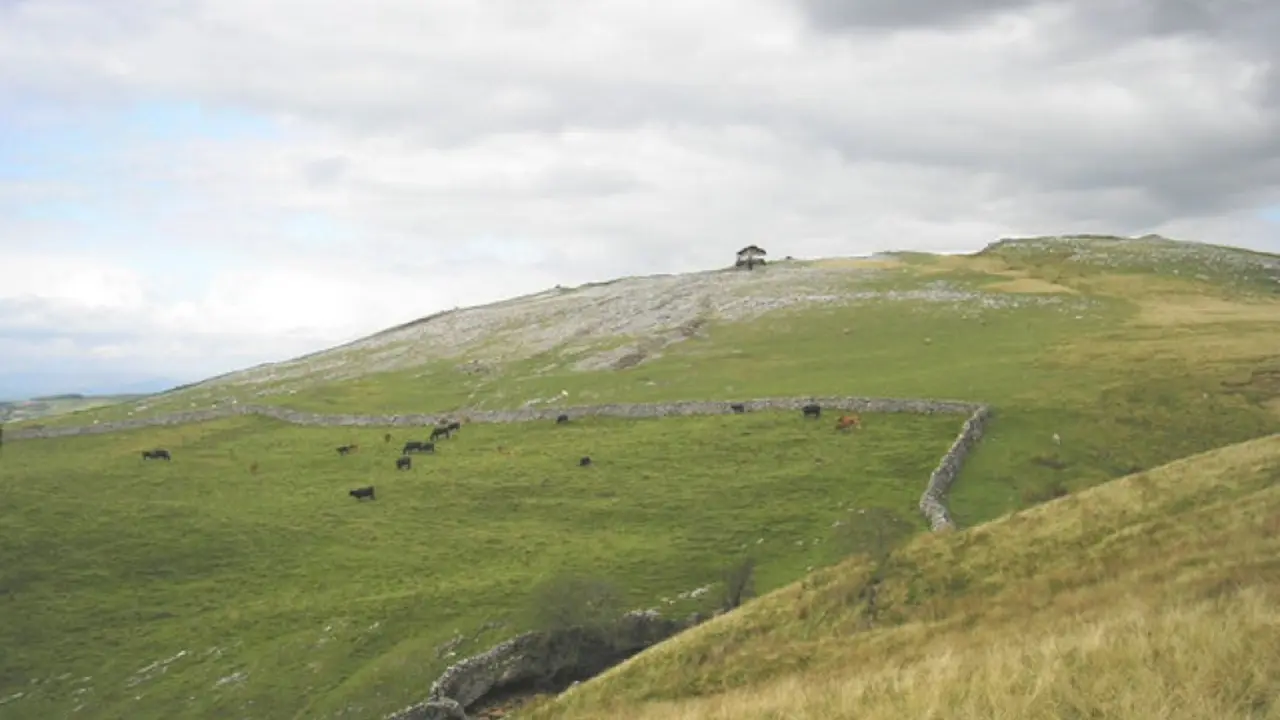
Cloud’s End is where Mussoorie literally ends — the western tip of the ridge, 7 km from Library Chowk. The heritage Cloud’s End Forest Hotel (built in 1838, one of Mussoorie’s oldest structures) marks the spot. You don’t need to stay at the hotel to access the viewpoint; the road is public.
The view here faces northwest toward the Aglar River valley and the Shivalik ranges. It’s a different Himalayan angle than Lal Tibba — less dramatic in terms of high peaks, but the forested valley dropping away beneath you feels genuinely wild. The Uttarakhand Forest Department charges ₹50 per person to enter the forest trail beyond the hotel gate.
The walk from Cloud’s End into the oak and rhododendron forest is one of Mussoorie’s best-kept secrets. According to the Uttarakhand Tourism Board’s 2023 report, heritage architecture and natural forest cover are primary differentiators that attract repeat visitors to Mussoorie. Cloud’s End delivers both in one location.
Jwala Devi Temple — Benog Hill
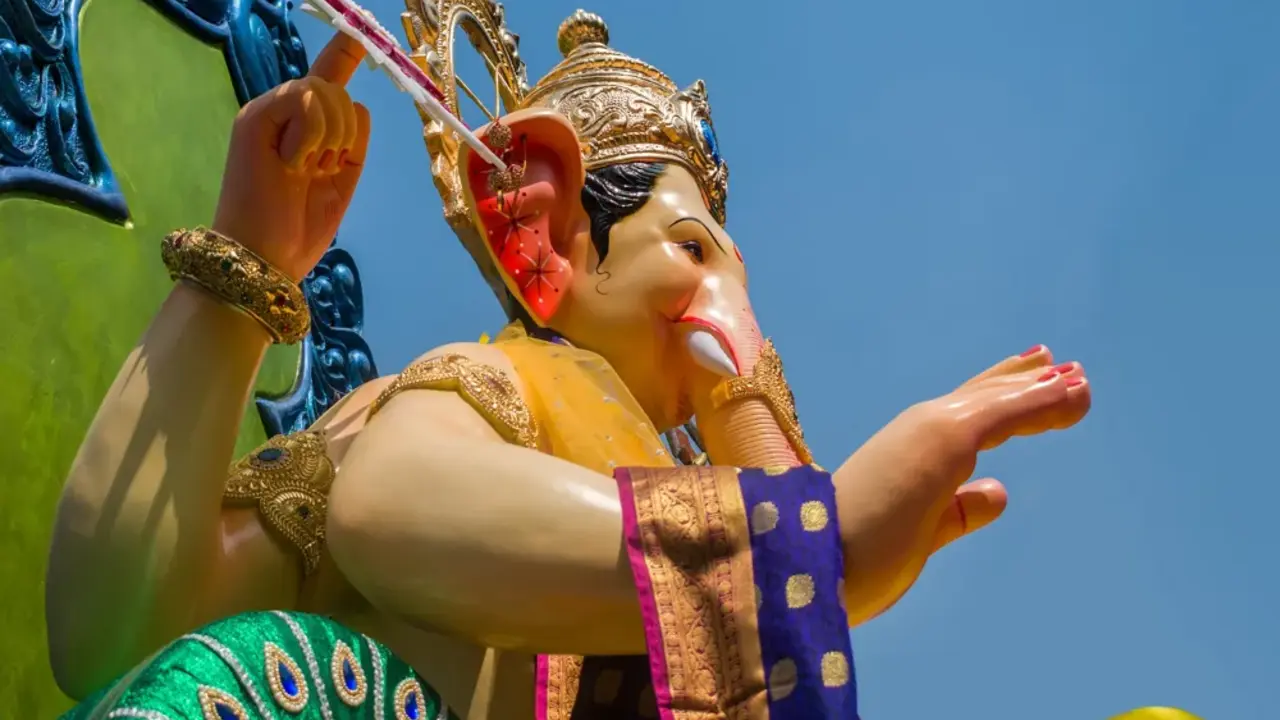
Located 9 km from Mall Road on Benog Hill, Jwala Devi Temple is a functioning Hindu shrine dedicated to the goddess of fire. The temple itself is small and unassuming. But the ridge it sits on commands a 270-degree panoramic view of the Doon Valley, the Shivalik ranges, and on clear days, the distant plains of Haridwar.
Getting here requires either a taxi (₹400–₹500 from Library Chowk) or a combination of shared jeep to Benog and a 20-minute uphill walk. The temple is open from 6 AM to 7 PM daily, and entry is free. Mornings are best — both for views and for the quiet ritual atmosphere before pilgrims arrive in numbers.
The descent path from Jwala Devi through the Benog forest is a proper walking trail, roughly 3 km, that birders particularly love. The Himalayan Birding Society’s 2022 field notes list this trail as one of the top five birding routes in the Garhwal foothills, with sightings of Kalij pheasant, hill partridge, and various flycatchers.
Benog Wildlife Sanctuary Ridge — The Forest Viewpoint
The Benog Wildlife Sanctuary covers 239 hectares of dense oak and rhododendron forest on the western slopes of Mussoorie. The Forest Department entry point is 11 km from Mall Road. Entry costs ₹150 per person for non-Uttarakhand residents (₹50 for residents), and the sanctuary is open from 7 AM to 5 PM.
The main ridge trail inside the sanctuary takes about 45 minutes to walk to the highest open point. From there, you see the full western Himalayan arc — a view that’s arguably more complete than anything on the main tourist circuit. The sanctuary sees very few visitors on weekdays; I walked the trail on a Tuesday in November 2023 and counted exactly four other people.
The forest itself is the experience. Mussoorie attracts over 1.5 million tourists annually according to Uttarakhand Tourism data, but the vast majority stay within 2 km of Mall Road. The sanctuary ridge feels like a completely different world — silent except for wind and birds.
Landour Clock Tower Area — The Dusk Secret
This one surprises people. The area around Landour Clock Tower (Ghanta Ghar), roughly 5 km from Mall Road up the Landour road, has an east-facing ledge just below the Sisters’ Bazaar that offers one of Mussoorie’s finest sunset views — looking out over the Doon Valley as it fills with golden light.
There’s no formal viewpoint here, no railing, no entry fee. It’s simply a natural ledge on the roadside, known to Landour residents and almost no one else. The walk from Landour Bazaar takes about 10 minutes uphill.
Go between 4:30 PM and 6 PM depending on the season. Bring your own snacks — there’s a small shop at Sisters’ Bazaar selling chips and biscuits, but nothing hot.
How Do These Viewpoints Work — Practically Speaking?
These five viewpoints function across two geographic clusters: the Landour end (eastern Mussoorie) and the Benog end (western Mussoorie). Understanding this split helps you plan without backtracking across the entire 15-km ridge.
For the Landour cluster — Lal Tibba and the Clock Tower area — start early in the morning and combine both in a single half-day. Shared jeeps from Kulri Bazaar run to Landour Bazaar every 20–30 minutes from 7 AM, costing ₹15–₹20 per seat. From Landour Bazaar, local autos or a 30-minute walk reach Lal Tibba.
For the Benog cluster — Cloud’s End, Jwala Devi, and Benog Sanctuary — hire a taxi for a half-day (₹800–₹1,000 for 4 hours from Library Chowk) and cover all three in sequence. The three sites are within 4 km of each other, making it efficient.
Why These Viewpoints Matter More Than You Think
Gun Hill draws crowds because it’s easy — a cable car does the work. But ease and reward rarely go together in mountain travel. The viewpoints I’ve listed above require slightly more effort: a longer taxi ride, a short uphill walk, an early alarm. That effort is exactly why they’re better.
The Uttarakhand Tourism Board’s 2023 report noted that visitor satisfaction scores drop significantly at overcrowded sites during peak season (May–June and October). Mussoorie receives the bulk of its 1.5 million annual visitors in these windows, and Gun Hill bears the brunt. At Lal Tibba or Benog Sanctuary during the same peak weeks, you’ll find a fraction of the crowd.
- Free or very low cost entry
- Significantly fewer crowds
- Better or equal Himalayan views
- Combined with forest walks or temple visits
- Authentic local atmosphere
- Require taxi or longer travel from Mall Road
- Some uphill walking involved
- Less infrastructure (few food stalls)
- Cantonment rules at Landour need checking
- Views weather-dependent (morning only)
What Are the Real Benefits of Exploring Beyond Gun Hill?
The benefits go beyond just a better photograph. When you step off the main tourist circuit in Mussoorie, you encounter the hill station that British administrators fell in love with in 1823 — quiet ridgelines, oak forests, and unobstructed sky. That experience is increasingly rare and increasingly valuable.
Financially, these viewpoints save money. A family of four at Gun Hill spends ₹600 on cable car tickets alone. The same family can visit Lal Tibba, the Landour Clock Tower ledge, and Jwala Devi Temple for under ₹200 total in transport, with no entry fees. The savings are real and the experience is superior.
There’s also the question of what you actually remember. The Himalayan Birding Society’s 2022 field notes describe the Benog trail as “one of the most immersive forest experiences in the lower Garhwal” — and immersive experiences stick. A crowded cable car platform with balloon sellers does not.
Mussoorie’s geography rewards the curious. The ridge is long, the forest is deep, and the views change every kilometre. Gun Hill is the starting point for most tourists. For anyone willing to go a little further, it’s just the beginning.
Which of these five viewpoints are you most likely to visit first? The answer probably says something about what kind of traveller you are — and that’s worth knowing before you book your next Mussoorie trip.
Frequently Asked Questions
{“@context”:”https://schema.org”,”@type”:”Article”,”headline”:”Gun Hill Is a Waste of ₹150 — 5 Free Views Beat It”,”description”:”Skip the crowded Gun Hill cable car. Mussoorie has 5 better scenic viewpoints — free, less crowded, with superior Himalayan views. Here’s exactly where to go.”,”image”:[“https://www.nppmussoorie.com/wp-content/uploads/2026/03/gun-hill-is-a-waste-of-150.webp”],”datePublished”:”2026-03-22T15:17:04.670Z”,”dateModified”:”2026-03-22T15:17:04.670Z”,”author”:{“@type”:”Person”,”name”:”Peter Groove”,”url”:”https://www.nppmussoorie.com//author/editorial”},”publisher”:{“@type”:”Organization”,”name”:”NPP Mussourie”,”url”:”https://www.nppmussoorie.com/”,”logo”:{“@type”:”ImageObject”,”url”:”https://www.nppmussoorie.com//wp-content/uploads/logo.png”}},”mainEntityOfPage”:{“@type”:”WebPage”,”@id”:”https://www.nppmussoorie.com//gun-hill-is-a-waste-of-150/”}}
{“@context”:”https://schema.org”,”@type”:”FAQPage”,”mainEntity”:[{“@type”:”Question”,”name”:”Is there parking available near the lesser-known viewpoints in Mussoorie?”,”acceptedAnswer”:{“@type”:”Answer”,”text”:”Most of the quieter viewpoints around Mussoorie don’t have dedicated parking lots, but you can usually find roadside parking within 200–500 metres. If you’re driving up from Dehradun, the Mussoorie Bus Stand area near Library Chowk has a paid parking facility charging around ₹50–₹80 per hour for cars. For spots on the Camel’s Back Road stretch, two-wheelers can park almost anywhere, but four-wheelers should arrive before 9 AM on weekends to avoid congestion.”}},{“@type”:”Question”,”name”:”What month has the clearest Himalayan views from Mussoorie viewpoints?”,”acceptedAnswer”:{“@type”:”Answer”,”text”:”October and November are genuinely the best months for crystal-clear Himalayan panoramas from Mussoorie. The post-monsoon air is washed clean of haze, and you can often see peaks like Bandarpunch and Swargarohini with remarkable clarity. Avoid mid-May through July if unobstructed views are your priority — the pre-monsoon haze in May and the cloud cover from June onwards can reduce visibility to just a few kilometres, making any viewpoint trip a gamble.”}},{“@type”:”Question”,”name”:”Are the viewpoints in Mussoorie accessible for elderly visitors or people with mobility issues?”,”acceptedAnswer”:{“@type”:”Answer”,”text”:”Accessibility varies quite a bit. Lal Tibba, the highest point in Mussoorie at around 2,275 metres, has a paved road right up to the telescope area, making it manageable for elderly visitors who can walk short, flat distances. Camel’s Back Road is a 3-km paved promenade with gentle gradients, also quite accessible. However, some of the more offbeat ridge viewpoints involve unpaved trails with uneven surfaces and 15–30 minutes of moderate walking, which may not suit visitors with knee or mobility problems.”}},{“@type”:”Question”,”name”:”Can you visit Mussoorie viewpoints after sunset or at night for city light views?”,”acceptedAnswer”:{“@type”:”Answer”,”text”:”Yes, and it’s actually worth doing at least once. The view of Dehradun city lights from the Mussoorie ridge after dark is genuinely spectacular, especially from Lal Tibba and the stretch near Clouds End. Most viewpoints are on public roads and have no official closing time, so evening visits are perfectly fine. That said, carry a torch or use your phone light for any trail sections — street lighting is sparse beyond Mall Road. Temperatures can drop to 8–12°C even in October evenings, so bring a layer.”}},{“@type”:”Question”,”name”:”Are there any cafés or food stalls near the quieter Mussoorie viewpoints?”,”acceptedAnswer”:{“@type”:”Answer”,”text”:”Options are thin near the more secluded spots, which is honestly part of their charm. Near Lal Tibba, there are a couple of small dhabas and a government-run café that serves basic chai and Maggi for under ₹80. The Clouds End area has the historic Clouds End Hotel (established 1838) which has a restaurant open to non-guests, though it’s on the pricier side. For the Camel’s Back Road stretch, several small stalls near the Rink Mall end sell corn, chai, and snacks — budget around ₹50–₹100 per person for a light bite.”}}]}
{“@context”:”https://schema.org”,”@type”:”BreadcrumbList”,”itemListElement”:[{“@type”:”ListItem”,”position”:1,”name”:”Home”,”item”:”https://www.nppmussoorie.com/”},{“@type”:”ListItem”,”position”:2,”name”:”Travel & Tourism”,”item”:”https://www.nppmussoorie.com//category/travel-&-tourism/”},{“@type”:”ListItem”,”position”:3,”name”:”Gun Hill Is a Waste of ₹150 — 5 Free Views Beat It”}]}