
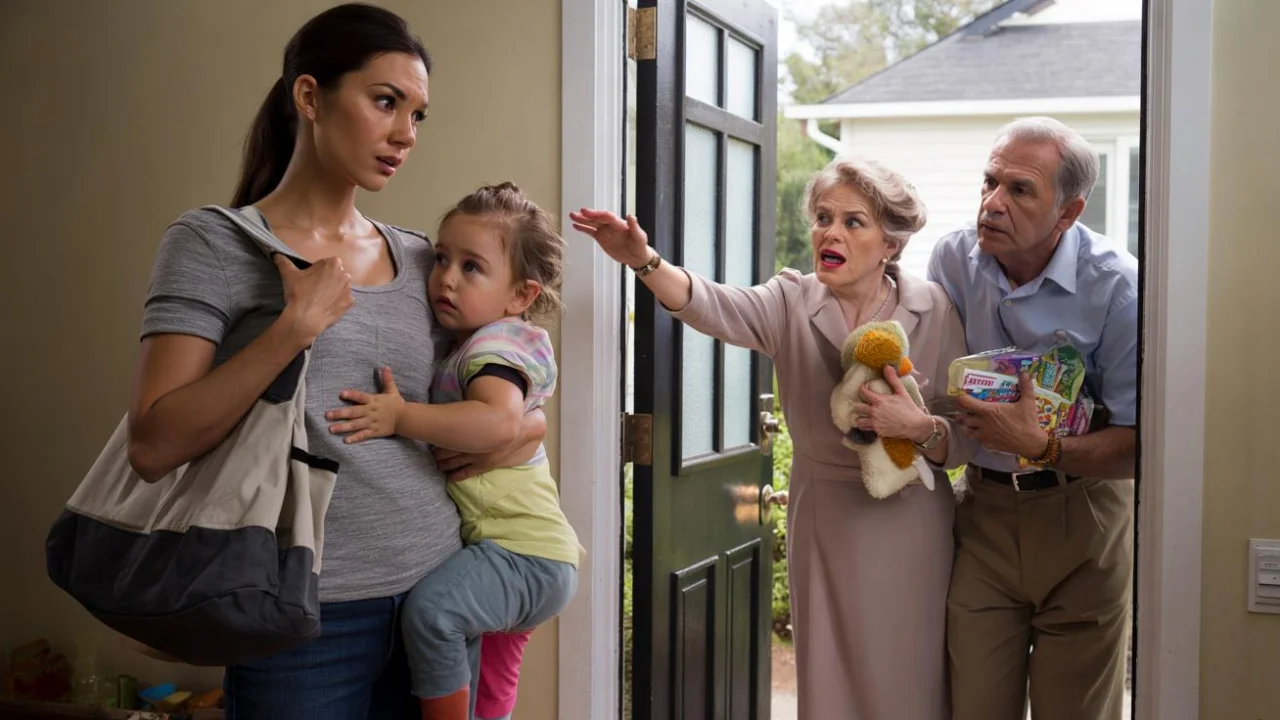
Sarah stared at her phone, watching her toddler’s face light up on FaceTime as Grandpa showed off yet another new toy. “We went to the store after lunch,” her father-in-law announced proudly. “Little Emma picked out three things she just had to have.” Sarah’s stomach dropped. They’d talked about this. No impulse buying, no spoiling, no undermining the lessons she was trying to teach about patience and gratitude.
But there was Emma, clutching a glittery princess wand, chocolate still smeared on her cheek from the ice cream Sarah specifically said no to. “Mommy, look what Grandpa got me!” Emma squealed. Sarah forced a smile, feeling that familiar knot tighten in her chest.
When she hung up, Sarah realized something had shifted. The relief she used to feel dropping Emma off had been replaced by dread. The “free” childcare was costing her something much more valuable than money: her peace of mind and her authority as a parent.
When loving grandparents become boundary-crossing babysitters
Grandparent babysitting seems like the perfect solution. Who better to watch your children than the people who raised you? They’re free, they love your kids unconditionally, and they’re always eager to help. Yet for thousands of parents, this arrangement becomes a source of constant stress and family tension.
The problem isn’t malicious intent. Most grandparents genuinely want to help and spoil their grandchildren. But what feels like harmless fun to them can completely derail months of careful parenting work for you.
“I see this pattern constantly in my practice,” says family therapist Dr. Michelle Rodriguez. “Parents establish routines and rules, then send their kids to grandparents who view those boundaries as suggestions rather than requirements.”
The result? Children learn that rules change depending on who’s in charge. Bedtimes become negotiable. Healthy eating habits disappear. Behavioral progress gets undone in a single afternoon.
The hidden costs of “free” grandparent childcare
When grandparents regularly babysit, the complications extend far beyond ignored naptime schedules. Here are the most common issues parents face:
- Inconsistent discipline: Children receive mixed messages about acceptable behavior
- Undermined parental authority: Kids learn they can appeal to grandparents to override parent decisions
- Guilt and manipulation: “We never see them enough” becomes emotional blackmail
- Safety concerns: Outdated car seats, medications, or childproofing standards
- Nutritional chaos: Snacks, treats, and meals that contradict dietary restrictions or healthy habits
- Screen time battles: Hours of TV or tablets that parents are trying to limit
| Common Grandparent Babysitting Issues | Impact on Child | Impact on Parents |
|---|---|---|
| Ignoring bedtime routines | Sleep disruption, cranky behavior | Days of re-establishing sleep schedule |
| Overfeeding treats and sugar | Energy crashes, picky eating | Mealtime battles, nutritional concerns |
| Dismissing safety rules | Potential injuries, learned unsafe habits | Anxiety, need for constant supervision |
| Contradicting discipline methods | Confusion about boundaries | Loss of authority, behavioral regression |
Jennifer, a mother of two from Phoenix, experienced this firsthand. “My mom would promise she’d follow our rules, then text me pictures of my three-year-old eating cake for breakfast with the caption ‘just this once!'” she recalls. “Except it was never just once. My daughter started refusing to eat anything healthy at home because she knew Grandma would give her whatever she wanted.”
Why grandparents struggle with modern parenting boundaries
The generational divide in parenting approaches creates natural friction. Many grandparents raised their children with different safety standards, looser schedules, and more permissive attitudes toward treats and entertainment.
“They genuinely believe they’re being loving grandparents,” explains child development expert Dr. James Patterson. “But they don’t understand that consistency is crucial for young children’s development and security.”
Grandparents often view their role as the “fun” caregivers, not the disciplinarians. They want to create magical memories and special bonds. Unfortunately, this well-meaning approach can create chaos for parents trying to maintain structure and teach important life skills.
The emotional manipulation, whether intentional or not, adds another layer of complexity. Phrases like “we raised four children just fine” or “you’re being too strict” make parents question their own judgment while feeling guilty for setting boundaries.
When to draw the line with grandparent babysitting
Some warning signs indicate it’s time to reconsider regular grandparent babysitting arrangements:
- Your child consistently comes home overstimulated, overtired, or upset
- Behavioral progress regularly gets undone after grandparent visits
- You spend more time re-establishing routines than the visits last
- Grandparents openly dismiss or mock your parenting choices
- Safety rules are repeatedly ignored despite multiple conversations
- You dread pickup time because of the inevitable conflicts
Maria from Denver reached her breaking point when her father-in-law drove her five-year-old to school without a booster seat. “I’d explained car seat laws to him dozens of times,” she says. “When I confronted him, he said modern parents are paranoid and he drove his kids around with no seat belts. That’s when I realized this wasn’t about love anymore—it was about control.”
Sometimes the emotional cost outweighs the practical benefits. Parents report feeling anxious before every handoff, dreading the aftermath, and spending hours undoing damage to routines and rules.
Alternative solutions that preserve family relationships
Limiting grandparent babysitting doesn’t mean cutting them out entirely. Many families find healthier alternatives:
- Supervised visits: Grandparents spend time with grandchildren while parents are present
- Special occasion care: Limited babysitting for date nights or emergencies only
- Activity-based visits: Structured outings like zoo trips with clear start and end times
- Professional childcare: Investing in daycare or babysitters who follow your rules
“The goal isn’t to punish anyone,” notes family counselor Dr. Lisa Chen. “It’s to create an environment where everyone’s needs are respected and children receive consistent messages about expectations and boundaries.”
Some parents establish “grandparent agreements” that outline non-negotiable rules like car seat usage, emergency contacts, and dietary restrictions. Others opt for shorter, more frequent visits that reduce opportunities for major boundary violations.
The key is recognizing that your primary responsibility is to your children’s wellbeing and development, not to managing adult family members’ feelings about their grandparent role.
FAQs
How do I tell my parents I don’t want them babysitting anymore?
Focus on specific behaviors rather than personal attacks. Say something like, “I need to find childcare that can consistently follow our bedtime routine” instead of “you don’t listen to me.”
Will limiting grandparent babysitting damage our family relationships?
Healthy boundaries often strengthen relationships long-term by reducing resentment and conflict. Quality time together can improve when there’s less tension.
Is it selfish to pay for childcare when grandparents offer free help?
Professional childcare that follows your rules and supports your parenting goals isn’t selfish—it’s an investment in your child’s development and your family’s harmony.
What if grandparents threaten to cut contact if I set boundaries?
This type of emotional manipulation confirms that boundaries are necessary. Children benefit from relationships with adults who respect their parents’ authority.
Can grandparent babysitting work if we set clear rules?
It depends on the grandparents’ willingness to respect and follow those rules consistently. Some can adjust their approach, while others cannot or will not change.
How do I handle my child asking why they can’t stay with grandma and grandpa anymore?
Keep explanations age-appropriate and positive: “Grandma and Grandpa are for special visits now, and Miss Sarah takes care of you during the day so Mommy can work.”